
A painting can survive a Charleston move without damage when you wrap it correctly, protect the corners and glass, and keep it upright the entire trip. Skip these steps and even a short move across town can crack a frame, tear a canvas, or scratch a surface you can never fully restore.
Every moving season, homeowners across Charleston and the rest of South Carolina face the same worry when a painting needs to travel from one house to the next. A lamp or a kitchen chair can take a few bumps. A painting cannot. Packing artwork the right way takes a little extra time, but it protects a piece that often means more to you than its price tag. STOMO Mobile Storage and MOVEMO Moving Service see this concern often, and this guide walks through every step, from gathering supplies to loading the truck, so your paintings arrive in the same shape they left in.
Packing Supplies You’ll Need
Good packing starts before you even touch the painting. Gather acid-free packing paper, painter’s tape, a utility knife, a marker, and a soft cloth in advance, and skip masking or duct tape near the artwork since it can pull off paint or varnish when removed. Add glassine paper for the surface, bubble wrap for cushioning, and foam corner protectors to shield the frame’s most vulnerable spots.
Choose a specialty picture box that fits your painting snugly, since a loose fit lets it shift and a tight fit puts pressure on the frame. For valuable or antique pieces, add foam board inserts, a wooden shipping crate, or moisture-absorbing packets for extra protection and peace of mind.
Prepare Your Painting Before Packing
A little prep work now saves a lot of stress later, especially if something does go wrong during transit. These few steps take only a few extra minutes, but they build a paper trail and a clean surface that protects you if a problem comes up after the move.
Inspect the Painting for Existing Damage
Walk around the painting slowly in good, bright light, ideally near a window or under a strong lamp rather than dim room lighting. Look closely at the frame joints, the corners, and the surface of the paint itself for cracks, chips, small dents, or peeling. Run a finger lightly along the frame edges if you are unsure whether a mark is a scratch or just dust.
Write down anything you find, even something minor like a hairline crack in the frame finish. This record matters more than people expect. If a mover or helper later claims a mark happened during the move, your notes and photos show it was already there. Skipping this step is one of the most common reasons a damage claim gets denied or delayed.
Photograph the Artwork for Documentation
Take clear, well lit photos from the front, the back, and each of the four corners before you wrap anything. Get close enough that small details like the frame finish or canvas edge are visible, not just a wide shot of the whole piece. If the painting already has a flaw you noted in your inspection, take an extra close up photo of that spot specifically.
Save these photos somewhere other than just your phone’s camera roll. Email them to yourself, upload them to cloud storage, or text them to another family member. Phones get packed into moving boxes too, and the last thing you want is your only proof of condition sitting inside a box you cannot easily reach.
Remove Hanging Hardware
Take off any wire, D-rings, hooks, or sawtooth hangers attached to the back of the frame before you start wrapping. This hardware often has sharp edges or points that can scratch the canvas, poke through wrapping paper, or catch on bubble wrap as you work, forcing you to unwrap and start over.
Removing hardware also keeps the back of the frame flat and even, which makes it easier to wrap cleanly and helps the painting sit properly inside a picture box. Place any screws, hooks, or wire in a small labeled bag and tape it to the back of the painting or keep it with your other moving hardware so you are not searching for it when it is time to hang the piece again.
Clean the Painting Carefully
Gently dust the frame and the painted surface using a soft, dry cloth or a soft bristle brush, working in one direction rather than scrubbing back and forth. This removes loose dust and debris that could otherwise get pressed into the paint or trapped under the wrapping paper during transit.
Avoid water, glass cleaner, or any cleaning spray, even on the frame. These products can react with old varnish, dull a finish, or leave streaks that are difficult to fix later. A move is not the right time to test a new cleaning product on a piece you cannot easily replace. If a painting looks like it needs deeper cleaning, that is a job for a professional art conservator, not a quick fix before moving day.
How to Pack a Framed Painting for Moving
Framed paintings need extra care at the corners and glass, since these areas break the easiest. Start by taping the glass in an X pattern to hold pieces together if it cracks, then slide foam corner protectors onto all four corners of the frame. Lay the painting face down on clean packing paper, wrap it fully, and secure the paper with tape that only touches the paper, never the frame or glass. Add a full layer of bubble wrap over the paper, bubble side facing in, and tape the seams so it stays in place.
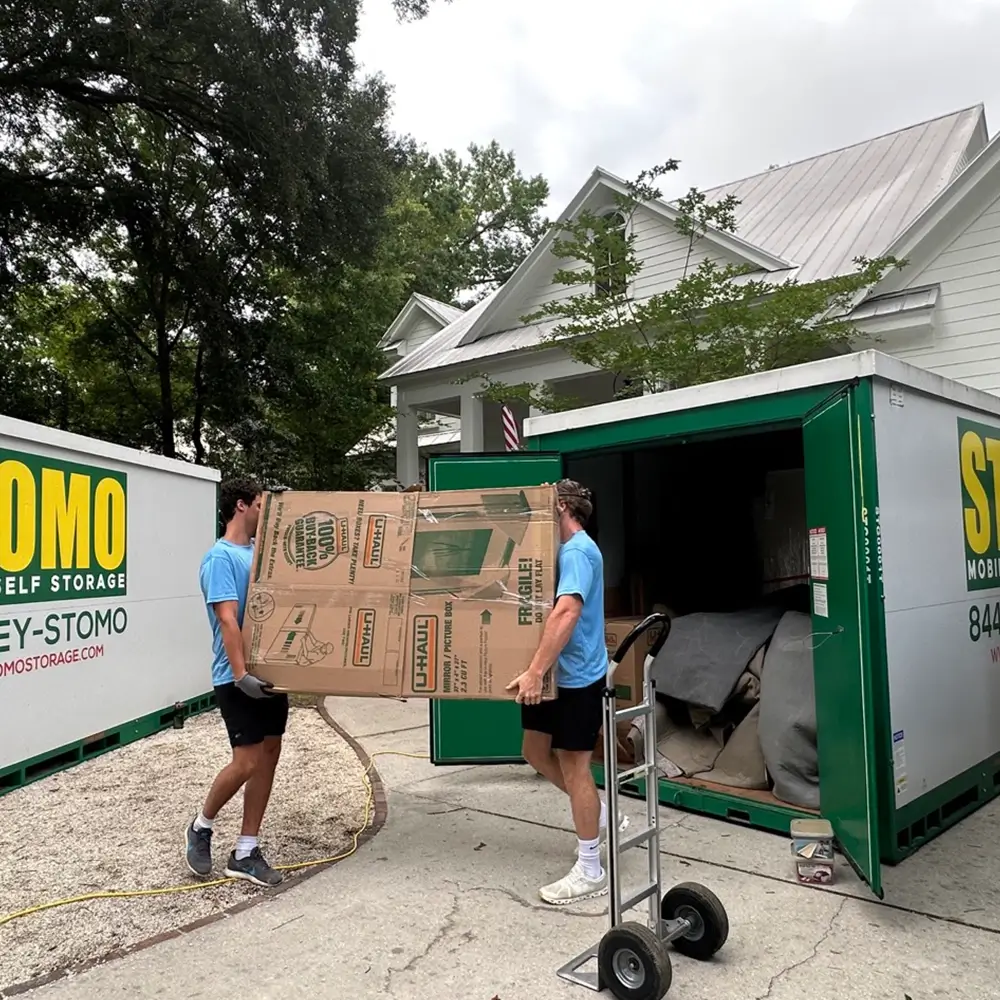
Set the wrapped painting upright inside a properly sized picture box and fill any gaps with paper or foam so it cannot shift. Seal the box completely and label it “Fragile,” “Artwork,” and “This Side Up” on every side, so movers and helpers see it no matter how the box gets carried.
How to Pack an Unframed Canvas Painting
Canvas without a frame needs a gentler approach, since the surface has no border to absorb bumps. Cover the painted surface with a sheet of glassine paper first, keeping paint and varnish from sticking to anything else during the move. Wrap the canvas in packing paper, then add a full layer of bubble wrap, avoiding direct pressure against wet or fresh paint. Add extra bubble wrap or foam strips along the edges and corners of the stretcher bars, since these bend and warp easily under pressure.
Place the wrapped canvas upright in a snug box, or between two pieces of cardboard cut to size and taped together for a simple, sturdy sandwich around the piece. Either method keeps the canvas supported and protected during loading, transport, and unloading.
How to Pack Large or Oversized Paintings
Large paintings need more planning, more materials, and often an extra set of hands. Use adjustable mirror boxes, which come in telescoping sizes that slide together to match the exact dimensions of your piece. Reinforce large frames with extra corner protection, since they flex more under their own weight, and consider taping a support board to the back of the frame for added stability.
Oversized paintings often need two people to lift and carry safely, and rushing this step is where most damage happens. Never lean a large painting against a wall or truck side without padding underneath and around it, since even a short lean without support can crack a frame or dent a corner.
Loading Paintings Into the Moving Truck
How you load the truck matters just as much as how you wrap the painting. A painting that is perfectly wrapped can still end up damaged if it gets loaded carelessly, stacked wrong, or left in the wrong spot for a long drive. Think through the loading order before the truck arrives so you are not making decisions on the spot while everyone else is waiting.
Keep Paintings Upright
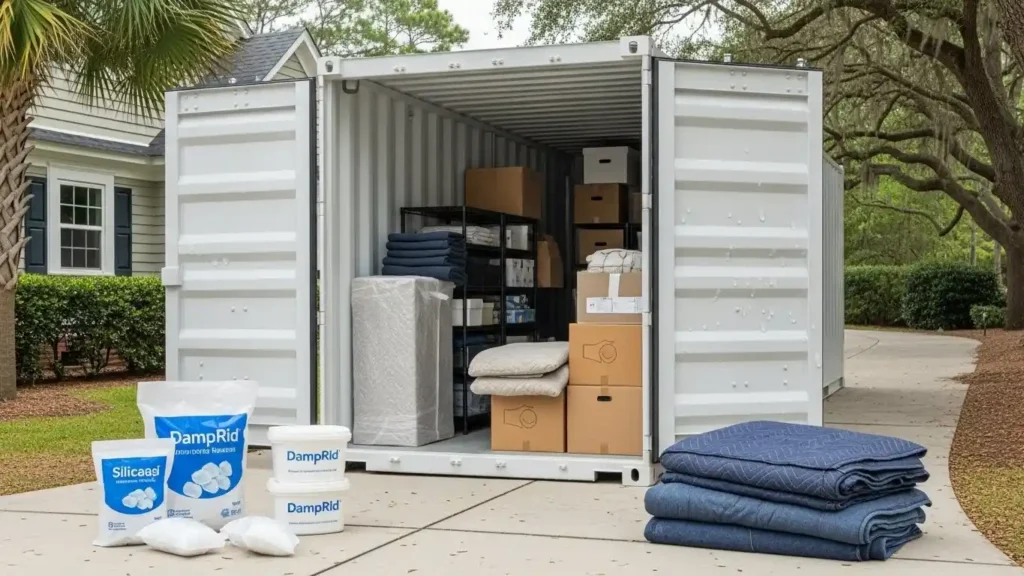
Always transport paintings upright on their edge, never flat. Storing them flat puts pressure on the center of the piece, and that pressure builds the longer the drive lasts, especially over bumpy roads or long distances. This increases the risk of warping, cracking, or the canvas separating slightly from the frame, damage that is not always obvious until you unwrap the piece at the other end.
If you have several paintings, load them upright side by side, similar to how records or dinner plates get stored, rather than laying one on top of another.
Prevent Sliding During Transit
Secure paintings between padded items, such as mattresses, furniture pads, or soft luggage, to minimize movement once the truck starts moving. A painting with nothing around it will slide with every turn and stop, and repeated small impacts add up over a long trip even if no single bump seems serious.
Use straps or rope anchored to the truck wall to keep paintings upright and prevent tipping during sharp turns or sudden braking. Check the straps once or twice during a long drive if you get the chance, since normal road vibration can loosen them over time.
Avoid Heavy Items on Top
Never stack boxes or heavy furniture on top of a painting, even one that is securely wrapped. Bubble wrap and packing paper cushion against bumps and light contact, but they are not designed to support sustained weight. The pressure can crack the glass, dent the frame, or press through the layers and damage the canvas underneath, and this kind of damage often goes unnoticed until the painting is unwrapped.
As a general rule, load paintings in a spot where nothing else needs to sit on top of or lean against them for the entire trip.
Maintain Proper Temperature
Extreme heat inside a closed moving truck can soften paint, warp wooden frames, and damage canvas, and this happens faster than most people expect, especially in a South Carolina summer when a truck bed can heat up in under an hour. High heat can also cause condensation to form once the truck cools down again, which adds a moisture risk on top of the heat itself.
Load paintings last whenever possible so they spend less time sitting in a hot, closed truck before the drive begins, and unload them as early as you can once you arrive, rather than leaving them for last.
Common Mistakes to Avoid When Packing Paintings
A few small errors cause most of the damage that happens during a move. Watch for these.
Using Newspaper Directly on Artwork
Never wrap paintings with newspaper, as the ink can transfer to paint or varnish, especially in humid conditions. Always use acid-free packing paper or glassine paper to protect the artwork safely.
Wrapping Too Tightly
Wrapping the painting too tightly can put pressure on the canvas or frame, causing dents or warping. Wrap it securely, but avoid pulling the material too tight.
Packing Multiple Paintings Together
Packing multiple paintings in the same box increases the risk of scratches, even with padding between them. Whenever possible, pack each painting in its own box.
Laying Paintings Flat
Storing paintings flat during transit puts pressure on the center and increases the risk of warping as the truck moves and vibrates.
Choosing the Wrong Box Size
Use a box that fits the painting properly. A box that’s too large allows the artwork to shift, while one that’s too small can put pressure on the frame or canvas.
Should You Hire Professional Art Movers?
Some paintings are worth the extra cost of professional handling. Smaller, less valuable pieces in good condition are usually safe to pack and move yourself, as long as you follow the steps above closely. Antiques, heirlooms, large canvases, and anything with real financial or sentimental value deserve professional handling, since trained movers know how to handle unusual shapes and fragile materials that are easy to damage without the right experience.
Before the move, check whether your homeowner’s policy covers artwork in transit. Many policies set low limits for fine art, so a separate rider may be worth adding if you are moving something valuable. Weighing the cost of professional movers against the cost of a repair, restoration, or permanent loss usually makes the decision easy.
Storage Tips If You’re Not Moving Immediately
Sometimes a painting needs to sit in storage before it reaches its new home. Here is what to keep in mind for each part of the storage process.
| Storage Concern | Why It Matters | What To Do |
| Climate control | Charleston humidity can warp frames and damage canvas over time | Choose a climate-controlled storage unit with steady temperature and moisture levels |
| Humidity control | Long storage periods or humid months raise moisture risk | Add moisture-absorbing packets inside the storage unit |
| Wall placement | Exterior walls tend to hold more moisture than interior walls | Avoid placing paintings directly against exterior walls |
| Storage position | Flat storage puts pressure on the center of the piece over time | Store paintings upright, never flat |
| Surface contact | Leaning directly on a hard surface risks dents and scratches | Always use padding between the painting and any hard surface |
| Multiple paintings | Paintings stored close together can scratch each other | Use a padded divider between each piece |
| Long-term storage | Moisture, pests, or shifting can go unnoticed over time | Check on stored paintings periodically during long storage periods |
Expert Tips to Keep Your Paintings Safe During a Move
Packing your artwork correctly is only part of the process. Keep these tips in mind during loading, transport, and unpacking:
- Wash your hands or wear clean gloves before handling artwork, since oils and dirt from your hands can transfer to the frame or canvas edge
- Avoid moving a painting straight from a cold house into a hot truck, or the other way around, and let it adjust gradually to temperature changes when possible
- For long-distance moves, check on the load when you can and make sure straps or padding have not shifted along the way
- Unwrap paintings carefully once you arrive and compare them against the photos you took before the move
- Report any damage to your moving company right away, since most claims have a limited reporting window
- Keep paintings away from direct sunlight or heat vents once unpacked, especially if they sit unhung for a few days after the move
- Rehang or re-store paintings as soon as possible rather than leaving them leaned against a wall or floor for an extended period
Need Help With Your Charleston Move?
Packing a painting takes care, and so does everything else in your home. If you are planning a move in Charleston, North Charleston, Mount Pleasant, Summerville, or anywhere else in South Carolina, STOMO Mobile Storage and MOVEMO Moving Service can help protect your artwork and belongings from start to finish.
As a local, family owned company, we handle packouts, moves, and portable storage with the same care we would give our own things. Whether you need help packing fragile items, a secure storage container delivered to your door, or a full moving crew for the day, our team is ready. Contact us today or request a free quote, and let us take the stress out of your next move.
Conclusion
Packing a painting takes a little patience, but the process is straightforward when you follow the right steps. Protect the surface, secure the frame or canvas, use a properly sized box, and always transport the painting upright to reduce the risk of damage.
Taking a little extra care during packing and moving can help preserve your artwork for years to come. Whether you’re moving a cherished family piece or a valuable painting, careful preparation is the best way to ensure it arrives safely at its destination.
Frequently Asked Questions
How do you pack a painting for moving?
Wrap the painting in acid free paper, add a full layer of bubble wrap, and place it inside a properly sized picture box that fits snugly without extra room to shift. Keep it upright during loading and transit, and label the box clearly as fragile artwork so anyone handling it knows to take extra care.
Can bubble wrap touch a painting?
Bubble wrap should never touch the painted surface directly, since the texture can press into soft paint or varnish, especially during a long trip or in warm temperatures. Always place a layer of glassine or acid free paper between the paint and the bubble wrap to keep the surface protected.
Should paintings be transported flat or upright?
Paintings should always travel upright, never flat. Flat transport puts pressure on the center of the piece, and that pressure builds the longer the drive lasts, raising the risk of warping, cracking, or the canvas pulling away from the frame slightly.
How do you pack a large canvas painting?
Use an adjustable mirror box sized to match your canvas, since these telescoping boxes can be resized to fit oversized pieces snugly. Reinforce the edges and stretcher bars with extra padding, since these areas flex and warp easily under pressure, and get a second person to help lift and load the piece safely.
What’s the best box for moving paintings?
A specialty picture box with adjustable panels works best, since it gives the painting a snug, custom fit and keeps it from shifting during the move. Avoid a generic moving box that is too large, since extra space inside the box allows the painting to slide and take on impact during transport.
About The Author