
Choosing the right size container for your move depends on the amount of furniture, boxes, appliances, and bulky items you’re transporting, not just the number of bedrooms in your home. A container that’s too small can leave you scrambling for extra space or another rental, while one that’s too large may cost more than necessary. Taking inventory before you book helps you select a container that fits your belongings efficiently and keeps your move on schedule.
Whether you’re moving from a small apartment, a multi-bedroom home, or storing belongings during a renovation, knowing how to estimate your storage needs makes the process much easier. If you’re planning a move in North Charleston or the surrounding areas, choosing the right container size from the start can save both time and money. In this guide, you’ll learn how to evaluate your inventory, compare different container sizes, avoid common sizing mistakes, and choose the right portable storage container for a smoother, more cost-effective move.
Why Container Size Matters More Than You Think
Picking a container size is not just about fitting your belongings inside a box. It affects your budget, your timeline, and how smoothly the entire move goes. A container that is too large means paying more than necessary. A container that is too small can force you to rent a second unit on short notice, which adds cost and delay you did not plan for. The right size also makes packing safer. When items fit properly, they stack more securely and shift less during transport, which lowers the risk of damage and makes unloading far easier at the other end.
There is also a scheduling factor most people do not think about until it becomes a problem. If you underestimate your size and need a second container, you may have to wait for delivery, which can push back your entire timeline. If you are working around a lease end date, a closing date, or a contractor’s schedule, that kind of delay can create a ripple effect across the whole move. Taking a few extra minutes to estimate correctly up front avoids that entirely.
STOMO Container Sizes at a Glance
STOMO Mobile Storage offers four container sizes, so most moves and storage projects can find a fit without paying for extra space.
8×8 Container
The 8×8 is the smallest option and works well for studio apartments or very small storage needs. It holds a modest amount of furniture along with a reasonable number of boxes, making it a good fit for single-room cleanouts or light decluttering projects.
8×12 Container
The 8×12 suits one-bedroom apartments or partial moves. It has enough room for a bedroom set, a few larger furniture pieces, and a moderate number of boxes, which makes it a popular choice for smaller households or a single room being renovated.
8×16 Container
The 8×16 is STOMO’s most popular size. It holds the contents of roughly a 20-foot moving van, which makes it ideal for apartments, condos, and two to three bedroom homes. Most households find this size gives them enough breathing room without paying for space they will not use.
8×20 Container
The 8×20 is the largest option, built for full home relocations and larger renovation projects. It holds the contents of about a 24-foot moving van, which covers three to four bedroom homes comfortably, along with garage items and larger furniture.
All four sizes sit at ground level with no ramps required, and each rents month to month with no long-term contract. That means you are never locked into a size for longer than you actually need it, and adjusting your rental period as your timeline shifts is straightforward.
If you are still unsure which of the four fits your situation, it helps to think in terms of moving van comparisons. The 8×16 and 8×20 sizes are described in terms of standard moving van capacity for a reason. If you already have a sense of what size truck your move would typically require, that comparison can point you toward the matching container size fairly quickly.
How to Estimate What You Actually Need
Instead of guessing based on your home’s bedroom count alone, walk through these steps to get a more accurate picture.
Start with a room-by-room inventory. Go through each room and jot down the large items you plan to move, along with a rough count of boxes. This gives you a realistic baseline rather than a rough guess.
Count your bulky furniture. Items like sectional sofas, dining tables, dressers, and entertainment centers take up far more space than boxes do. A home with a lot of large furniture may need a size up from what the bedroom count alone suggests.
Don’t forget appliances. Refrigerators, washers, dryers, and freezers are often overlooked until moving day. If any of these are part of your move, factor them into your size decision early.
Estimate your boxes. Box count adds up quickly, especially in kitchens, closets, and storage areas. A higher box count can shift you toward a larger container even if your furniture list is modest.
Consider your loading style. If you want to walk inside the container to arrange items as you go, a slightly larger size makes that easier. If you are stacking carefully and maximizing every inch, you may be able to work with a smaller option.
When in doubt, size up. Overpacking a smaller container increases the risk of damage and makes loading more difficult. A little extra room costs less in the long run than dealing with a squeezed, unsafe load.
Working through these six steps together, rather than relying on any single one, gives you a far more reliable estimate than guessing based on square footage alone. Two homes with the same number of bedrooms can need very different container sizes depending on how much furniture, boxes, and appliances are actually involved.
Common Situations and Which Size Fits
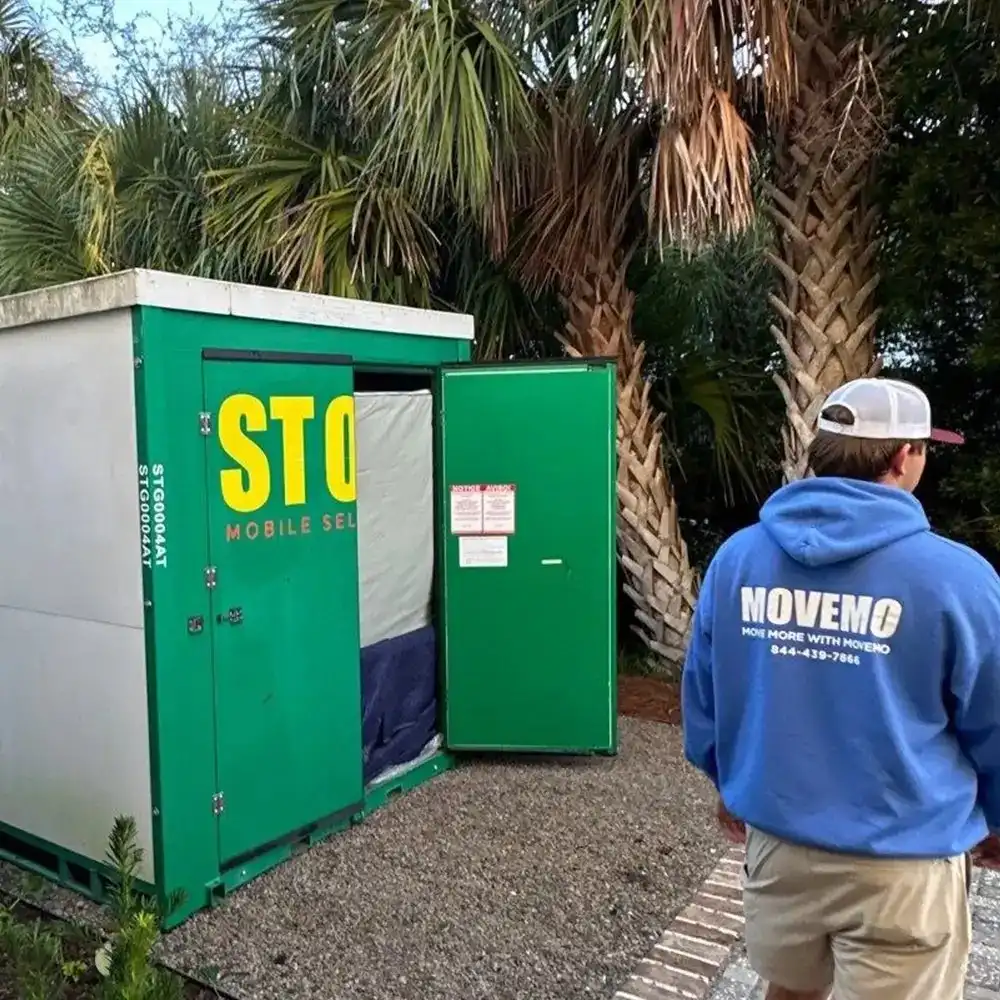
Apartment move. A studio or one-bedroom apartment typically fits well in an 8×8 or 8×12, depending on furniture and box count.
Full home move. A three to four bedroom home usually calls for the 8×20, especially if it includes a garage or larger furniture pieces.
Renovation project. If you are clearing out a kitchen, bathroom, or single room during a renovation, an 8×12 or 8×16 often provides enough space without overpaying.
Contractor or job site storage. Tools, materials, and equipment for a job site tend to fit well in an 8×12 or 8×16, depending on the scope of the project.
Storm or hurricane preparation. Protecting furniture and valuables ahead of a storm depends on how much needs to be stored. Weather-resistant construction keeps items safe regardless of size, so choose based on volume rather than the occasion.
Downsizing or estate cleanout. Moving from a larger home into a smaller space often means storing furniture and belongings temporarily while you sort through what to keep. An 8×16 or 8×20 usually gives enough room to hold items until decisions are made, without rushing the process.
Real estate staging. Homeowners preparing to list their property often need to clear out excess furniture to make rooms look larger and more appealing to buyers. An 8×12 or 8×16 typically covers the items being cleared for showings, and the container can stay on site or be moved off property depending on what works best.
Tips to Maximize Container Space
A little planning before loading day can help your items fit more efficiently, even in a smaller container.
- Declutter before packing. Donate, sell, or recycle items you no longer need. Fewer items mean less space required overall.
- Disassemble large furniture. Bed frames, tables, and shelving units take up far less room when broken down into flat pieces.
- Use uniform box sizes. Matching box sizes stack more securely and leave fewer wasted gaps.
- Pack heavy items first. Placing heavier boxes and furniture at the bottom creates a more stable, space-efficient load.
- Avoid empty spaces. Fill gaps between larger items with smaller boxes or soft goods like linens and pillows to make full use of every inch.
Mistakes to Avoid When Choosing a Size
- Only counting bedrooms. Bedroom count is a helpful starting point, but it ignores garages, basements, and closets that often hold more than people expect.
- Forgetting garage and basement items. Tools, seasonal gear, and storage bins in these areas are easy to overlook until loading day arrives.
- Ignoring seasonal storage. Holiday decorations, sports equipment, and off-season clothing add up quickly and should be factored into your estimate.
- Waiting until moving day. Deciding on a size at the last minute leaves no room to adjust if you underestimated. Planning ahead gives you time to make changes before delivery.
- Not asking for professional advice. Storage providers see moves of every size and can often help you land on the right choice faster than guessing alone.
- Not checking delivery space. A container needs enough clearance on your driveway or property for both delivery and pickup. Measuring available space ahead of time avoids a scheduling headache on the day the container arrives.
Why a Portable Container Makes Sizing Easier
Unlike a traditional storage facility, a portable container is delivered directly to your home, which takes some of the pressure off getting the size exactly right on the first try. You can see how your items fit in real time as you load, rather than committing to a facility unit sight unseen.
Ground-level delivery with no ramps also makes the process simpler physically, since there is less strain involved in adjusting your load. And because sizing questions can be discussed before delivery, there is room to change your mind if your initial estimate does not match your actual needs.
This flexibility matters most when your timeline is not entirely in your control. Renovation delays, closing date changes, and weather all have a way of shifting plans at the last minute. A portable container adapts to those changes far more easily than a fixed appointment at a storage facility, since your rental period simply adjusts along with your situation rather than requiring a new booking altogether.
Still unsure which container size is right for your move?
Choosing the right portable storage container can make your move easier, more organized, and more cost-effective. Whether you’re moving from a small apartment, relocating a family home, or need temporary storage during a renovation, STOMO Mobile Storage can help you find the right container for your needs. If you’re looking for a reliable portable storage container, STOMO offers convenient, secure, and flexible storage solutions designed to fit moves of all sizes. Contact us today for a free estimate and let our team help you get started.
Conclusion
Choosing the right container size comes down to a few key factors: the size of your home, the amount of furniture and appliances you own, and how many boxes you expect to pack. Taking the time to walk through a room-by-room inventory before moving day saves both money and stress later on. If you are still unsure which size fits your specific move, STOMO’s team can help you figure it out based on your home and timeline. A quick conversation before delivery day can make the entire process smoother from start to finish.
Frequently Asked Questions
What happens if my container is too small?
If your container fills up before all your items are packed, you may need to arrange for a second container or find another storage solution for the overflow. This is why it helps to size up slightly when your estimate is close to a size boundary.
Can I fit a three-bedroom home into one container?
In most cases, yes. A three-bedroom home with an average amount of furniture typically fits into an 8×20 container, though homes with a lot of large furniture or garage items may need extra planning.
How do I estimate how many boxes I’ll have?
Walk through each room and count how many boxes you expect from closets, kitchen items, and shelving. As a rough guide, a small room usually produces ten to fifteen boxes, while a larger room with more storage can produce twenty or more.
Can I keep the container for storage after moving?
Yes. Since rentals run month to month with no long-term contract, you can keep your container as long as you need it, whether that is a few weeks or several months.
What items take up the most space in a moving container?
Large furniture like sectional sofas, dressers, and dining sets tend to take up the most room, followed closely by appliances such as refrigerators and washers.
Should I rent one larger container or two smaller ones?
For most residential moves, one properly sized container is simpler to manage and more cost effective than splitting your belongings across two smaller units. Two containers usually make more sense for large households, business relocations, or projects where storage and moving needs are being handled separately.
About The Author