
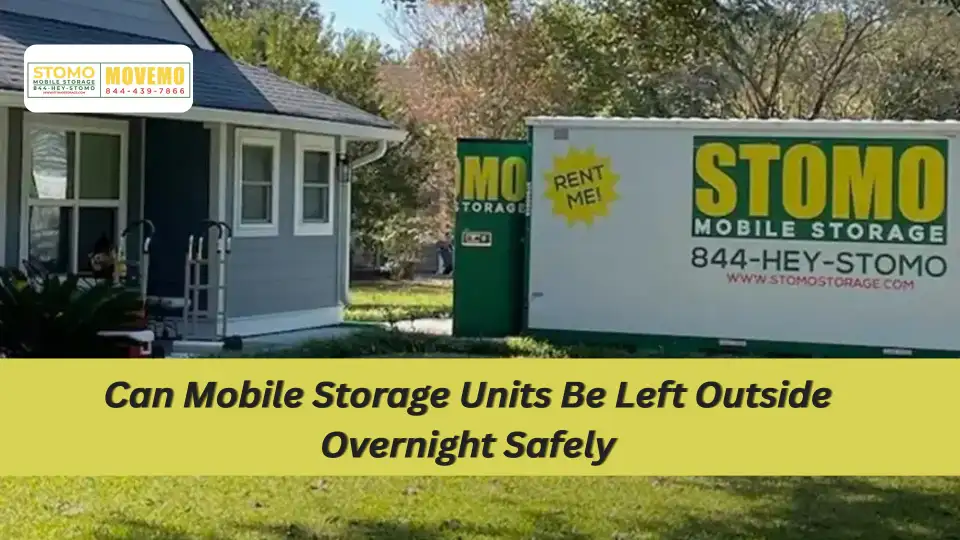
Leaving a mobile storage unit outside overnight is a common concern for homeowners in Charleston who are in the middle of a move, renovation, or temporary storage project. With valuables packed inside and coastal weather conditions often unpredictable, it’s natural to question whether these units are truly secure when left outdoors. The good news is that modern mobile storage containers are specifically designed for outdoor use, but safety still depends on a few important factors that many people overlook.
How Mobile Storage Units Are Designed for Outdoor Use
Before worrying about overnight safety, it helps to understand how portable storage containers are engineered. These aren’t garden sheds or plastic bins, they’re purpose-built for outdoor residential and commercial use.
Weather-Resistant Construction and Materials
Most mobile storage units from established providers are constructed with heavy-duty steel frames, corrugated steel walls, and reinforced roofing. Steel is inherently resistant to rain, wind, and UV exposure, making it well-suited for extended outdoor placement. Some units incorporate aluminum components to reduce weight while maintaining structural rigidity.
The flooring inside is typically made from treated hardwood or composite materials that resist moisture absorption, keeping your belongings off a potentially damp surface. The entire shell is engineered to handle the mechanical stresses of being lifted, transported, and set down on uneven terrain which means it can certainly handle an overnight stay on your driveway.
How Sealing Systems Protect Against Rain, Dust, and Humidity
The door seals and perimeter gaskets on a quality mobile storage unit are what stand between your belongings and the elements. Rubber or foam weatherstripping lines the door frames to prevent water ingress, and the overlapping door panels create a barrier against wind-driven rain.
Roof drainage is also engineered carefully; most containers feature a slight slope or channel system that directs rainwater away from the door and walls rather than pooling on top. That said, no outdoor container is 100% hermetically sealed. Humidity can still build up inside over time, which is why proper packing (more on that below) matters as much as the unit’s construction.
Built-In Security Features for Outdoor Placement
Modern mobile storage containers come with lockable hasp systems, reinforced door hinges, and in many cases, steel door bars that make it extremely difficult to force entry. The door mechanisms are designed to accept high-security padlocks, and some units have concealed hinge pins that prevent removal even if someone tries to attack the door from the hinge side. Providers build their containers with these security features as standard, recognizing that units will routinely be left on residential driveways without direct supervision.
Is It Safe to Leave a Mobile Storage Unit Outside Overnight?
For the vast majority of situations a quiet suburban neighborhood, decent weather, a standard driveway, and a quality lock leaving a mobile storage unit outside overnight is perfectly safe. These containers are specifically designed for this scenario. Millions of homeowners leave them on their properties for days, weeks, and even months without incident.
What Conditions Make It Safe or Unsafe
Safe conditions include a flat, paved, or firm surface, a well-lit and visible location, mild to moderate weather, a high-quality lock, and a unit from a reputable provider. When all of these factors are in place, overnight outdoor storage presents minimal risk.
Unsafe conditions involve severe weather forecasts (especially storms, heavy winds, or flooding), high-crime areas with poor overnight visibility, unstable or waterlogged ground, and units left for extended periods without inspection. In these scenarios, the risk level increases and you may need to take additional precautions or contact your provider about moving the unit to a secure indoor facility.
Why Most Companies Design Units for Extended Outdoor Use
Portable storage companies operate on a business model that requires containers to sit on customer properties sometimes for several weeks. They couldn’t sustain that model if their units weren’t capable of handling outdoor conditions. This commercial reality has driven providers to invest significantly in weatherproofing, structural integrity, and security design. When you rent from an established company, you’re getting a container that has been tested and refined for exactly this purpose.
Factors That Affect Overnight Storage Safety
Not every overnight situation is the same. Here are the key variables to assess before leaving your unit outside.
Weather Conditions (Rain, Storms, Humidity, Hurricanes)
Light rain and everyday humidity are no match for a quality mobile storage container. However, severe weather is a different matter. High winds can shift a container that isn’t properly seated on a stable surface. Heavy flooding can swamp even a well-sealed unit. And hurricanes or tornadoes present an obvious danger to any outdoor structure. If you’re in a region prone to severe weather events, check the forecast regularly and have a contingency plan in place. Most providers will arrange early pickup or relocation to an indoor facility if dangerous weather is approaching.
Ground Placement and Surface Stability
Where you place your unit matters just as much as the weather. A concrete or asphalt driveway is ideal because it provides a flat, stable, load-bearing surface. Soft ground, grass, gravel, or freshly poured concrete can all cause problems. Soft surfaces can shift under the weight of the container, especially after rain, causing the unit to tilt or sink. This not only damages the ground but can also cause items inside to shift or fall. If your only option is an imperfect surface, ask your provider about leveling equipment or placement alternatives before delivery.
Security Risks (Neighborhood, Visibility, Locks)
A container sitting in a well-lit driveway in a low-crime area, secured with a quality disc lock, is a very unattractive target for thieves. However, a unit left on a poorly lit street or in an area with higher crime rates faces greater risk. Visibility works in your favor: a container that can be easily seen from your home or a main road is less likely to be tampered with. The lock you choose makes a significant difference. The standard padlock that many people reach for is not ideal; it can be cut with bolt cutters in seconds. A hardened disc lock or shrouded padlock is far more resistant.
Duration of Outdoor Storage
One overnight stay is very different from leaving a container outside for two months. For short durations, outdoor storage carries minimal risk. For longer periods, moisture accumulation inside the unit becomes a real concern, even with good seals. Temperature fluctuations cause condensation, which can damage wood furniture, paper documents, fabric, and electronics over time. If you’re storing for more than a few weeks, consider either packing items in airtight containers or asking your provider about indoor climate-controlled storage.
How to Keep Your Mobile Storage Unit Safe Overnight
A few simple steps can dramatically reduce the risks associated with leaving your unit outside.
Choose a Secure, Well-Lit Location
Place the unit as close to your home as practical, ideally where it’s visible from a window. Driveway placement near a porch or exterior light is ideal. If you have a motion-activated security light, position the unit within its detection range. The goal is to make it obvious that the container is being monitored.
Use High-Quality Locks and Seals
Invest in a hardened disc lock or a shrouded padlock that doesn’t expose the shackle to bolt cutters. Some renters also add a secondary lock or security seal for extra peace of mind. Don’t rely on the basic padlock included with or recommended by the rental if you’re storing high-value items.
Avoid Low-Lying or Flood-Prone Areas
Even a small overnight rain event can send water flowing across a driveway. Don’t place your unit at the bottom of a slope, near a drain that frequently overflows, or in any area where water tends to collect. If your property has drainage issues, discuss placement with your provider before delivery.
Check Weather Forecasts Before Leaving It Outside
This is simple but often overlooked. Before leaving a freshly loaded container outside overnight, spend 30 seconds checking the local forecast. If a storm is coming, you can take precautions adding extra weatherstripping around the door, covering any vent gaps, or contacting your provider to arrange an early pickup.
When You Should NOT Leave a Storage Unit Outside Overnight
There are specific scenarios where outdoor overnight storage is not advisable, regardless of how well-built the container is.
During Severe Storms or Hurricanes
If your area is under a storm warning or hurricane watch, don’t leave your container outside. Contact your provider immediately most reputable companies have protocols for emergency pickups or will move containers to secure indoor facilities at short notice.
If the Area Has High Theft Risk
If you’re in an area with frequent vehicle break-ins, property theft, or vandalism, a mobile storage container however secure is still a risk. In these situations, consider having the unit stored at the provider’s facility and accessing it during staffed hours, or arrange for it to be on-site only during active loading and unloading.
If the Ground Is Unstable or Prone to Flooding
A container that tilts or sinks overnight can damage both the unit and its contents. If your ground conditions aren’t suitable, postpone delivery until you can prepare the placement area, or work with your provider to identify a better solution.
If Company Guidelines Restrict It
Always read the rental agreement. Some providers have specific conditions around overnight outdoor placement particularly relating to setback requirements, surface type, or maximum duration. Violating these terms can affect your insurance coverage and create liability issues if something goes wrong.
Mobile Storage vs Traditional Storage Units for Safety
Choosing between a mobile container and a traditional self-storage facility is partly a question of safety and partly one of convenience.
Security Differences Between Portable and Facility Storage
A traditional self-storage facility offers multiple layers of security: gated access with electronic keypads, 24/7 CCTV, on-site staff, individual unit alarms, and perimeter fencing. A mobile storage container on your driveway relies entirely on its own lock and whatever security your property provides. That said, facility storage isn’t flawless either break-ins and weather damage do occur. The key advantage of a facility is the layered security approach, which is harder to replicate on a residential driveway.
Convenience vs Controlled Environments
The biggest advantage of mobile storage is that it comes to you. You load it at your own pace without driving back and forth to a facility. For short-term use a renovation, a move, or a seasonal clearout this convenience typically outweighs the marginal security difference. For long-term storage of high-value or sensitive items, a climate-controlled indoor facility is the safer option.
Which Option Is Better for Short-Term Use
For anything under four to six weeks, mobile storage wins on practicality. The container is on your property, accessible whenever you need it, and the security risks are manageable with basic precautions. Beyond that window, particularly in climates with significant humidity or temperature swings, indoor storage becomes the better choice for the safety of your belongings.
Why Mobile Storage Is Still a Reliable Option
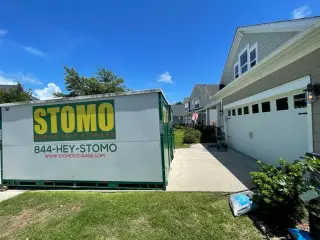
Despite the considerations above, mobile storage units remain one of the most practical and reliable solutions available for everyday storage needs.
Flexibility During Moving and Renovation Projects
The core appeal of mobile storage is flexibility. You can pack at your own pace, store it on-site during a renovation, and have it picked up when you’re ready. This eliminates the time pressure and multiple trips associated with traditional storage and rental trucks.
On-Demand Pickup Reduces Risk Exposure Time
One practical safety advantage of mobile storage is that the unit only needs to be on your property for as long as necessary. Once it’s loaded, you can have it picked up and moved to an indoor facility the same day if you prefer. This flexibility means you’re in control of how long the container sits outside which directly controls how long it’s exposed to weather and security risks.
Designed for Real-World Residential Use
Unlike shipping containers repurposed for storage, units from dedicated portable storage providers are specifically designed with residential use in mind. The dimensions fit standard driveways, the lift systems avoid damage to paved surfaces, and the security features are calibrated for unattended placement in typical neighborhoods. This purpose-built design is what makes mobile storage a genuinely reliable option not just a convenient one.
Expert Tips for First-Time Users
If this is your first time using a mobile storage container, a few practical strategies will help you get the most out of it while keeping your belongings safe.
How to Prepare Items for Overnight Storage
Pack items in sealed plastic bins rather than cardboard boxes wherever possible. Cardboard absorbs moisture and loses structural integrity when damp. For furniture, using breathable moving blankets rather than plastic wrap plastic can trap condensation and promote mold growth. Place moisture-absorbing packets (silica gel or desiccant packs) inside the unit, particularly if storing for more than a few days. Line the floor with wooden pallets or plastic sheeting if you’re concerned about ground moisture.
What to Avoid Placing in Outdoor Units
Regardless of how good the container is, certain items carry elevated risk when stored outdoors overnight: important documents, electronics, items made from natural wood that can warp, vinyl records, photographs, and anything with significant monetary or sentimental value. Either keep these indoors or store them in airtight waterproof containers if they must go in the unit.
How to Plan a Safe Loading Schedule
Try to do your loading during dry weather, ideally not immediately after rain when boxes and furniture may carry surface moisture. Complete loading before nightfall so you can close and lock the unit securely in good light. Do a final walkthrough before locking up, check that nothing is wedged against the door preventing a proper seal, and confirm the lock is fully engaged. If storing overnight before a move, do a quick visual check first thing in the morning to ensure everything is as you left it.
Ready to Book Your Mobile Storage Unit? Get a Free Quote
Not sure if mobile storage is the right fit for your move or how to safely set it up outside your home in Charleston? STOMO Storage makes the process simple with secure, weather-resistant portable storage units delivered right to your doorstep. Whether you need short-term storage during a renovation, extra space during a home project, or a flexible solution for an upcoming move, our team can help you choose the right unit, plan safe placement, and keep your belongings protected every step of the way. Get in touch with STOMO Storage today to find the safest and most convenient storage solution for your situation. Request a “Free Quote” today and take the next step toward a stress-free storage experience.
Conclusion
Mobile storage units are designed specifically for outdoor use, with durable steel construction, weather-resistant sealing, and secure locking systems that make them suitable for overnight placement in most normal conditions. However, safety ultimately depends on using common-sense precautions such as choosing a well-lit, stable location, using a strong lock, and avoiding extreme weather or high-risk areas. For most users, these steps make overnight outdoor storage completely reliable, while more sensitive situations may require additional protection or indoor storage alternatives. If you’re planning a move or considering mobile storage for the first time, getting expert guidance can help ensure you choose the right setup and keep your belongings secure from start to finish.
Frequently Asked Questions
Can rain damage items in a mobile storage unit overnight?
In most cases, no. Quality mobile storage containers are built with weatherproof seals and steel construction that keeps rain out effectively. However, if items are packed in cardboard boxes or moisture-sensitive materials, even minor humidity inside the container over time can cause damage. Packing in sealed plastic bins significantly reduces this risk.
Are portable storage units waterproof?
They are weather-resistant rather than fully waterproof. The distinction matters: they will handle normal rain and light weather conditions well, but prolonged exposure to extreme moisture or direct flooding is a different matter. For most overnight situations, the weather resistance is more than sufficient.
How secure are mobile storage containers at night?
With a quality hardened disc lock or shrouded padlock, mobile storage containers are reasonably secure. The steel construction and reinforced door mechanisms make forced entry difficult. Placing the unit in a visible, well-lit location further reduces risk. For maximum security, avoid leaving high-value items near the front of the unit.
Can I leave a PODS-style container on the street overnight?
This depends on local regulations. Most municipalities require portable storage containers to be placed on private property not on public streets or sidewalks. Some areas do allow temporary street placement with a permit. Check with your local council or HOA before delivery, and confirm placement requirements with your provider.
What happens if a storm hits while my storage unit is outside?
Contact your provider immediately if severe weather is forecast. Most reputable companies have emergency protocols for relocating containers to indoor facilities. If a storm arrives unexpectedly, the container’s steel construction will handle most of it but inspect the unit and its contents afterward for any signs of water ingress, shifting items, or damage to the seals.
About The Author