
The best place to store furniture during a home renovation is a self-storage unit, climate-controlled storage facility, portable storage container, or an unused room away from the work area. The best choice depends on your renovation size and the type of furniture being stored.
Keeping furniture in a construction zone in Charleston can expose it to dust, debris, paint, and accidental damage. Moving it to a safe storage location protects your belongings and gives contractors more space to work efficiently.
Why Furniture Should Be Removed Before Renovation Begins
Removing furniture before renovation work starts is one of the simplest ways to prevent damage and improve project efficiency.
Protect Furniture From Dust and Debris
Even small renovation projects create surprising amounts of dust. Drywall sanding, demolition, cutting materials, and construction traffic can spread fine particles throughout your home. Dust settles into upholstery, wood finishes, electronics, and decorative items. Covering furniture with plastic sheeting may help, but it rarely provides complete protection. Dust often finds its way underneath coverings, especially during long-term renovation projects.
Prevent Accidental Damage
Contractors frequently move tools, ladders, building materials, and equipment through work areas. Even experienced professionals can accidentally bump furniture while carrying heavy items. Scratches, dents, chipped finishes, torn upholstery, and broken glass are common risks when furniture remains near active construction zones.
Create More Workspace for Contractors
A clutter-free work area allows contractors to work faster and more efficiently. When furniture occupies valuable space, workers may need to spend extra time moving items around the room before completing tasks. Removing furniture helps streamline the renovation process and may even reduce labor costs by eliminating unnecessary obstacles.
Keep Your Home Safer During Construction
Renovation projects often involve exposed nails, sharp tools, electrical equipment, and construction materials. Furniture left in work areas can create additional tripping hazards and make navigation more difficult. Keeping rooms clear improves safety for contractors, homeowners, children, and pets throughout the renovation process.
What Happens If You Leave Furniture in the Renovation Area?
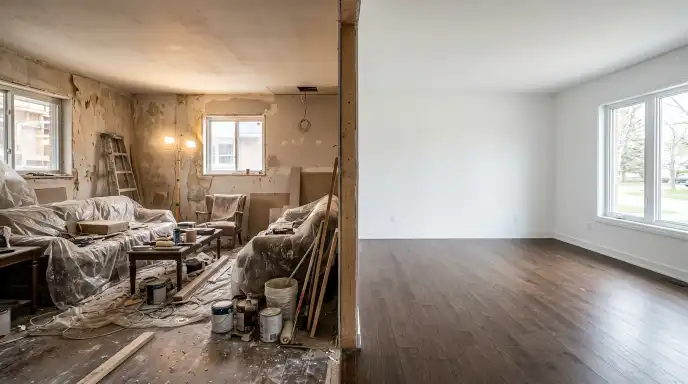
Some homeowners attempt to save money by leaving furniture in place and covering it with sheets or tarps. Unfortunately, this approach often leads to expensive problems.
Dust Can Damage Fabrics and Electronics
Construction dust doesn’t just settle on surfaces it can penetrate fabrics, clog electronic components, and become difficult to remove.
Upholstered furniture, mattresses, curtains, televisions, gaming systems, and computers are particularly vulnerable. Fine dust particles can permanently affect electronic performance and stain certain fabrics.
Paint and Construction Materials Can Ruin Surfaces
Paint splatters, adhesives, caulk, grout, and construction chemicals can permanently damage furniture finishes. Even a small amount of paint can ruin upholstery or leave noticeable marks on wood furniture. Repairing or replacing damaged furniture often costs far more than temporary storage.
Furniture Can Slow Down the Project
Furniture creates obstacles that contractors must work around. Workers may need to repeatedly move pieces to access walls, floors, ceilings, or utilities. This reduces productivity and can extend project timelines unnecessarily.
Cleaning Costs Increase After Renovation
Furniture left in renovation areas typically requires extensive cleaning once construction is complete. Professional upholstery cleaning, furniture detailing, and dust removal services can add unexpected expenses to your project budget. Proper storage minimizes post-renovation cleanup and helps preserve the condition of your belongings.
Assess What Needs to Be Stored Before Renovation
Before renting storage space or moving furniture, evaluate what actually needs to be relocated. This helps you avoid unnecessary work and extra costs.
Furniture That Should Always Be Moved
Some items should always be removed from renovation areas due to high risk of damage. These include sofas, beds, dining sets, chairs, wooden furniture, glass tables, electronics, antiques, and décor items. These pieces are easily damaged by dust, moisture, and construction activity.
Items That Can Usually Stay in Place
Some items can stay if they are far from the work zone. These include built-in cabinets, heavy appliances not being moved, and shelving in unused rooms. However, they should still be checked for dust exposure and movement during construction.
Create a Room-by-Room Storage Plan
A simple plan keeps the process organized and stress-free. List what needs to be moved and where it will go. Also note items that need disassembly, packing materials required, and storage duration. This helps prevent confusion on moving day.
Best Places to Store Furniture During a Home Renovation
There are several storage options available depending on your renovation size, budget, and available space. Choosing the right one helps protect your furniture and keeps your project organized.
Self-Storage Units
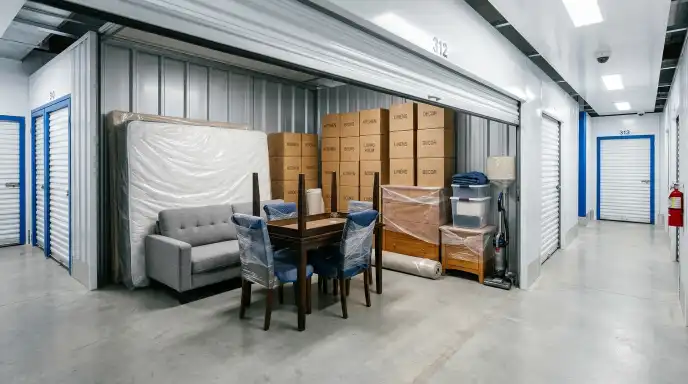
Self-storage units are one of the most popular choices for renovation storage. They offer secure facilities, multiple unit sizes, flexible rental terms, and easy access to your belongings. They work well for both short-term and long-term projects. For most homeowners, self-storage provides a strong balance of convenience, security, and affordability.
Climate-Controlled Storage
Climate-controlled storage maintains stable temperature and humidity levels. This helps protect sensitive items from damage caused by environmental changes. It is ideal for antique furniture, wooden and leather items, electronics, artwork, and musical instruments. This option helps prevent warping, cracking, mold, and moisture damage.
Spare Rooms Inside the Home
If the renovation is limited to one area, an unused room may work as temporary storage. This can be practical for small projects or minor upgrades. However, avoid overcrowding the space, as stacking too many items can cause damage and limit movement inside the room.
Garage or Shed Storage
Garages and sheds can be used for short-term storage of durable items. These may include metal furniture, outdoor pieces, utility shelving, and sturdy tables. However, these spaces often have temperature changes, humidity, and pests, making them unsuitable for delicate or valuable items.
Portable Storage Containers
Portable storage containers are delivered directly to your home, making loading and unloading much easier. They eliminate the need for transportation to a storage facility. They are a great option for medium-sized renovations and offer flexible storage and convenient access when needed.
Friends or Family Members’ Homes
For a small number of items, storing furniture with friends or family can be a cost-effective solution. It works best for short-term renovations and only a few pieces of furniture.
Which Storage Option Is Best for Your Renovation?
The best storage option depends on the type and scale of your renovation, as different projects come with different space requirements, levels of dust, and protection needs.
Kitchen Remodels
Kitchen renovations usually involve heavy dust, demolition, and frequent contractor activity, which makes it important to move nearby furniture to prevent contamination and damage. In most cases, spare rooms, portable storage containers, or small self-storage units work best for keeping items safe during the project.
Bathroom Renovations
Bathroom remodels typically affect smaller areas, so storage needs are often limited compared to other projects. Many homeowners can simply move nearby furniture to another room, although storage units may be useful if multiple bathrooms are being renovated at the same time.
Flooring Replacement Projects
Flooring projects require all furniture to be completely removed from the work area before installation begins. Because entire rooms must remain clear, self-storage units or portable storage containers are usually the most practical and efficient solutions.
Basement and Attic Conversions
Basement and attic conversions often involve clearing out spaces that already contain stored household items. These belongings need to be relocated temporarily, and portable containers or self-storage units provide the safest and most convenient option during construction.
Whole-Home Renovations
Whole-home renovations require removing furniture from multiple rooms, making large-scale storage solutions essential. In most cases, climate-controlled self-storage units are the best option, as they offer long-term protection, security, and enough space for an entire household’s belongings.
How to Prepare Furniture for Storage
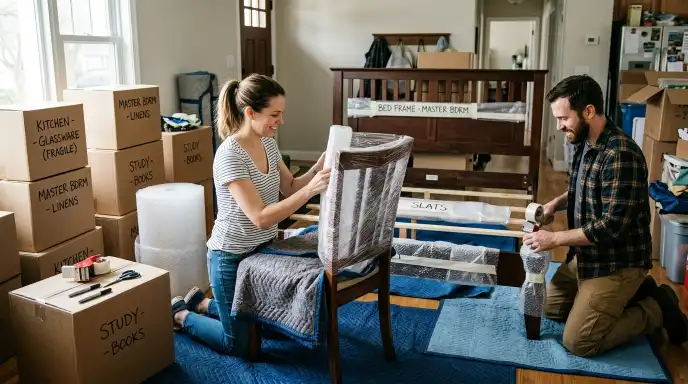
Proper preparation is essential for keeping furniture in good condition during a renovation. Taking a few extra steps before storage can help prevent damage and make moving items back into your home much easier.
Clean Furniture Before Packing
Before placing furniture into storage, clean it thoroughly to remove dust, dirt, food residue, moisture, and pet hair. Storing furniture in less-than-clean condition can lead to stains, unpleasant odors, mold growth, and other issues that may become difficult to fix after a long storage period.
Disassemble Large Pieces
Large furniture pieces are easier and safer to move when disassembled. Items such as bed frames, dining tables, desks, shelving units, and entertainment centers often take up less space when taken apart, while also reducing the risk of scratches, dents, and other moving-related damage.
Use Protective Covers and Moving Blankets
Protective materials help shield furniture from dust, scratches, and impacts during transportation and storage. Moving blankets, furniture pads, mattress covers, plastic wrap, and protective sheets can provide an extra layer of protection. However, wooden furniture should not be wrapped directly in plastic for extended periods, as trapped moisture can cause warping or finish damage.
Protect Fragile Items
Fragile belongings such as glass tabletops, mirrors, artwork, and decorative accessories require additional care. Wrapping these items in bubble wrap or foam padding and placing them in specialty boxes can help prevent cracks and breakage. Clearly labeling fragile items also reduces the risk of mishandling during transport.
Label Hardware and Components
When disassembling furniture, keep all screws, bolts, brackets, and other hardware together in labeled plastic bags. Attaching these bags to the corresponding furniture pieces whenever possible makes reassembly faster and helps ensure that no important components are misplaced during storage.
What Size Storage Unit Do You Need?
Choosing the right storage unit size helps protect your belongings, maximize available space, and avoid paying for storage you don’t need. The ideal size largely depends on how much furniture and household items must be moved during the renovation.
Small Renovation Projects
For minor renovations, a small storage unit is often enough. These units are typically suitable for bedroom furniture, small office setups, seasonal items, and a limited number of boxes, making them a practical choice for projects that affect only a small portion of the home.
Single-Room Renovations
If you’re renovating a single room, a medium-sized storage unit usually provides sufficient space for furniture, décor, and other belongings from that area. This option is commonly used for kitchen, dining room, bedroom, or living room remodels where several larger pieces need to be temporarily relocated.
Multi-Room Renovations
Renovations involving multiple rooms typically require a larger storage unit to accommodate a greater volume of belongings. These units can hold multiple furniture sets, appliances, decorative items, and packed household goods while keeping everything organized and protected throughout the project.
Whole-House Remodels
Whole-home renovations often require the largest storage units available due to the amount of furniture and personal belongings that must be removed. Larger units provide enough space for an entire household while allowing items to be stored safely and accessed easily when needed.
Common Furniture Storage Mistakes to Avoid
Avoiding common mistakes during furniture storage can save you time, money, and unnecessary stress throughout your renovation. A little planning goes a long way in protecting your belongings and keeping the process smooth.
Waiting Until Renovation Day
One of the most common mistakes is waiting until the last minute to pack and move furniture. Many homeowners underestimate how long the process actually takes, which leads to rushed decisions and poor handling. It’s best to start planning and organizing several weeks before construction begins.
Choosing the Wrong Storage Environment
Not all storage options provide the same level of protection. Sensitive items may require climate-controlled storage rather than a garage, shed, or basic unit. Choosing the wrong environment can expose furniture to moisture, heat, or pests, increasing the risk of damage.
Skipping Furniture Preparation
Failing to properly clean, wrap, and protect furniture before storage often leads to avoidable damage. Dust, stains, and scratches can become permanent over time, while simple preparation steps can significantly extend the life and condition of your items.
Underestimating Storage Space
Renting a storage unit that is too small can result in overcrowding and damaged furniture. Before choosing a unit, it’s important to carefully assess and inventory all items to ensure you select enough space for safe and organized storage.
Improperly Stacking Items
Incorrect stacking can cause serious damage, especially when heavy items are placed on top of fragile furniture. Always store heavier pieces at the bottom and maintain enough spacing between items to prevent pressure damage and breakage.
Ready to keep your furniture safe during your renovation in Charleston?
At Stomo Storage, we provide secure, flexible, and climate-controlled storage solutions designed to protect your belongings throughout every stage of your home renovation.
Whether you’re remodeling a single room or your entire home, our storage options give you the space, safety, and convenience you need to keep your project stress-free. Contact us today to find the right storage unit for your renovation and keep your furniture protected until your new space is ready.
Conclusion
Knowing where to store furniture during a home renovation can make the entire remodeling process smoother, safer, and less stressful. Removing furniture from active construction areas protects valuable belongings from dust, debris, paint, moisture, and accidental damage while giving contractors the space they need to work efficiently.
Whether you choose a self-storage unit, climate-controlled storage, a portable container, or an unused room inside your home, planning ahead is essential. Assess your storage needs early, prepare furniture properly, and select a storage solution that matches the size and scope of your renovation project. Taking these steps can help preserve your furniture, reduce cleanup costs, and ensure your newly renovated space is ready to enjoy as soon as construction is complete.
Frequently Asked Questions
Where is the safest place to store furniture during a renovation?
A climate-controlled self-storage unit is generally the safest option. It protects furniture from dust, moisture, temperature fluctuations, and accidental construction damage.
Is a storage unit worth it during remodeling?
Yes. A storage unit protects valuable furniture, improves contractor efficiency, reduces cleaning costs, and helps prevent expensive damage during renovation projects.
Do I need climate-controlled storage?
Climate-controlled storage is recommended for wood furniture, leather furniture, antiques, electronics, artwork, and other temperature-sensitive items.
Can furniture stay in another room?
Yes, if the room is unaffected by construction and has enough space to safely accommodate the furniture. However, extensive renovations may still require off-site storage.
What size storage unit do I need?
The ideal size depends on the amount of furniture being stored. Small projects may require only a compact unit, while whole-house renovations often need large storage spaces capable of holding the contents of an entire home.
About The Author