

Moving is stressful enough without wondering if you are spending more money than you need to. Whether you are moving down the street or across town, the price of a local move can add up fast if you are not careful about how you plan it, especially once you start adding up truck rentals, gas, supplies, and any help you bring in along the way.
If you live near Charleston, SC or anywhere in the Lowcountry, you have probably compared a few moving options already and wondered which one is actually the cheapest. At STOMO Storage, we help people move and store their belongings every day, so we put together this guide to break down your options and help you save money on your next move.
This guide walks through the true cost of a local move, the cheapest ways to get it done, and the small mistakes that can quietly drive your moving budget up without you realizing it.
What Is the Cheapest Way to Move Locally?
The cheapest way to move locally usually involves doing as much of the work yourself as possible while still getting the help you truly need. There is no single right answer for everyone, since the best choice often depends on how much you own, how much time you have, and how much physical help you can count on.
Rent a Moving Truck and Move Yourself
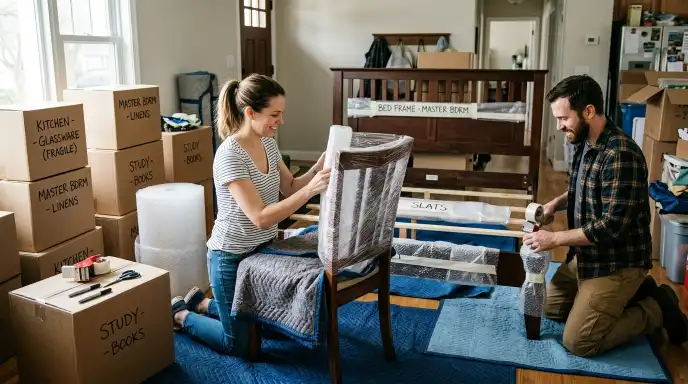
Renting a truck and handling the move yourself is often the most affordable option for a local move. You only pay for the truck rental and fuel, which is usually much less than hiring a full moving crew. Since most local moves only take a few hours, you can often rent a truck for a single day and keep costs to a minimum. This option works best if you have a few strong helpers and are comfortable driving a larger vehicle for a short distance.
Borrow a Truck or Vehicle From Friends or Family
If someone you know owns a truck or a large van, borrowing it can cut your moving costs down to almost nothing. This option works well for smaller moves or apartments with fewer large items, since you may not need multiple trips or a large cargo area. It also removes the rental fee entirely, which is often one of the biggest costs in a DIY move. Just remember to cover gas and maybe offer lunch or a small thank you for the favor.
Hire Moving Labor Only
Labor-only movers show up to load and unload your rented truck, but you handle the driving and truck rental yourself. This gives you the muscle you need for heavy furniture and large items without paying for a full-service move. It is a great middle ground for people who want help lifting but are comfortable handling the logistics and driving on their own. This option is especially useful if you have a bad back, limited mobility, or simply do not have enough friends available to help.
Use a Portable Moving Container
A portable moving container gets dropped off at your home, you load it at your own pace, and the company moves it to your new place. This option saves money on truck rental and gives you more flexibility with timing, since you are not stuck loading everything in a single rushed day. It also works well if there is a gap between when you move out of your old home and into your new one. Many people like this option because it removes the pressure of driving a large truck through unfamiliar streets.
Hire a Professional Moving Company
While not always the cheapest option, hiring a professional moving company can still be affordable for a local move, especially with a flat rate instead of hourly pricing. Professional movers handle the heavy lifting and driving, which saves you time, effort, and the risk of injury from moving heavy furniture yourself.
This option is worth considering if your schedule is tight or if you have a lot of large, bulky items that are difficult to move safely on your own. For many people, the extra cost is worth the peace of mind and convenience on a busy moving day.
How Much Does a Local Move Cost?
Local moving costs can vary quite a bit depending on how much you move and how much help you need. A DIY local move usually costs between one hundred and three hundred dollars, mainly covering truck rental, fuel, and basic supplies, with costs rising a bit if you need equipment like dollies or furniture pads.
Hiring professional movers typically costs between four hundred and fifteen hundred dollars depending on the size of your home, so getting a few quotes helps you see where your move falls within that range. Beyond the basic cost, extra charges can include packing supplies, insurance, storage fees, or fees for moving heavy or bulky items like a piano, so it helps to ask about these upfront.
The size of your home, the amount of furniture you own, and the distance between locations all play a role in your total cost as well. Understanding these factors ahead of time helps you plan a more accurate budget instead of getting caught off guard later.
Compare the Cheapest Local Moving Options
Comparing your options side by side makes it easier to pick the cheapest choice for your specific situation.
| Comparison | Option A | Option B | Best For |
| DIY Moving vs. Professional Movers | DIY: cheaper upfront, but requires your own time and physical work | Professional: costs more, but saves you the heavy lifting and long hours | DIY if you have time and helpers; professional if your budget allows convenience |
| Moving Truck vs. Moving Container | Truck: usually cheaper for a quick, one-day move | Container: costs a bit more but offers flexibility with timing | Truck for fast moves; container if you need extra days between homes |
| Labor-Only Movers vs. Full-Service Movers | Labor-only: cheaper, since you pay only for loading and unloading help | Full-service: costs more, but handles everything start to finish | Labor-only if you can drive the truck yourself; full-service if you want it all handled |
| Cheapest Option by Home Size | Studio or small apartment: rented truck or labor-only movers | Larger home: moving container or professional movers | Match the option to how much you actually need to move |
How to Save Money on a DIY Local Move
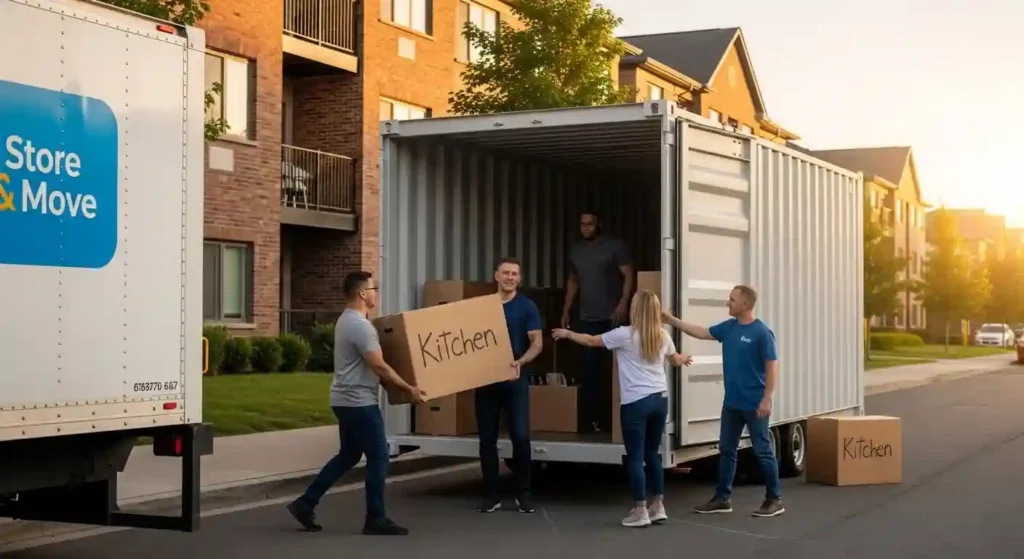
Saving money on a DIY local move starts before moving day even arrives. Decluttering ahead of time means less to pack, less to load, and often less truck space needed, which can lower your rental cost right away. Using free boxes, packing your own belongings, and asking friends or family to help can save you the cost of professional moving services.
A few smart choices on moving day can save even more. Moving during the middle of the week or the middle of the month is usually cheaper than moving on a weekend, since demand is lower and rental rates often drop. Having everything packed and ready before your truck arrives, comparing a few rental quotes, and only paying for the services you actually need are simple ways to keep your total moving cost as low as possible.
How to Save Money When Hiring Local Movers
Hiring local movers does not have to blow your budget if you plan ahead. Getting quotes from a few different companies helps you compare pricing and avoid overpaying, while booking early instead of at the last minute usually means better rates and more availability. Being fully packed and ready before the movers arrive also helps, since most companies charge by the hour and any time spent waiting on you adds directly to your bill.
You can also cut costs by only paying for the services you actually need. Skipping extras like packing help or furniture assembly, if you are able to handle those tasks yourself, keeps your total lower without sacrificing the convenience of professional movers for the heavy lifting. Moving during an off-peak time, like a weekday in the middle of the month, can also help you land a better rate.
How to Choose an Affordable Local Moving Company
Finding an affordable mover is not just about picking the lowest number on a quote.
Check Reviews and Company Reputation Reading reviews from past customers helps you see how a company actually performs, not just what they advertise. A slightly higher price is often worth it for a company with strong, consistent reviews. Cheap movers with poor reputations can end up costing you more in damaged items or stress.
Compare Estimates and Services Look closely at what each estimate actually includes, not just the total price. Some quotes include packing and insurance, while others charge extra for those services. Comparing apples to apples helps you find the truly cheapest option.
Understand What the Quote Includes Ask directly whether the quote includes fuel, labor, insurance, and any special item fees. A lower quote that leaves out key services may end up costing more than a slightly higher, all inclusive one. Getting this in writing protects you from surprises later.
Watch for Extra Fees and Hidden Charges Some companies add fees for stairs, long carries, or heavy items after the fact. Reading the fine print or asking directly about extra charges can help you avoid this. A trustworthy company will be upfront about all potential costs from the start.

Ways to Reduce the Amount You Need to Move
The less you move, the less it costs, so reducing your total load is one of the smartest ways to save.
Sell Unwanted Furniture and Belongings
Selling furniture or items you no longer need can lower your moving costs while putting a little extra cash in your pocket. Online marketplaces make this easier than ever. This is especially useful for large, bulky items that take up truck space. Setting a firm deadline to sell before your move date also helps you avoid packing items you were only keeping out of habit.
Donate or Recycle Items You No Longer Need
Donating clothes, furniture, or household goods you no longer use keeps them out of your moving load entirely. Many donation centers will even pick up larger items for free. This is a simple way to lighten your load while helping others. Checking pickup schedules a week or two before your move ensures items are gone before moving day arrives.
Move Only Essential Items
Deciding to only move items you actually use regularly can shrink your moving load significantly. Items you have not touched in over a year are often good candidates to leave behind. A smaller load almost always means a smaller bill. Going room by room, rather than trying to decide all at once, makes this process feel far less overwhelming.
Use Household Items as Packing Materials
Towels, blankets, and clothing can double as padding for fragile items instead of buying bubble wrap or packing paper. Suitcases and laundry baskets can also double as moving containers. This cuts down on both packing costs and the number of boxes you need. This approach also means fewer empty boxes to break down and recycle once you have settled into your new place.
Common Mistakes That Make Local Moves More Expensive
A few common mistakes can quietly add extra costs to what should be an affordable move.
- Waiting Until the Last Minute Booking movers or a truck too late often means paying higher prices and having fewer options.
- Moving Too Many Unwanted Items Extra weight and boxes can mean needing a bigger truck or more time, so decluttering first saves money.
- Choosing the Cheapest Quote Without Checking the Details A low quote that skips fuel or insurance can end up costing more overall.
- Forgetting Packing, Storage, and Equipment Costs Boxes, tape, dollies, and short term storage add up fast if they are not planned for.
- Moving During the Busiest Times of the Year Summer, weekends, and month-end moves usually cost more due to high demand.

How to Plan a Cheap Local Move
A little planning goes a long way toward keeping your local move affordable. Start by listing every expected cost, from truck rental to packing supplies, so nothing catches you off guard. Add a small buffer for unexpected costs. This gives you a clear number to work toward and compare options against. A simple checklist helps you stay organized and avoid last minute, costly decisions. Break tasks down by week leading up to your move date.
Staying organized often prevents rushed choices that end up costing more. Setting up utility transfers and other services ahead of time avoids late fees or emergency service calls. This also helps you avoid paying for utilities at two homes longer than necessary. A quick call a few weeks out can save you money. Having everything packed, labeled, and ready to go before your movers or trucks arrive helps things move faster.
This is especially important if you are paying for hourly labor. Being prepared can shave real time and money off your move. Loading your truck properly, with heavier items on the bottom, protects your belongings and prevents damage that could cost you later. Securing items so they do not shift during transport is also important. Taking a little extra care here can save you from costly repairs or replacements.
Ready to Make Your Move?
If you are getting ready for a local move and want a straightforward, affordable option without any last minute surprises, STOMO Storage in Charleston, SC is here to help. Our team understands that every move is different, whether you are heading down the street we work with you to find the option that actually fits your budget and your timeline. From portable storage containers to full moving support, we handle your belongings with care so you can focus on settling into your new place instead of worrying about logistics.
Unlike many moving companies that charge by the hour and leave you watching the clock, STOMO Storage offers flat rate pricing so you always know exactly what to expect before moving day even begins. There are no hidden fees, no surprise charges, and no guessing games about your final bill. Reach out today to get a free quote and speak with our team about your upcoming move. Whether you need help for a few hours or a full-service move from start to finish, we are ready to make your next local move as easy and affordable as possible.
Conclusion
Moving locally does not have to drain your savings if you take a little time to plan ahead. Whether you choose to rent a truck and do it yourself, hire labor only, or bring in a full-service moving company, the cheapest option is usually the one that matches how much you actually own and how much help you truly need.
Small choices, like decluttering before you pack, comparing a few quotes, or picking an off-peak moving day, can add up to real savings without adding stress to your move. A little planning now can mean a smoother, more affordable moving day later.
Frequently Asked Questions
What Is the Cheapest Way to Move Locally?
Renting a truck and moving yourself with help from friends or family is usually the cheapest way to move locally, since you only pay for the truck and fuel. This approach cuts out labor costs entirely, which is often the biggest expense in any move. The tradeoff is your own time and effort, but for most local moves, the savings make it worth the extra work.
Is It Cheaper to Move Yourself or Hire Movers?
Moving yourself is almost always cheaper upfront, though hiring movers can be worth the extra cost if you have a lot of furniture or limited time. It helps to think about what your time and physical energy are worth, since a DIY move that takes an entire exhausting weekend may not feel like as much of a bargain once you factor that in.
What Is the Cheapest Way to Move a Few Items?
For just a few items, using your own vehicle or borrowing one from a friend is usually the cheapest option, since you may not need a rental truck at all. This works especially well for moves within the same neighborhood, where you can make a couple of quick trips instead of paying for a full day of truck rental.
What Is the Cheapest Day of the Week to Move Locally?
Weekdays, especially in the middle of the week, are usually cheaper than weekends since demand for movers and trucks is lower. Movers and rental companies often have more flexibility and better rates when they are not fully booked, so a Tuesday or Wednesday move can end up costing noticeably less than a Saturday.
How Can I Find Cheap Local Movers?
Comparing quotes from several companies, asking about discounts, and booking early are the best ways to find affordable local movers in your area. It also helps to ask each company exactly what is included in their quote, since a lower price sometimes leaves out fees that get added later.
How Much Does It Cost to Move Locally?
A local move typically costs between one hundred dollars for a DIY move and fifteen hundred dollars for a full-service move, depending on your home size. Smaller moves, like a studio apartment, sit closer to the lower end, while larger homes with more furniture and a full moving crew push costs toward the higher end.
Is Hiring Labor-Only Movers Cheaper Than Full-Service Movers?
Yes, labor-only movers are usually cheaper since you are only paying for loading and unloading help, not the truck rental or driving. This option works well if you are comfortable renting and driving the truck yourself but would rather not handle the heavy lifting alone.
How Can I Move Without Spending Much Money?
Decluttering before you move, using free packing supplies, and asking friends or family for help are some of the best ways to move on a tight budget. Combining a few of these strategies at once, rather than relying on just one, is usually what makes the biggest difference in your final moving cost.
About The Author