Hurricanes can destroy years of hard work and cherished memories in a single afternoon, leaving entire neighborhoods unrecognizable. You might expect that the first wave of problems is the worst, but reality hits even harder after the storm has passed. More than 40 percent of small businesses never reopen after a natural disaster. The real challenge is not just bracing for impact, it’s what you do in the aftermath that shapes your future.
Table of Contents
- Understanding the Immediate Aftermath of Hurricanes
- Key Recovery Steps for Homeowners and Businesses
- Storage Solutions During Post-Hurricane Recovery
- Support Resources for Families, Students, and Contractors
Quick Summary
| Takeaway | Explanation |
|---|---|
| Assess damage safely and promptly. | Evaluate structural and environmental damage immediately to ensure safety and clarity on recovery needs. |
| Document all damage thoroughly. | Take photos and create an inventory for insurance claims to expedite recovery processes and support future assistance. |
| Utilize emotional and financial support resources. | Seek mental health services and financial counseling to help navigate trauma and manage budgets effectively after a disaster. |
| Implement storage solutions for recovery. | Use temporary and long-term storage options to protect belongings, facilitating an organized and efficient recovery process. |
| Focus on rebuilding with resilience in mind. | Prioritize disaster-resistant materials and strategies in your rebuild to enhance preparedness for future storms. |
Understanding the Immediate Aftermath of Hurricanes
Hurricanes unleash devastating forces that can transform communities within hours. Understanding the immediate aftermath is critical for survivors to navigate safety, recovery, and emotional resilience. When these massive storms sweep through regions, they leave behind complex challenges that demand swift, strategic responses.
Assessing Structural and Environmental Damage
In the wake of a hurricane, the first critical step involves carefully evaluating the extent of damage to your property and surrounding environment. Comprehensive damage assessment requires systematic observation and professional expertise. According to FEMA, survivors must prioritize personal safety before attempting any restoration efforts.
Structural damage can manifest in multiple ways. Roofs might have sustained significant wind damage, walls could show water infiltration, and foundations might have shifted. Look for visible signs such as water stains, cracks in walls, compromised electrical systems, and potential gas leaks. The National Center for Healthy Housing recommends wearing protective gear like sturdy boots, gloves, and masks when initially surveying damage to prevent potential health risks.
Safety Protocols and Immediate Actions
Immediate safety becomes paramount in hurricane aftermath. Texas A&M University advises residents to follow critical safety protocols. Turn off utilities to prevent electrical hazards or gas leaks. Avoid walking through standing water, which might conceal dangerous debris or be electrically charged. Check for downed power lines and maintain a safe distance.
Documenting damage is equally crucial. Take comprehensive photographs and videos of all affected areas for insurance purposes. Create a detailed inventory of damaged property, including furniture, electronics, and personal belongings. This documentation will streamline future insurance claims and potentially expedite recovery support.
Emotional Recovery and Mental Health Support
Beyond physical destruction, hurricanes inflict significant emotional trauma. The psychological impact can be as devastating as structural damage. FEMA’s crisis counseling programs emphasize the importance of addressing mental health during disaster recovery. Survivors often experience heightened stress, anxiety, and potential post-traumatic responses.
Reaching out to support networks becomes essential. Connect with family, friends, local community resources, and professional counseling services. Recognize that emotional healing is a gradual process. Acknowledge your feelings, practice self-care, and remain patient with yourself and others experiencing similar challenges.
Understanding the immediate aftermath of hurricanes requires a holistic approach addressing physical safety, structural assessment, and emotional well-being. By remaining informed, prepared, and compassionate, survivors can effectively navigate these challenging circumstances and begin the journey toward recovery and resilience.
Key Recovery Steps for Homeowners and Businesses
Recovering from a hurricane requires strategic planning and swift action for both homeowners and businesses. The aftermath presents complex challenges that demand comprehensive approaches to restoration, financial recovery, and operational continuity.
Immediate Damage Assessment and Documentation
The first critical phase of recovery involves thorough damage documentation. Explore smart renovation strategies that can help streamline your recovery process. According to the North Carolina Small Business and Technology Development Center, businesses and homeowners should immediately contact insurance carriers and begin detailed documentation.
For homeowners, this means capturing comprehensive photographic and video evidence of all damage. Create a systematic inventory of damaged property, including furniture, electronics, structural elements, and personal belongings. The National Center for Healthy Housing recommends removing mud and silt promptly to prevent hardening and potential long-term structural damage.
Businesses should develop a meticulous damage report that includes asset losses, operational interruptions, and potential revenue impacts. This documentation becomes crucial when filing insurance claims and seeking federal disaster assistance.
Below is a table summarizing the immediate damage documentation and restoration strategies for homeowners and businesses:
| Step | Homeowners | Businesses |
|---|---|---|
| Contact Insurance | Immediately after storm | Immediately after storm |
| Document Damage | Photos, videos, inventory of personal items | Photos, videos, asset/inventory loss report |
| Remove Mud & Silt | Promptly to prevent hardening | N/A |
| Report & Inventory | Systematic list of damaged furniture/electronics/etc. | Develop detailed damage and interruption report |
| File Claims/Seek Assistance | With insurance and FEMA/local organizations | Insurance, SBA/Federal disaster assistance |
Financial Recovery and Resource Utilization
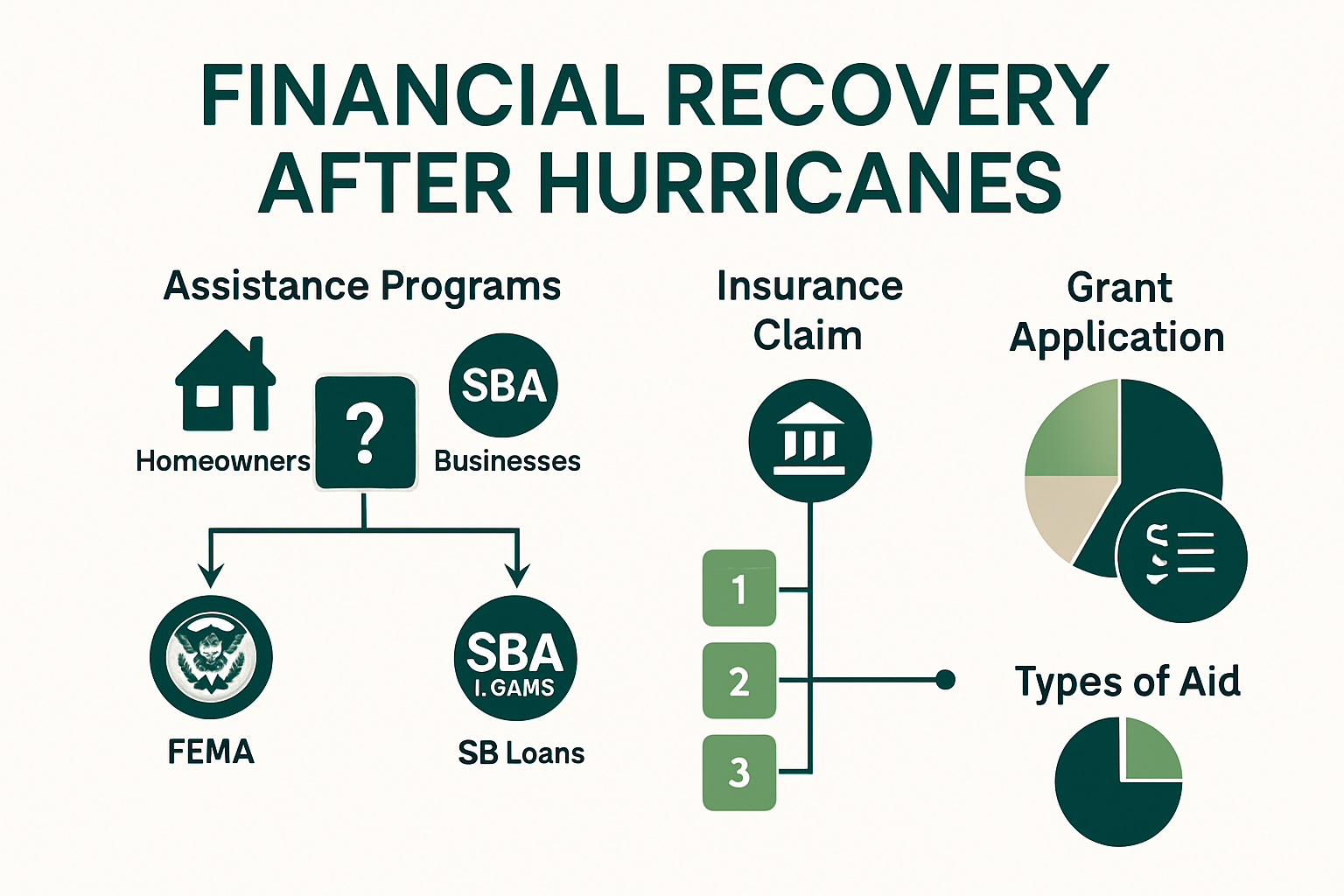
Financial recovery represents a critical component of hurricane aftermath management. The City of Tampa emphasizes the importance of exploring multiple recovery funding options. Small businesses can access resources like the Florida Small Business Emergency Bridge Loan Program and SBA Disaster Assistance to bridge financial gaps.
Homeowners should similarly investigate available resources. FEMA assistance, state-level recovery grants, and specialized home repair loans can provide critical financial support. Consulting with local government offices and disaster recovery centers can help identify specific programs tailored to your recovery needs.
Business owners must also focus on financial resilience. This includes reviewing business interruption insurance, restructuring financial obligations, and developing contingency budgets that account for potential extended recovery periods.
Rebuilding and Resilience Strategies
Rebuild strategies should prioritize long-term resilience and disaster preparedness. The National Center for Healthy Housing recommends using resilient materials and implementing structural improvements that can withstand future hurricane impacts. For businesses, this means developing comprehensive business continuity plans that include data backup, alternative operational strategies, and flexible work arrangements.
Homeowners should consider renovation techniques that enhance structural integrity. This might involve reinforcing roofing, improving drainage systems, and selecting hurricane-resistant building materials. Consulting with local contractors who specialize in disaster-resistant renovations can provide valuable insights.
Businesses should focus on creating adaptable operational models. This includes developing remote work capabilities, establishing backup communication systems, and creating emergency response protocols that can be quickly implemented during future natural disasters.
Recovery from a hurricane is not just about rebuilding physical structures but also about creating more resilient, adaptive systems for both personal and professional environments. By approaching recovery with strategic planning, comprehensive documentation, and a forward-thinking mindset, homeowners and businesses can transform challenging circumstances into opportunities for improved preparedness and strength.
Storage Solutions During Post-Hurricane Recovery
Post-hurricane recovery demands strategic storage solutions that protect valuable assets, facilitate restoration efforts, and provide stability during challenging times. Understanding and implementing effective storage strategies can significantly streamline the recovery process for homeowners and businesses alike.
Temporary Storage for Displaced Belongings
Learn about portable storage options that can help protect your belongings during recovery. The USDA Southeast Climate Hub recommends creating secure, weatherproof storage solutions to protect critical resources and personal property from further damage.
Homeowners should prioritize storing salvageable items in climate-controlled, secure environments. This includes important documents, family heirlooms, electronics, and furniture that can be restored. Portable storage containers offer flexible solutions, allowing individuals to store items on-site or at a secure facility while rebuilding their living spaces.
Businesses face unique storage challenges during hurricane recovery. Local storage solutions in Charleston can provide critical support for preserving inventory, equipment, and essential business records. The National Academies of Sciences, Engineering, and Medicine emphasize the importance of maintaining supply chain continuity through strategic storage management.
The following table compares storage priorities and options for homeowners and businesses during post-hurricane recovery:
| Aspect | Homeowners | Businesses |
|---|---|---|
| Priority Items | Documents, heirlooms, electronics | Inventory, equipment, business records |
| Recommended Storage | Climate-controlled or portable units | Local or offsite secure storage |
| Storage Duration | Short- or long-term | Short- or long-term |
| Restoration Support | Protects salvageable belongings | Maintains supply chain, business ops |
Protecting Critical Resources and Inventory
FEMA’s Recovery and Resilience Resource Library provides comprehensive guidance on protecting critical resources during post-hurricane recovery. For businesses, this means implementing robust storage strategies that safeguard inventory, equipment, and essential documentation.
Agricultural businesses and farms require specialized storage solutions to protect commodities and equipment. Climate-controlled storage containers can help preserve sensitive agricultural resources, preventing additional loss and supporting rapid recovery. Businesses should create detailed inventories of stored items, including serial numbers, photographs, and estimated value to support insurance claims and recovery efforts.
Homeowners should similarly approach storage with a strategic mindset. Separate salvageable items from those beyond repair. Use waterproof and airtight containers for important documents, electronics, and sentimental items. Consider professional restoration services for items with potential for recovery.
Long-Term Storage and Recovery Planning
Effective storage solutions extend beyond immediate post-hurricane needs. Developing a comprehensive long-term storage strategy involves anticipating future recovery challenges and creating flexible, adaptable storage plans.
Businesses should invest in modular storage solutions that can be easily scaled or relocated. This might include portable storage containers, offsite secure facilities, and digital backup systems for critical business records. The ability to quickly relocate or protect resources can be crucial in minimizing long-term economic impact.
Homeowners can benefit from similar approach. Consider storage solutions that offer flexibility during home renovations or extended repair periods. Portable storage containers provide the ability to keep belongings secure while reconstruction occurs, eliminating the need for multiple moves or temporary housing.
Post-hurricane storage is more than just protecting physical items. It represents a critical component of emotional and economic recovery. By implementing strategic, flexible storage solutions, individuals and businesses can create a sense of stability and control during an otherwise unpredictable time. The right storage approach not only protects valuable assets but also provides a foundation for rebuilding and moving forward.
Support Resources for Families, Students, and Contractors
Hurricane recovery extends far beyond physical restoration. Each group faces unique challenges that require targeted support and specialized resources to navigate the complex aftermath of natural disasters.
Family Support and Mental Health Resources
Families confronting hurricane devastation need comprehensive support systems. The Virginia Cooperative Extension emphasizes the critical importance of addressing emotional well-being during recovery. Mental health resources become paramount, helping families process trauma and rebuild resilience.
Parents should prioritize open communication with children, acknowledging their feelings and fears. Professional counseling services, community support groups, and school-based mental health programs can provide essential assistance. Student moving solutions can help alleviate some logistical stress during transitional periods.
Financial counseling becomes equally important. Many families will need guidance on managing insurance claims, accessing emergency funds, and restructuring household budgets. Local community centers and disaster recovery organizations often provide free financial counseling to help families stabilize their economic situation.
Educational Support for Students
Students face significant disruptions to their academic and personal lives during hurricane recovery. The NC Center for Resilience & Learning offers critical insights into supporting students through these challenging transitions.
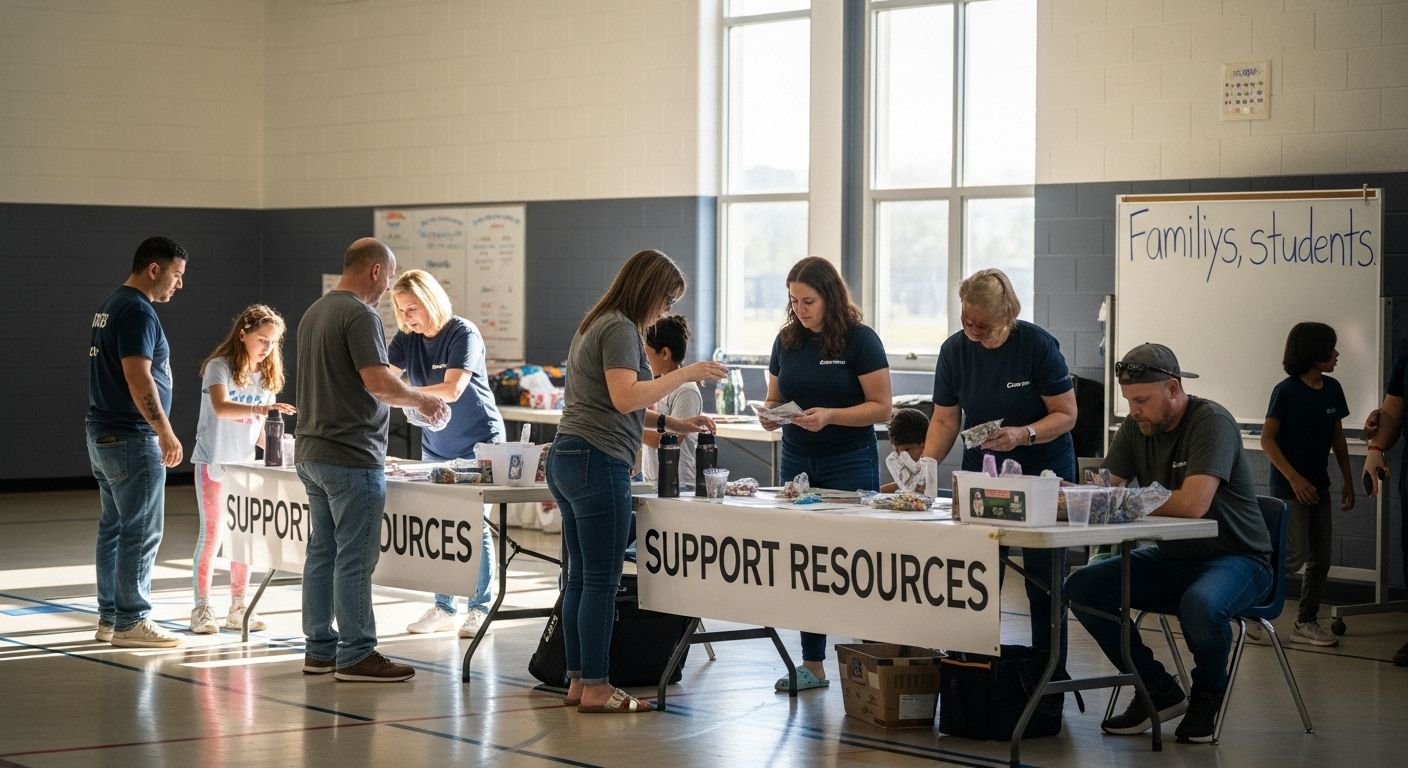
Colleges and universities should implement flexible academic policies, including extended deadlines, incomplete grade options, and emergency enrollment accommodations. Mental health services on campus become crucial, providing counseling, support groups, and resources to help students process their experiences.
For K-12 students, school districts must create comprehensive recovery plans. This includes providing additional academic support, creating safe emotional spaces for discussion, and connecting families with local resources. Temporary housing assistance, school supply replacement programs, and transportation support can help students maintain educational continuity.
Professional Support for Contractors and Restoration Professionals
Contractors play a pivotal role in hurricane recovery, facing unique challenges that require specialized support and resources. Professional organizations and local government agencies can provide critical assistance through training, financial support, and regulatory guidance.
Contractors should seek specialized insurance coverage that addresses hurricane-related risks. Professional networks and trade associations offer resources for understanding changing building codes, accessing emergency permits, and navigating complex restoration projects. Financial programs like small business disaster loans can help contractors maintain operational capabilities during extended recovery periods.
Licensed professionals must also prioritize personal safety and mental well-being. The physically and emotionally demanding nature of disaster recovery work requires robust support systems, including access to mental health resources, peer support networks, and professional counseling services.
Recovery from a hurricane is a community-wide effort that requires coordinated support across multiple sectors. By providing targeted resources for families, students, and professionals, communities can build resilience, foster healing, and create pathways for comprehensive recovery. The most successful disaster response recognizes that human support is just as critical as physical reconstruction.
Frequently Asked Questions
What should I do immediately after a hurricane?
It’s crucial to assess damage safely and document it with photos and videos. Ensure your safety by checking for hazards such as downed power lines and avoiding standing water. Contact your insurance carrier as soon as possible.
How can I support my mental health after experiencing a hurricane?
Seek support from family, friends, and professional counseling services. Acknowledge your feelings, practice self-care, and utilize local community resources to help process trauma and rebuild resilience.
What storage solutions are available for displaced belongings after a hurricane?
Consider using climate-controlled or portable storage units to protect important documents, electronics, and other valuable items during recovery. Businesses can also utilize offsite secure storage to maintain inventory and other essential records.
What financial resources are available for homeowners and businesses after a hurricane?
Homeowners can explore FEMA assistance, state recovery grants, and disaster-specific loans. Businesses should look into SBA Disaster Assistance programs and local funding options to support financial recovery and bridge gaps caused by the disaster.
Take Control of Your Hurricane Recovery with Local Storage Solutions
When a hurricane changes everything, you need a storage partner you can trust. The article highlights the urgency of protecting your property, keeping salvageable belongings safe, and finding reliable support during uncertain times. With damage assessment and documentation at the top of your list, secure and accessible storage is essential for both homeowners and businesses rebuilding after the storm.
Stomo understands these moments. As a South Carolina family-owned provider, we deliver flexible, weather-resistant portable storage units right where you need them. You can self-pack at your own pace or let our trusted moving team handle the transition for you. Every container shields your valuables from further harm so you can focus on immediate recovery. Our flat-rate pricing means no surprises, just honest local support.
Do not let storm aftermath slow your next steps. Discover how easy and affordable recovery can be by visiting Stomo Storage. If you want to learn more about secure portable solutions for your storm-damaged belongings, check out our guide on What is Portable Storage?. Ready to get started? Contact us today to reserve your unit and regain peace of mind.
Recommended
- Charleston South Carolina USA: Storage & Moving Solutions 2025 – STOMO Mobile Storage and MOVEMO Moving Service
- Renovation Renovation Renovation: Smart Solutions for 2025 – STOMO Mobile Storage and MOVEMO Moving Service
- Water Damage Restoration Costs in 2025: A Guide for Homeowners, Businesses, and Movers – STOMO Mobile Storage and MOVEMO Moving Service
- What Is Mobile Storage? 2025 Guide for Homeowners, Students & Businesses – STOMO Mobile Storage and MOVEMO Moving Service