

Moving to a new home is exciting, but packing up everything you own? That’s the hard part. If you’re staring at your house wondering where to even start, you’re not alone. Most people feel totally overwhelmed when they begin packing. The good news is that packing doesn’t have to be stressful. When you know what to pack first when moving, the whole process gets much easier. You just need a simple plan and the right timeline.
Whether you’re moving across Charleston, settling into a new place in Columbia, or heading to the beach in Myrtle Beach, this guide will show you exactly what to pack and when. With the right approach and a portable storage container, you can pack at your own speed without feeling rushed. Let’s break down the packing process into easy steps.
When Should You Start Packing for a Move?
The Ideal Packing Timeline
Here’s the big question: when should you actually start packing? The best answer is 6 to 8 weeks before your moving day. That might sound like a long time, but trust us, it makes everything so much easier. Starting early means you can pack a little bit each day instead of staying up late packing. You’ll actually think about what you’re packing instead of just throwing stuff in boxes. You can get rid of things you don’t need anymore and avoid that last-minute panic.
Why early packing reduces stress:
Think about it this way. If you wait until the last week, you’ll be packing your entire house while also trying to work, take care of kids, and handle all the other moving tasks. That’s going to make everything much harder and more stressful. When you start early, packing becomes part of your routine. You can pack one room per week. You can label boxes properly. You can actually find things when you need them.
The portable storage advantage:
Here’s where portable storage makes your life easier. With traditional movers, you have to pack everything on their schedule. They show up, and you better be ready. With a portable storage container delivered to your house, you pack whenever you want. Take a month, take two months, it’s up to you. The container sits in your driveway waiting for you. No pressure. No hourly fees adding up. Just pack at your own pace.
What to Pack First When Moving (6-8 Weeks Out)
Start With Storage and Seasonal Items
So what should you pack first? Start with the stuff you never use. It sounds obvious, but most people forget they have all this stuff sitting in closets and storage areas.
Here’s what to pack first:
Holiday decorations – Pack up Christmas stuff, Easter baskets, Halloween costumes, and Thanksgiving decorations since you won’t need them for months.
Off-season clothes – Living in Charleston? You probably won’t need those heavy winter coats for a while. In Columbia during summer? Pack those sweaters. Beach folks in Myrtle Beach can pack away those boots and scarves.
Rarely used items – Think about that fancy china you use once a year. Those special serving dishes. The nice tablecloths. All that stuff can go in boxes now.
Garage, attic, and shed items – Tools you rarely use, camping gear, old sports equipment, garden decorations. If it’s been sitting in storage for months, it can stay packed for a few more.
How to Pack These Items
Don’t just throw everything in boxes. Take a few minutes to pack things right.
Use good boxes and bubble wrap – You don’t want your grandma’s china breaking because you used old, weak boxes. Get sturdy boxes. Use bubble wrap or packing paper for anything breakable.
Label everything – Write on every box. Not just “kitchen stuff” but “kitchen – holiday dishes – pack last.” Your future self will thank you.
Pack smart – Heavy items like books go in small boxes. Light items like pillows can go in big boxes. Don’t make boxes so heavy you can’t lift them.
Pro tip: These early-packed boxes should go into your container first. They’ll be in the back since you won’t need them right away. This leaves room near the door for stuff you’ll need to unpack first.
What to Pack 4-5 Weeks Before Moving
Guest Bedrooms and Extra Spaces
Once you’ve tackled storage areas, move to the rooms you don’t use every day.
Guest bedrooms – Most people don’t have guests every week. Pack up that guest room. The bedding, the furniture (if you can take it apart), the décor on the walls.
Extra linens and towels – You probably have way more towels than you actually use. Keep enough for your family for two weeks. Pack the rest.
Books and décor – Pack those bookshelves full of books you’re not reading, picture frames on the wall, vases, and knick-knacks.
Sports equipment – If it’s not the season, pack it. Golf clubs in winter, ski gear in summer (well, if you somehow have ski gear in South Carolina).
Fragile Items and Collectibles
This is also the time to carefully pack your breakable stuff.
China and glassware – The fancy stuff you only use for special dinners. Wrap each piece in bubble wrap or packing paper.
Artwork and photos – Take pictures off walls and wrap them carefully, using corner protectors if you have valuable art.
Electronics you can live without – Extra TVs, gaming systems the kids haven’t touched in months, that old stereo system. Wrap cords separately and label them.
How to pack fragile items:
Wrap each item individually and put crumpled paper at the bottom of boxes. Never leave empty space because things shift and break. Mark boxes “FRAGILE” on all sides, and don’t stack heavy boxes on top of fragile boxes.
What to Pack 2-3 Weeks Before Moving
Most Closets and Non-Essentials
Now you’re getting to the stuff you actually use, but you can still pack most of it. Keep out about two weeks’ worth of clothes for each person and pack everything else. Out-of-season stuff should already be packed, so this is just your regular clothes you can live without. Keep your everyday shoes and pack the rest, wrapping nice shoes in paper so they don’t get scuffed. For linens, keep one set of sheets per bed and pack the other three sets you never use. All those backup bottles of shampoo, extra towels, and bathroom décor can be packed now, just keep your daily stuff out.
Kids’ Rooms (Mostly)
This one’s tricky because kids want all their stuff, but you can still pack most of it. Start with toys they don’t play with – you know which ones, the ones buried at the bottom of the toy box – and pack them while the kids are at school or distracted. Kids’ closets are usually packed with clothes they’ve outgrown or never wear, so keep enough for two weeks and pack the rest. Keep their favorite books and games out, but pack everything else. Parent tip: Don’t tell kids you’re packing their toys until after you’ve done it because they’ll want to keep everything if you ask first.
What to Pack 1 Week Before Moving
Create Your Essentials Box
This is super important. You need a box of stuff you’ll need immediately when you get to your new place.
What goes in your essentials box:
Your essentials box should have toilet paper (you’ll need it the second you arrive), paper towels, basic cleaning supplies, and phone chargers for everyone. Don’t forget medications, toiletries for a few days, soap and shampoo, and a change of clothes for each person. Throw in some basic tools like a screwdriver, scissors, and tape. If you have pets, include their supplies. Add some snacks and drinks, and keep all your important documents in here too.
Label this box clearly and keep it with you. Don’t let it go in the moving truck or container.
Nearly Everything Else
By now, you should be packing almost everything.
Remaining décor – Pictures, wall art, lamps (except one or two you need).
Most kitchen items – This is when you start packing the kitchen. Keep out one pot, one pan, one plate and cup per person, some utensils. Pack everything else.
Final clothing and shoes – You should be down to just what you’ll wear this week.
What to Pack Last (2-3 Days Before)
Pack the Kitchen Last
The kitchen is always the hardest room to pack because you use it every single day, right up until you leave. You need to eat, you need coffee, and you need basic dishes and utensils until the very end, which is why the kitchen gets packed last.
Here’s the kitchen packing strategy:
One week before:
- Pack appliances you don’t use daily (blender, mixer, waffle maker)
- Pack special dishes and serving items
- Pack extra pots and pans
- Pack cookbooks and pantry items you won’t use
Three days before:
- Pack most dishes (keep out basics)
- Pack most utensils
- Pack spices and condiments (except what you’ll use)
- Clean out the fridge and freezer
Moving day morning:
- Pack the last dishes after breakfast
- Pack remaining food
- Pack dish soap and sponges
- Clean the empty kitchen
How to pack kitchen items:
For dishes and glasses, use dish pack boxes if you can. They’re sturdier. Wrap every piece. Put plates on their sides, not flat. Fill all empty spaces. For pots and pans, nest them together but put paper between them so they don’t scratch. For food items, check expiration dates. Don’t pack things that will expire soon. Donate unopened non-perishables to a food bank.
South Carolina food tip: If you’re moving in summer heat (which is basically April through October here), don’t pack anything that can melt or spoil. The inside of a moving container gets hot.
Final Day Items
The night before your move:
- Strip the beds and pack the bedding
- Pack your last toiletries in the morning
- Keep out cleaning supplies for final walkthrough
Moving day morning:
- Make the beds one last time or sleep on the mattress (pack sheets in morning)
- Use paper plates for breakfast
- Pack very last items
- Do final walkthrough
- Clean as you go
What stays accessible:
Keep important documents, valuables, medications, phone chargers, keys, your essentials box, and a change of clothes where you can reach them easily.
Items You Should NOT Pack
Some things can’t go in moving containers. It’s important to know what these are.
What Can’t Go in Storage Containers
Some things can’t go in moving containers, and it’s important to know what these are before you start packing. You can’t pack hazardous materials like paint and paint thinner, gasoline and motor oil, propane tanks, cleaning chemicals, batteries (sometimes), or aerosol cans. Don’t pack perishables either, including food that can spoil, plants (they need light and water), or anything that can melt in heat.
Keep important documents with you at all times, including birth certificates, passports, Social Security cards, medical records, school records, financial documents, and moving contracts. Valuables like jewelry, cash, collections (coins, stamps), irreplaceable photos, and sentimental items should ride with you in your car. The same goes for your prescription medications and any medical supplies you need daily.
Hazardous stuff should be disposed of properly or used up before moving. In South Carolina, check your local waste management for hazardous waste drop-off days. Important documents and valuables should ride with you in your car, not in the moving container.
Fast-Track Packing: What If You’re Behind?
Maybe you’re reading this and your move is in three weeks. Don’t panic. You can still do this.
4-Week Emergency Timeline
Week 1: Storage items
Pack everything in your attic, garage, and basement. Get those holiday items packed up and don’t forget off-season clothes. Declutter as you go by donating or trashing anything you don’t want.
Week 2: Bedrooms and living areas
Pack guest rooms completely this week. Get most of your master bedroom packed too. In the living room, pack everything except your TV and couch. Pack the dining room and most of your books and décor.
Week 3: Remaining rooms
Pack kids’ rooms but keep essentials out. Pack bathrooms and keep just the basics. Pack most of the kitchen while keeping basics accessible. Get remaining closets packed and create your essentials box.
Week 4: Kitchen and final items
Pack the kitchen completely except for daily basics. Get your last clothes and toiletries packed. Handle final walkthrough items and clean as you pack.
Fast packing tips:
Ask friends for help and order pizza instead of cooking. Pack one room completely before moving to the next. Use suitcases for clothes since you have to move them anyway. Don’t overthink it, just pack.
Why Portable Storage Makes Packing Easier
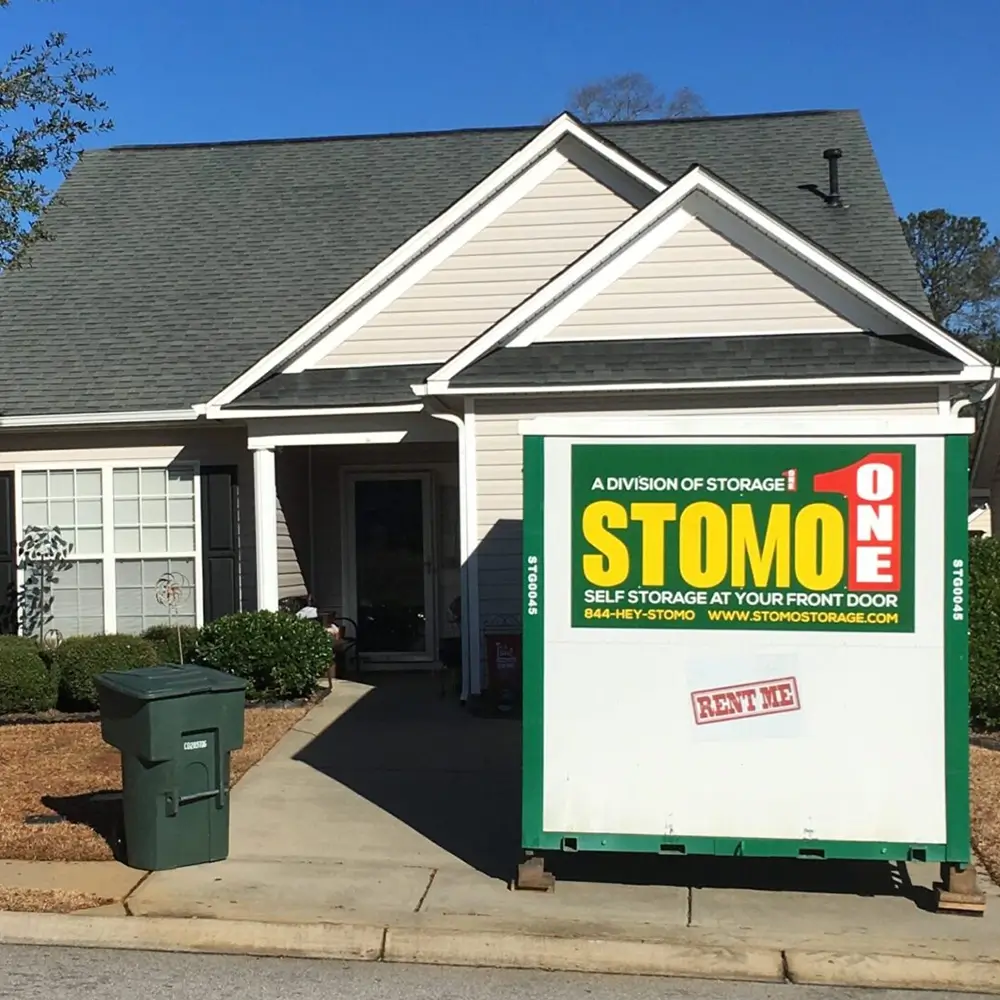
Pack on Your Schedule
Here’s the advantage of using portable storage containers:
Pack at your own pace – A container gets delivered to your driveway. You fill it whenever you want. No time pressure.
No hourly fees – Traditional movers charge by the hour. The longer you take, the more you pay. With portable storage, it’s flat-rate pricing. Take your time.
Container comes to you – Whether you’re in Charleston, Columbia, or Myrtle Beach, the container sits at your house. Pack from your door straight into the container.
Climate considerations –
If you’re doing a coastal move in Charleston or Myrtle Beach, the high humidity means you need to pack books and electronics carefully. Weather-resistant containers protect your stuff. In Columbia and the Midlands, summer heat is intense, so don’t pack candles, chocolate, or anything that melts.
Perfect for:
This works great for people who need time to pack and families with busy schedules. It’s also ideal for anyone renovating before moving, military families with uncertain timelines, college students between semesters, and seniors who are downsizing.
Cost benefits: You save money by packing yourself. You save time by not rushing. You save stress by working on your schedule.
Start Your Stress-Free Move
Moving doesn’t have to be overwhelming. When you know what to pack first when moving, everything falls into place.
Remember the key points:
Start 6-8 weeks before moving day. Pack storage and seasonal items first, but save the kitchen for last. Create an essentials box and keep important items with you. Most importantly, work at your own pace.
Why portable storage helps:
We’re not a big national company. We’re local to South Carolina. We know Charleston’s humidity, Columbia’s heat, and what it’s like to move along the coast. We’re family-owned, and we treat your stuff like it’s our own. With portable storage containers Charleston, you get flat-rate pricing with no surprises, a flexible timeline with no pressure, local service from real people who care, and weather-resistant containers that keep your stuff safe.
Ready to start your move?
Whether you’re moving across town in Charleston, relocating to Columbia, or heading to the beach in Myrtle Beach, portable storage makes it easy. Call STOMO today or get a free quote. Let’s make your move the easiest one you’ve ever had. Moving is stressful enough. Let us take care of the storage and moving part, so you can focus on everything else.
Frequently Asked Questions
When should I start packing for a move?
Start packing 6 to 8 weeks before your moving day. This gives you enough time to pack slowly without feeling rushed. Starting early helps you avoid last-minute stress and lets you pack more carefully.
What items should I pack first when moving?
Pack storage items and seasonal things first, like holiday decorations, off-season clothes, and items in your attic or garage. These are things you won’t need before the move. Next, pack guest rooms, books, and decorations you can live without.
What should I pack last when moving?
Pack your kitchen last because you need to eat and cook until moving day. Also save everyday toiletries, medications, phone chargers, and the clothes you’re currently wearing for last. Keep an essentials box with things you’ll need on the first night in your new home.
How many boxes do I need for moving?
A typical 3-bedroom house needs about 50 to 80 boxes, depending on how much stuff you have. Use small boxes for heavy items like books and large boxes for light items like pillows and linens. Get more boxes than you think you need because you’ll always find more to pack.
Should I hire professional packers or pack myself?
Packing yourself saves money but takes more time and effort. Professional packers can pack your entire home in one day instead of several weeks. If you have the budget and want less stress, hiring packers is worth it, especially for fragile items and busy families.