
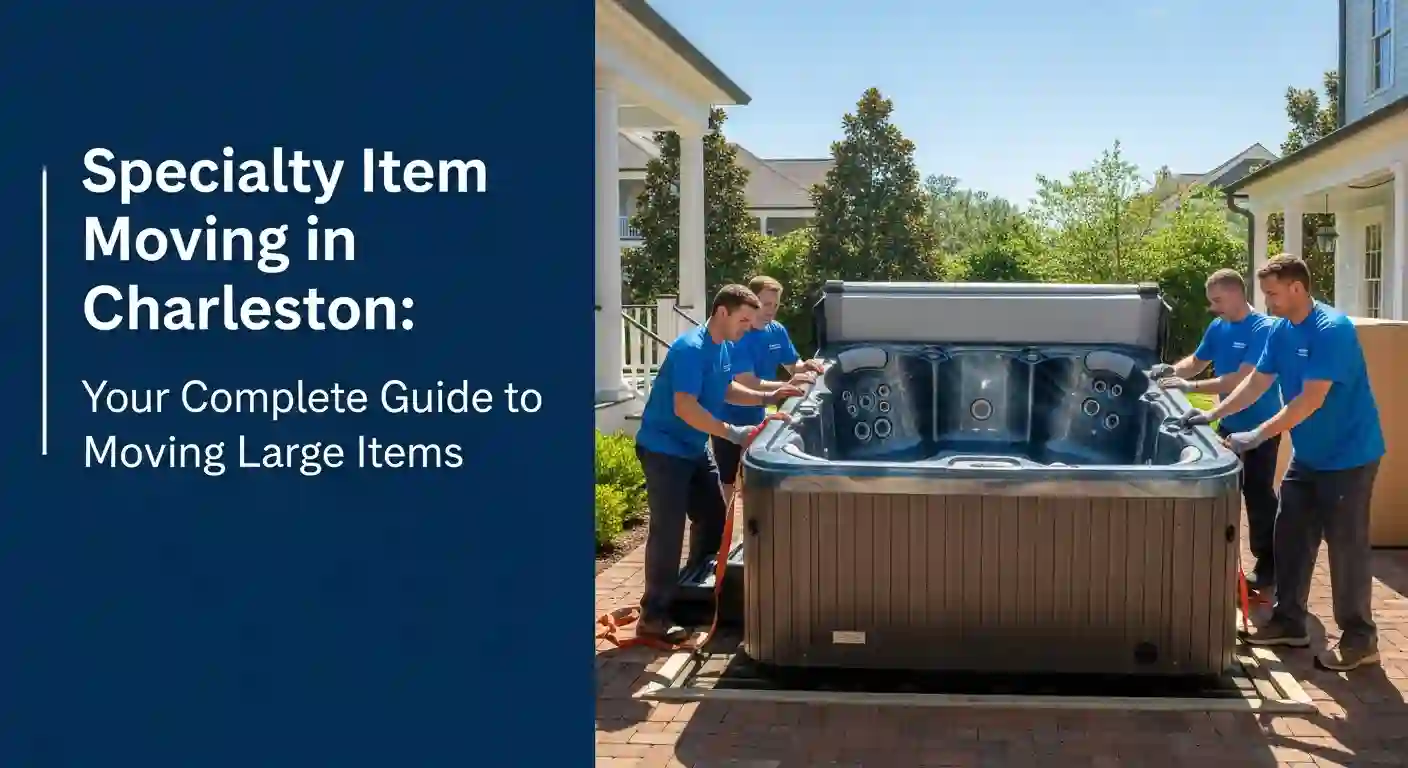
Moving specialty items presents unique challenges that standard household moving doesn’t address. Whether you’re relocating a hot tub to your new island home, moving a piano through a historic Charleston single house, or transporting oversized furniture across the Lowcountry, South Carolina, understanding your options can save you hundreds of dollars and prevent costly damage.
This guide covers everything you need to know about specialty item moving in Charleston, from understanding when you truly need specialized services to finding affordable alternatives that don’t sacrifice quality or safety.
Understanding Specialty Item Moving and What Qualifies
Specialty item moving refers to the relocation of items that require extra care, specialized equipment, or trained expertise beyond what standard household movers typically handle. These are the belongings that can’t simply be wrapped in a blanket and loaded onto a truck alongside your boxes and lamps.
Items that commonly fall into the specialty category include hot tubs and spas, pianos of all types, pool tables with slate surfaces, large sectional furniture, heavy appliances like commercial refrigerators, fine art and antiques, gym equipment such as treadmills and ellipticals, and safes or vaults. Each of these items presents specific challenges related to weight, fragility, size, or technical requirements that demand careful planning and proper handling.
What many people don’t realize is that not every item labeled as “specialty” actually requires premium specialty moving services. Some moving companies charge specialty rates for items that experienced full-service movers handle routinely as part of their standard operations.
Hot Tub Moving: Everything You Need to Know
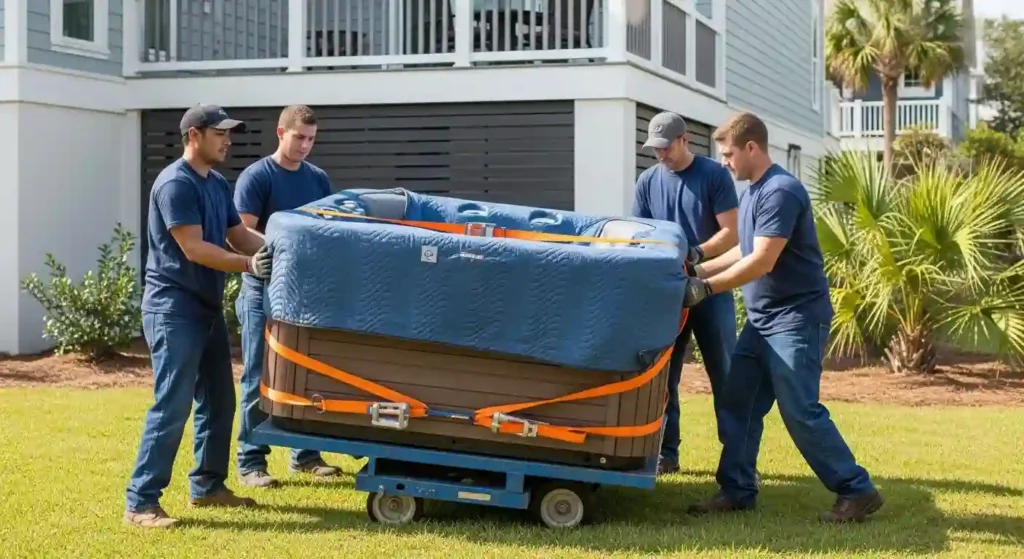
Hot tub moving represents one of the most common specialty moving requests in the Charleston area, particularly given our coastal location and abundance of waterfront properties. Understanding the process, costs, and challenges can help you make an informed decision about how to handle your hot tub relocation.
Can You Actually Move a Hot Tub Yourself?
The question of whether to move a hot tub yourself depends largely on your situation, physical capability, and tolerance for risk. A standard residential hot tub weighs between 400 and 900 pounds when completely empty, and when you add the awkward dimensions of seven to eight feet wide, you’re dealing with an object that’s extremely difficult to maneuver.
Successfully moving a hot tub yourself requires an appliance dolly or furniture sliders, at least four to six strong helpers, tools for disconnecting electrical and plumbing systems, a suitable transport vehicle, heavy-duty straps, and a time investment of six to eight hours or more. The risks include back injuries from improper lifting, cracking the hot tub shell, property damage to doorways and floors, electrical hazards, and potential code violations.
How to Move a Hot Tub: Step-by-Step
Step 1: Drain the Hot Tub Start draining your hot tub 24 to 48 hours before moving day using a submersible pump or the tub’s drain valve. Remove all water completely, as even residual moisture adds significant weight.
Step 2: Disconnect Electrical and Plumbing Hire a licensed electrician to disconnect the power supply, which typically costs $100 to $200. Turn off the water supply and disconnect all plumbing connections carefully.
Step 3: Prepare for Transport Secure the cover, remove loose components, and wrap the shell in moving blankets to prevent damage. Remove side panels if possible to reduce both weight and overall dimensions.
Step 4: Load onto Dolly Use an appliance dolly rated for at least 800 pounds and tilt the hot tub carefully onto it. Secure with heavy-duty straps and coordinate with 4-6 helpers for safe handling.
Step 5: Navigate Your Route Measure all doorways before moving, as most hot tubs are 84 to 96 inches wide and won’t fit through standard 36-inch doorways. You may need to remove door frames or use garage access instead.
Step 6: Transport Safely Load onto a truck with a ramp and secure with multiple straps to prevent shifting during transport. Drive carefully, as every bump and sharp turn puts stress on the hot tub shell.
Step 7: Reinstall at New Location Position the hot tub on a prepared surface and have your electrician reconnect the power. Test all systems before refilling with water.
Hot Tub Moving Costs in Charleston
Understanding the true cost of hot tub moving in Charleston requires looking beyond the initial price quote to consider all expenses and potential risks. DIY hot tub moving typically costs between $200 and $400 when you factor in equipment rental and helper compensation, but this doesn’t account for injury risk or potential damage. Hourly moving companies charge between $600 and $1,200, though the final cost often exceeds estimates when complications arise. Specialty hot tub moving companies typically charge between $800 and $1,500 for their premium services.
Flat-rate moving services like MOVEMO charge between $450 and $750 for hot tub moves, providing professional equipment and trained crews without the uncertainty of hourly billing. The key advantage is knowing your exact cost upfront with no surprises for complications, traffic, or time overruns.
Charleston Hot Tub Moving Challenges
Moving hot tubs in Charleston presents unique obstacles that don’t exist in newer cities. Historic downtown homes feature narrow staircases typically measuring 36 to 42 inches wide, doorways often shorter than modern seven-foot standards, and original hardwood floors requiring careful protection.
Island locations including Sullivan’s Island, Kiawah, Isle of Palms, and Edisto bring additional challenges. Bridge weight restrictions may limit when you can transport heavy items, parking permits must be secured 48 hours in advance, and many communities have specific delivery windows and HOA requirements. The coastal climate also affects hot tub moving, with salt air potentially damaging exposed surfaces during transport and humidity considerations for storage between moves.
Piano Moving in Charleston
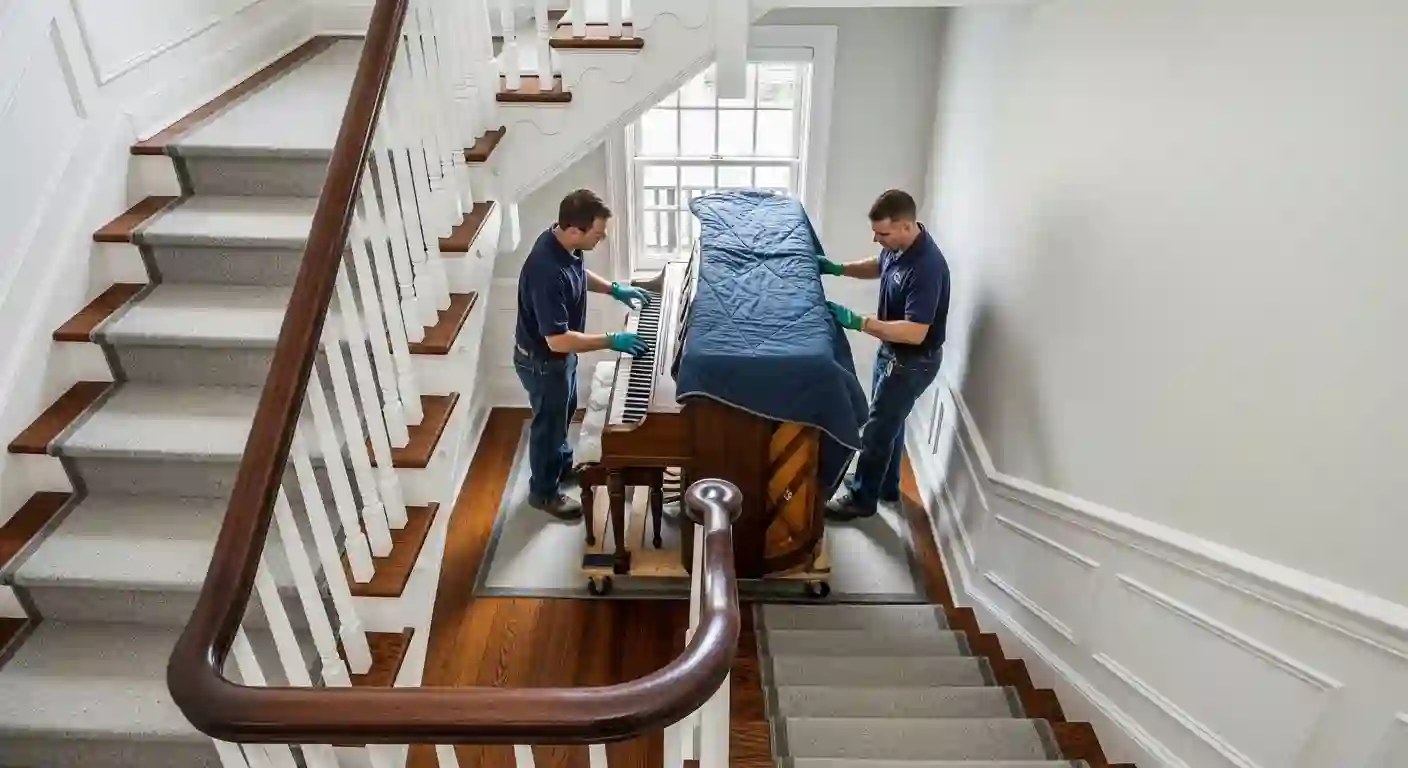
Piano moving represents another common specialty moving request throughout the Charleston area. Understanding the different types of pianos and their specific requirements helps you choose the right moving approach.
Types of Pianos and Their Moving Requirements
Upright pianos including console, spinet, and studio models typically weigh between 300 and 500 pounds. Experienced movers with proper equipment can handle these instruments without requiring true piano specialists, with costs ranging from $400 to $650 compared to the $700 to $1,000 that piano specialists typically charge.
Baby grand and grand pianos weigh between 500 and 800 pounds and require leg removal and specialized padding for safe transport. Moving costs for these pianos typically range from $800 to $1,200. Concert grand pianos, especially those valued at $15,000 or more, truly do require specialized piano moving services with climate-controlled transport and custom crating, costing between $1,500 and $3,000.
Charleston Piano Moving Challenges
Moving pianos through Charleston’s historic architecture requires understanding the specific obstacles these old homes present. Narrow staircases in Charleston single houses typically measure 36 to 48 inches wide with tight turns, while low doorways in historic homes often measure under seven feet tall. Original flooring throughout Battery homes and downtown properties needs protection during every phase of the move, and second-floor piano locations sometimes require window hoisting when staircases prove too narrow.
Moving Other Specialty Items and Heavy Furniture
Beyond hot tubs and pianos, many other items get classified as specialty when they could be handled by experienced general movers.
Large furniture including sectional sofas, solid wood armour, and entertainment centers often carries a specialty label despite being routine for professional movers. Heavy appliances like commercial-grade refrigerators, stacked washer and dryer units, and wine refrigerators move without issue using proper equipment. Gym equipment including treadmills, ellipticals, and weight machines can be disassembled when needed and moved safely by experienced movers.
When You Actually Need Specialty Movers
Some items genuinely do require specialized moving services. Pool tables absolutely need speciality movers because slate surfaces must be professionally leveled and felt requires expert reinstallation, typically costing between $500 and $900. Fine art collections valued at $25,000 or more benefit from white glove art moving services with climate-controlled transport and custom crating. Irreplaceable antiques and gun safes weighing over 1,000 pounds also require true specialty services.
The honest approach is recognizing what your moving company can handle well and when you need to bring in a specialist. Reputable movers will tell you when an item exceeds their capabilities rather than risking damage to your valuable belongings.
The Flat-Rate Advantage for Moving Specialty Items
Understanding the difference between hourly and flat-rate pricing reveals why specialty item moves often cost more than necessary. Hourly moving companies face a fundamental conflict of interest because the longer a move takes, the more money they make. Traffic delays, difficult access, and complications all increase the final bill.
Flat-rate moving services quote a single price based on the scope of work, and that price doesn’t change regardless of how long the job takes or what complications arise. This alignment of interests means you get focused, professional work without watching the clock and calculating costs.
Charleston’s Unique Moving Challenges for Specialty Items
The Charleston area presents specific obstacles that affect specialty items moving in ways that don’t apply to newer cities. Downtown Charleston’s narrow streets require careful planning for truck access and parking, with many streets not allowing large moving trucks. Building access restrictions apply throughout the historic district, with many Battery homes and Rainbow Row properties having HOA requirements for delivery hours. Floor protection becomes critical in homes with original hardwood, heart pine flooring, and historic tile.
Island and coastal moving brings additional considerations. Sullivan’s Island requires beach access permits and has specific parking restrictions. Kiawah Island involves security gate coordination and strict delivery windows. Isle of Palms features connector bridge weight restrictions. Hurricane season planning affects all coastal areas, as homeowners may need to evacuate valuable items to protected inland storage when storms threaten.
Making the Right Choice for Your Charleston Move
Moving speciality items doesn’t require premium pricing or risky DIY attempts. Understanding what truly needs specialists versus what experienced movers handle routinely protects your belongings and budget. STOMO‘s flat-rate service handles hot tubs, upright pianos, large furniture, and heavy appliances and throughout Charleston and the Lowcountry. Our pricing includes all equipment and trained crews with no hourly billing surprises.
Contact us for a free flat-rate quote or call to discuss your specialty moving needs.
Frequently Asked Questions About Specialty Item Moving
What’s the best way to move a hot tub?
Professional movers with proper equipment provide the safest and most reliable option for hot tub moving. Flat-rate moving services handle hot tubs with specialized equipment and trained crews for $450 to $750 in the Charleston area.
How do you move a hot tub with just two people?
You can’t safely move a hot tub with only two people, as standard residential hot tubs weigh 400 to 900 pounds empty. Minimum four people are required for any DIY hot tub move, though professional movers are strongly recommended.
How much does hot tub moving cost in Charleston?
Hot tub moving costs range from $200 to $400 for DIY approaches, $450 to $750 for professional flat-rate movers, $600 to $1,200 for hourly moving companies, and $800 to $1,500 for specialty hot tub movers.
Can regular movers handle piano moving?
Experienced full-service movers handle upright pianos regularly using proper equipment and technique. Specialty piano movers are only necessary for high-value instruments worth $15,000 or more or concert grands requiring climate-controlled transport.
When should I hire specialty movers instead of regular movers?
Hire specialty movers when you have items worth $15,000 or more requiring climate-controlled transport, pool tables needing professional disassembly and leveling, safes weighing over 1,000 pounds, or items requiring custom crating and white glove service.