When you need extra space for your belongings, choosing between portable storage and traditional storage can feel overwhelming. Both options have their benefits, but which one fits your needs better? In this guide, we’ll break down the differences between portable storage containers and traditional self-storage units to help you make the right decision for your situation.
What is Portable Storage?
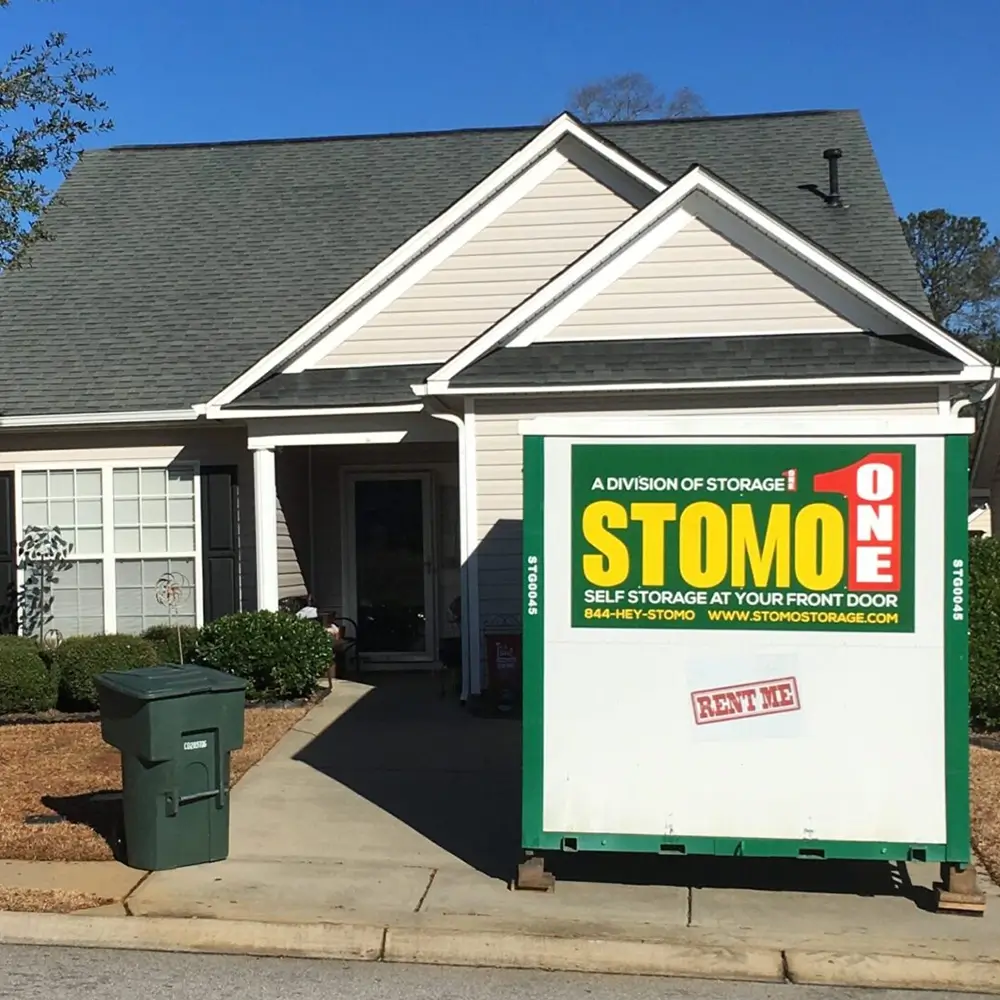
Portable storage is a storage solution where a weather-resistant container is delivered directly to your home or business. You can load your belongings at your own pace, and when you’re ready, the storage company either picks up the container to store it at their secure facility or leaves it on your property for as long as you need it.
The biggest advantage of portable storage is convenience. You don’t need to rent a truck or make multiple trips to a storage facility. The container comes to you, sits in your driveway or parking area, and you can pack it whenever it fits your schedule. Once you’re done loading, just call the company and they’ll handle the rest. If you’re moving, they can even deliver the same container to your new address, which means you only pack and unload your items once.
Portable storage containers typically come in a few standard sizes, usually ranging from 7 to 16 feet in length. They’re built to withstand weather conditions and are designed to keep your belongings safe and dry.
What is Traditional Storage?
Traditional storage, also called self-storage, is a rental unit located at a storage facility where you transport and store your belongings yourself. You rent a unit of a specific size, bring your items to the facility, and can access them during the facility’s operating hours.
With traditional storage, you’re responsible for getting your items to and from the facility. This usually means renting a truck or using your own vehicle to transport everything. The units are typically located in large buildings or outdoor lots, with various sizes available to choose from. You get a key or access code to your unit and can visit as often as needed during business hours.
Traditional storage facilities have been around for decades and are widely available in most cities and towns. They often offer features like climate control, 24/7 access (at some facilities), and on-site security with cameras and gated entry.
Key Differences Between Portable and Traditional Storage
The main difference comes down to logistics and convenience. With portable storage, the container comes to you. With traditional storage, you go to the storage unit.
Location and Access: Portable storage can sit right on your property, giving you constant access. Traditional storage requires you to drive to a facility, which might be miles away from your home.
Loading Process: Portable containers are loaded at ground level, making it easier to move heavy items in and out. Traditional units might require you to navigate stairs, elevators, or long hallways, especially if your unit is on an upper floor.
Flexibility: Portable storage gives you days or weeks to load at your own pace. With traditional storage, you typically need to move everything in one or two trips, especially if you’re renting a moving truck by the day.
Cost Structure: Portable storage often includes delivery, pickup, and the first month of storage in one price. Traditional storage charges monthly rent, and you’ll need to factor in transportation costs separately.
Pros and Cons of Portable Storage
Advantages:
Convenience: The biggest benefit is having the storage container delivered right to your door. No need to rent a truck, drive back and forth, or rush to finish loading in one day.
Flexible Loading Time: You can take several days or even weeks to load your container. This is especially helpful during moves or renovations when you’re juggling multiple tasks.
One-Time Packing: If you’re moving, you pack once and the container goes directly to your new location. This reduces the risk of damage from multiple handlings.
Ground-Level Access: No stairs, ramps, or elevators to deal with. Everything loads at ground level, which is easier on your back and makes moving heavy furniture simpler.
Disadvantages:
Space Requirements: You need enough space on your property for the container. If you live in an apartment or have a small driveway, this might not be possible.
Limited Climate Control: Most portable storage containers don’t offer climate-controlled options. If you’re storing temperature-sensitive items like electronics or wooden furniture, this could be an issue.
HOA Restrictions: Some neighborhoods or homeowners associations don’t allow storage containers on properties, even temporarily.
Fewer Size Options: Portable containers typically come in just a few standard sizes compared to the wide range of unit sizes at traditional facilities.
Pros and Cons of Traditional Storage
Advantages:
Wide Range of Sizes: Traditional facilities offer units from small 5×5 lockers to large spaces that can hold an entire house worth of belongings. You can rent exactly the size you need.
Climate Control Available: Many facilities offer climate-controlled units that maintain consistent temperature and humidity levels, protecting sensitive items.
Easy Access: You can visit your storage unit during operating hours without scheduling a delivery. Some facilities even offer 24/7 access.
Security Features: Most storage facilities have multiple security layers including gated access, surveillance cameras, individual unit alarms, and on-site managers.
Disadvantages:
Transportation Required: You need to rent a truck or make multiple trips in your vehicle to move items to and from the facility.
Physical Effort: Loading and unloading requires more work, especially if your unit isn’t on the ground floor or close to the entrance.
Time Constraints: You’re limited to the facility’s access hours, which means you can’t grab items late at night or early morning unless they offer 24/7 access.
Ongoing Costs: Besides monthly rent, you might pay for transportation, moving help, and additional fees for climate control or premium locations within the facility.
Which One Should You Choose?
The right choice depends on your specific situation and storage needs. Understanding when each option works best will help you make the right decision.
When Portable Storage is Your Best Option
Portable storage is ideal if you’re moving and want a one-step process where you pack once and your items go directly to your new location. It’s perfect for home renovations when you need temporary storage at your property. If you have space on your property for a container and want to pack at your own pace over several days, portable storage offers that flexibility. This option works best when you don’t need frequent access to stored items and you’re storing things short-term, typically a few weeks to a few months.
When Traditional Storage Makes More Sense
Traditional storage is the better option when you need climate control to protect sensitive items like electronics, wooden furniture, or important documents. If you don’t have space for a container on your property or local regulations prohibit it, traditional facilities provide the solution. Choose traditional storage when you need frequent access to your belongings or you’re storing items long-term for six months or more. Traditional facilities offer more size options and established security with gated access, surveillance cameras, and on-site staff.
Many people find that portable storage works best for moves and short-term projects, while traditional storage is better for long-term needs and when climate control matters. Consider your timeline, budget, and how often you’ll need to access your items when making your decision.
Need help deciding between portable and traditional storage? At Stomo Storage, we understand that every storage situation is unique. Whether you’re downsizing, renovating, moving, or just need extra space, we’re here to help you find the right solution. Contact us today to discuss your storage needs and get a free quote.
Frequently Asked Questions
Is portable storage more expensive than traditional storage?
Portable storage can be more cost-effective for short-term needs and moves because it eliminates truck rental and multiple trips. However, traditional storage often costs less for long-term monthly rentals. The total cost depends on how long you need storage and whether you factor in transportation expenses.
How long can I keep a portable storage container?
Most portable storage companies let you keep the container as long as you need it, whether that’s a few days, weeks, months, or even longer. You can keep it on your property or have it stored at the company’s facility. Rental terms vary by company, so check with your provider.
Can I access my items if they’re in a portable storage container at a facility?
Yes, but you’ll need to schedule access in advance. The storage company will need to retrieve your container from where it’s stacked in their facility and make it available for you. This is different from traditional storage where you can walk up to your unit during business hours.
Do portable storage containers protect against weather?
Yes, portable storage containers are designed to be weather-resistant and waterproof. They protect your belongings from rain, snow, and moisture. However, they’re not climate-controlled, so the temperature inside will fluctuate with outdoor conditions.
What size storage option should I choose?
For portable storage, an 8-foot container fits about one room’s worth of items, while a 16-foot container can hold two to three rooms. For traditional storage, a 5×10 unit is similar to a walk-in closet, and a 10×20 unit can store a three-bedroom house. Most companies offer size calculators on their websites to help you estimate.