
Are you planning a move in Charleston, SC and not sure which portable storage container size you need? You are not alone. This is one of the most common questions people have before they book a container. Pick one that is too small and your belongings will not fit. Pick one that is too big and you are paying for space you do not need. Either way, it costs you more money and more stress. This guide will walk you through everything you need to know so you can make the right choice the first time.
Table of Contents
- What Is a Portable Storage Container?
- Common Portable Storage Container Sizes and What They Mean
- The 16-Foot Portable Storage Container
- The 20-Foot Portable Storage Container
- Which Size Do You Need? A Guide by Home Type
- How to Choose the Right Portable Storage Container Size
- Charleston, SC Considerations When Choosing a Container Size
- How to Pack a Portable Storage Container the Right Way
- What You Can and Cannot Store in a Portable Storage Container
- Is the Larger Container Worth the Extra Monthly Cost?
- Frequently Asked Questions
Quick Summary
| Takeaway | Explanation |
| The 16-foot container fits most 1–2 bedroom homes. | It holds the same amount as a 20-foot moving van and works well for apartments, small homes, and partial renovations. |
| The 20-foot container is best for 3–4 bedroom homes. | It gives you 25% more space than the 16-foot option and handles full family moves, large furniture, and garage items. |
| The price difference between the two sizes is very small. | The 20-foot container costs only around $21 more per month but gives you significantly more room to work with. |
| Charleston homeowners need to think about driveways and HOAs. | Historic neighborhoods have tight driveways, and many newer subdivisions have HOA rules about where containers can be placed. |
| Coastal humidity and storm season affect your storage choice. | Charleston’s weather makes weathertight containers essential, and storm packout situations almost always call for the larger size. |
| Smart packing lets you fit more in any container size. | Loading heavy items first, stacking boxes floor to ceiling, and disassembling furniture can dramatically increase usable space. |
1: What Is a Portable Storage Container?
A portable storage container is a strong steel box that gets delivered straight to your home. You pack it at your own pace. When you are ready, the company picks it up and moves it or stores it for you.
This is very different from a traditional self-storage unit. With self-storage, you have to rent a truck, make multiple trips across town, and work around the facility’s opening hours. With a portable container, the storage comes to you. You can pack it over a few days or even a couple of weeks with no rush and no truck rental needed.
Most portable storage containers are weathertight and built with secure double door access. They are designed to handle heat, heavy rain, and humidity, which makes them a practical choice for South Carolina’s coastal climate. Key advantages of portable storage containers include:
- Delivered directly to your home or job site
- Pack at your own pace with no time pressure
- Access your belongings any time without driving to a facility
- Weathertight steel construction protects against rain and humidity
- Flexible monthly rentals with no long-term contracts
For homeowners in the Charleston area planning a move or renovation, our portable storage Charleston page explains how the delivery and pickup process works from start to finish.
2: Common Portable Storage Container Sizes and What They Mean
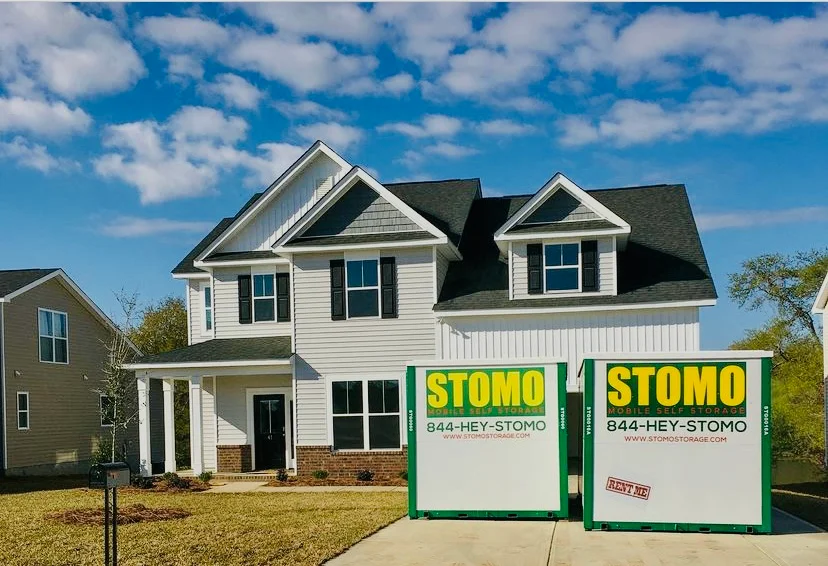
When a company lists container dimensions, they are giving you the exterior measurements. The interior is slightly smaller because of the thickness of the steel walls. Always ask for interior dimensions if you need to fit a specific large piece of furniture through the doors. Door width and height also matter. Most standard container doors open to around 7 to 8 feet wide and about 7 to 8 feet tall, which is enough to fit large sofas, appliances, and bed frames without any issue.
Cubic footage is the most accurate way to compare sizes. A 16-foot container gives you roughly 1,000 cubic feet of storage space. A 20-foot container gives you around 1,200 to 1,300 cubic feet. That extra 4 feet of length adds up to about 25% more usable space, which can make a big difference when you are packing up a whole household.
Below is a side-by-side comparison of the two most popular portable storage container sizes:
| Feature | 8 × 16 Container | 8 × 20 Container |
| Dimensions | 8′ × 8′ × 16′ | 8′ × 8′ × 20′ |
| Monthly Price | $224 / month | $245 / month |
| Moving Van Equal | 20-foot van | 24-foot van |
| Extra Space | Base size | +25% more room |
| Best For | 1–2 bedroom homes | 3–4 bedroom homes |
| Packing Capacity | 30–45 boxes | 50–70 boxes |
| Price Difference | Base price | Only $21 more/month |
3: The 16-Foot Portable Storage Container
The 16-foot container is one of the most popular sizes for residential moves. It holds roughly the same amount as a 20-foot moving van, which is a helpful comparison if you have rented a moving truck before and already have a sense of how much space that gives you.
This size works well for a studio apartment, a one-bedroom apartment, or a smaller two-bedroom home. If you pack smartly and use the vertical space well, you can fit a surprising amount into this size. A typical load for a 16-foot container includes:
- King or queen bed frame and mattress
- Dresser and nightstands
- Sofa and armchair
- Dining table with chairs
- TV and entertainment center
- Washer and dryer
- 30 to 45 moving boxes of different sizes
The 16-foot container is also the better choice when your property has limited space. If you have a short driveway, a narrow lot, or an HOA with restrictions on container placement, the smaller footprint of a 16-foot unit is much easier to work with than a longer container. College students at the College of Charleston or The Citadel moving between apartments will also find this size a comfortable fit for their belongings.
4: The 20-Foot Portable Storage Container
The 20-foot container is the go-to size for families and larger homes. It holds roughly the same amount as a 24-foot moving van and gives you about 25% more space than the 16-foot option, usually for only a small increase in monthly cost.
This size is well suited for a two-bedroom home, a three-bedroom home, or a four-bedroom home depending on how much furniture you have. A typical load for a 20-foot container includes:
- Multiple full bedroom sets
- Complete living room and dining room furniture
- Large sectional sofa and oversized chairs
- Major appliances including washer, dryer, and refrigerator
- Garage items such as tools, bikes, and lawn equipment
- Patio and outdoor furniture
- 50 to 70 moving boxes of different sizes
If you are ever on the fence between a 16-foot and a 20-foot container, the 20-foot is almost always the smarter choice. The price difference between the two sizes is usually small, but the extra space can save you from having to rent a second container later, which costs far more. Military families at Joint Base Charleston and homeowners going through full renovations consistently find the 20-foot to be the right call.
5: Which Size Do You Need? A Guide by Home Type
Not sure which size fits your home? The table below matches your home type to the right container size based on what most people need. This is the simplest way to get a quick answer before you call for an estimate.
| Home Type | Recommended Size | Notes |
| Studio / Dorm Room | 8 × 16 | Fits easily with room to spare |
| 1 Bedroom Apartment | 8 × 16 | Perfect fit for most apartments |
| 2 Bedroom Home | 8 × 16 or 8 × 20 | Upgrade if you have large furniture |
| 3 Bedroom Home | 8 × 20 | Best option for full family moves |
| 4+ Bedroom Home | 8 × 20 (or 2 units) | Call for a free sizing estimate |
| Partial Renovation (1–2 rooms) | 8 × 16 | Great for clearing rooms during work |
| Full Home Renovation | 8 × 20 | Handles everything while work is done |
| Flood or Storm Packout | 8 × 20 | Bigger is always better in emergencies |
For very large homes over 2,500 square feet or homes with a lot of garage and outdoor items, you may want to rent two units. A good storage provider will help you estimate based on your specific situation before you commit to anything.
6: How to Choose the Right Portable Storage Container Size
Choosing the right size comes down to five simple questions. Work through each one and your answer will become clear.
The first question is how much furniture and how many boxes do you have? Before you book anything, do a rough count. Walk through every room and note your large furniture pieces, then estimate your boxes. A good rule of thumb is that a fully packed one-bedroom apartment produces around 30 to 40 boxes. A three-bedroom home can produce 60 to 80 boxes or more depending on how long you have lived there.
The second question is what is your single biggest item? Sometimes the deciding factor is not the total volume of your belongings but one specific piece. A large sectional sofa, a piano, or a pool table may require a longer container just to fit through the door and lie flat. Always measure your largest pieces before you choose a size.
The third question is how often do you need to access your belongings? If you need to get in and out of the container regularly while it is sitting on your property, you need extra room to move around inside. A container packed wall to wall is fine for a one-time move, but if you need to retrieve items frequently, give yourself some breathing room by choosing the larger size.
The fourth question is how much space do you have on your property? A 20-foot container needs more room to be placed and more clearance for the delivery truck to maneuver. If your driveway is short or your neighborhood has tight streets, a 16-foot container may simply be the more practical option regardless of how much stuff you have.
The fifth question is how long do you need the container? For short-term moves of a week or two, almost any size will work. For longer stays during a renovation or a delayed closing on a new home, you want a size that gives you enough room to stay organized rather than digging through a tightly packed container every time you need something.
7: Charleston, SC Considerations When Choosing a Container Size
Charleston is not like most cities, and that affects how you should think about portable storage containers here. A few factors are unique to this area and worth knowing before you book.
Driveway and property space is the first thing to think about. Historic homes in downtown Charleston, the Peninsula, and older neighborhoods often have short driveways, shared lots, or no driveway at all. In these situations, a 16-foot container is easier to place and requires less clearance for delivery. Always confirm with your provider that they have delivered to similar properties in your neighborhood before you finalize the size.
HOA rules are another factor that comes up frequently in newer Charleston communities. Subdivisions in places like Carnes Crossroads, Nexton, and Daniel Island often have guidelines about how long a container can sit on a property, where it can be positioned, and what it can look like from the street. Check your HOA rules before you schedule a delivery so there are no issues after the container arrives.
According to the Charleston County Planning and Development Review Department, certain areas of Charleston have zoning guidelines that affect temporary structure placement. Checking these rules before your delivery saves you time and avoids potential fines.
Charleston’s coastal weather is a real consideration for anyone storing belongings for more than a few days. The city’s heat, humidity, and hurricane season make weathertight containers important. If you are storing items for several weeks or longer, choosing the larger size gives you more room to space things out inside. Better spacing means better air circulation, which reduces the risk of moisture building up between boxes and furniture over time.
Storm and flood packouts are something that sets Charleston apart from most other cities. Low-lying neighborhoods like West Ashley, James Island, and parts of North Charleston see regular flooding after heavy rain or a major storm. When floodwater or storm damage affects a home, you need to move your belongings out quickly so repair and restoration crews can get started. In these situations, the larger container is almost always the right call. Having enough space to load everything in a single trip saves time and protects your belongings when every hour counts.
8: How to Pack a Portable Storage Container the Right Way
Getting the size right is only half the battle. Packing well means you can fit more in the space you have and keep your belongings safe during storage and transport.
Start by loading your heaviest and largest furniture first and pushing it all the way to the back of the container. Dressers, dining tables, bed frames, and large appliances should go in first. After the large items are placed, stack your boxes from floor to ceiling with the heaviest boxes on the bottom and lighter ones on top. Key packing tips that maximize your container space include:
- Take apart bed frames and large bookshelves before loading — disassembling furniture creates a surprising amount of extra space
- Use soft items like blankets, pillows, and towels to fill gaps between furniture pieces
- Leave a small walkway down the center of the container so you can reach items stored at the back
- Write labels on the sides of your boxes, not the tops, so you can read them when boxes are stacked
- Pack the things you need to access most often near the front of the container, close to the doors
If you need professional help loading or unloading your container, our Carolina moving and storage team can handle the heavy lifting for you so nothing gets damaged in the process.
9: What You Can and Cannot Store in a Portable Storage Container
Portable storage containers work well for household furniture, appliances, clothing, kitchenware, books, tools, bikes, lawn equipment, and business inventory. If it came out of your home, garage, or office, it can almost certainly go in a container.
There are a few things that should not go into any portable storage container regardless of size. Knowing these restrictions before you pack saves you from problems on delivery day:
- Flammable or explosive materials like gasoline, propane, and paint
- Perishable food and live plants
- Anything illegal or controlled substances
- Live animals of any kind
- Irreplaceable documents, valuables, or large amounts of cash
For irreplaceable documents and high-value items, keep those in a secure location rather than a storage container. According to the Federal Emergency Management Agency, protecting important documents and valuables during a move or disaster recovery is best handled with a fireproof safe or secure facility rather than temporary outdoor storage.
10: Is the Larger Container Worth the Extra Monthly Cost?
This is the question most people ask before they book. The answer is almost always yes. The price difference between a 16-foot and a 20-foot portable storage container is usually small, often around $20 to $30 more per month. For that small increase, you get 25% more storage space.
If you are even slightly unsure whether everything will fit in the smaller unit, it is smarter to go with the larger one from the start. If you pack the smaller container and run out of room, renting a second container will cost far more than the monthly difference between sizes. Most providers also use flat-rate pricing, which means the price you see is the price you pay with no surprise fees added on at the end.
Below is a full summary of all key information covered in this guide to help you make your final decision:
| Topic | 8 × 16 Container | 8 × 20 Container |
| Dimensions | 8′ × 8′ × 16′ | 8′ × 8′ × 20′ |
| Monthly Rate | $224/month | $245/month |
| Equivalent Van | 20-foot moving van | 24-foot moving van |
| Box Capacity | 30–45 boxes | 50–70 boxes |
| Best Home Size | Studio to 2 bedrooms | 2 to 4+ bedrooms |
| Ideal For | Apartments, small homes, partial renovations | Family moves, full renovations, flood packouts |
| Charleston Fit | Better for tight driveways and historic neighborhoods | Better for full household moves and storm recovery |
Make Your Charleston Move Easier With Local Help
Choosing the right portable storage container size comes down to knowing your home size, your belongings, your property, and your timeline. For a studio or one-bedroom home, a 16-foot container is the right fit. For a two-bedroom or larger home, step up to the 20-foot. When in doubt, go bigger. The small extra cost is always worth it compared to the headache of running out of space.
Explore our South Carolina storage and moving services to see how STOMO helps homeowners, renters, and families across Charleston keep their move or renovation stress-free.
Let STOMO handle the details while you focus on settling into your new home. As a South Carolina family business, we offer flexible, weathertight portable storage containers in Charleston, flat-rate moving, and a caring local team that knows every neighborhood in the area. Get your free estimate today at stomostorage.com so you can focus on the move and leave the rest to us.
Frequently Asked Questions
What size portable storage container do I need for a 3-bedroom house in Charleston?
For most three-bedroom homes, a 20-foot container is the right choice. It gives you enough room for all your furniture, appliances, and boxes without cramming everything in. If your home is very large or you have a lot of garage items, consider renting two units.
What is the difference between a 16-foot and a 20-foot portable storage container?
The 20-foot container is about 25% larger and holds the equivalent of a 24-foot moving van compared to the 20-foot van capacity of the 16-foot unit. The price difference is usually small, making the upgrade a good value for most people.
Can I access my container while it is sitting on my property?
Yes. Because the container is at your own home, you can open it any time you want with no facility hours or access restrictions. This is one of the biggest advantages of portable storage over traditional self-storage units.
How do portable storage containers handle Charleston’s rain and humidity?
Quality portable storage containers are weathertight and built to keep rain and humidity out. For longer storage periods in South Carolina’s climate, choose a larger size so you can space items out and allow for better air circulation inside the unit.
How long can I keep a portable storage container at my home?
Most portable storage companies offer flexible monthly rentals with no long-term contracts required. Rental periods can range from a few weeks to several months depending on your needs and your timeline.
Recommended
- Portable Storage Units vs Self Storage: Which Is Best for Your Charleston Move?
- How to Pack a Mattress for Moving in Charleston, SC
- Moving From Apartment to Apartment: A Guide for Charleston Residents
- What to Pack First When Moving: A Guide for Charleston Homeowners
- Where to Get Moving Boxes for Free in South Carolina