
Moving after retirement should be an exciting new chapter, but for many seniors, it feels overwhelming instead. About one in seven Americans over 65 will move at least once in their retirement years, and the reality is rarely as simple as downsizing from a house to an apartment.
These aren’t just belongings being packed away. They’re decades of memories tucked into attic boxes, kitchens filled with family recipes, and living rooms that held countless celebrations. Add in physical limitations or health concerns, and what should be a fresh start can quickly become a source of stress and anxiety.
But it doesn’t have to be this way. With the right support and specialized planning, moving can become what it’s meant to be: a positive transition that honors a senior’s story while embracing what comes next. The key is approaching each move with sensitivity, prioritizing safety, and recognizing that every person’s journey is different.
Key Takeaways
| Point | Details |
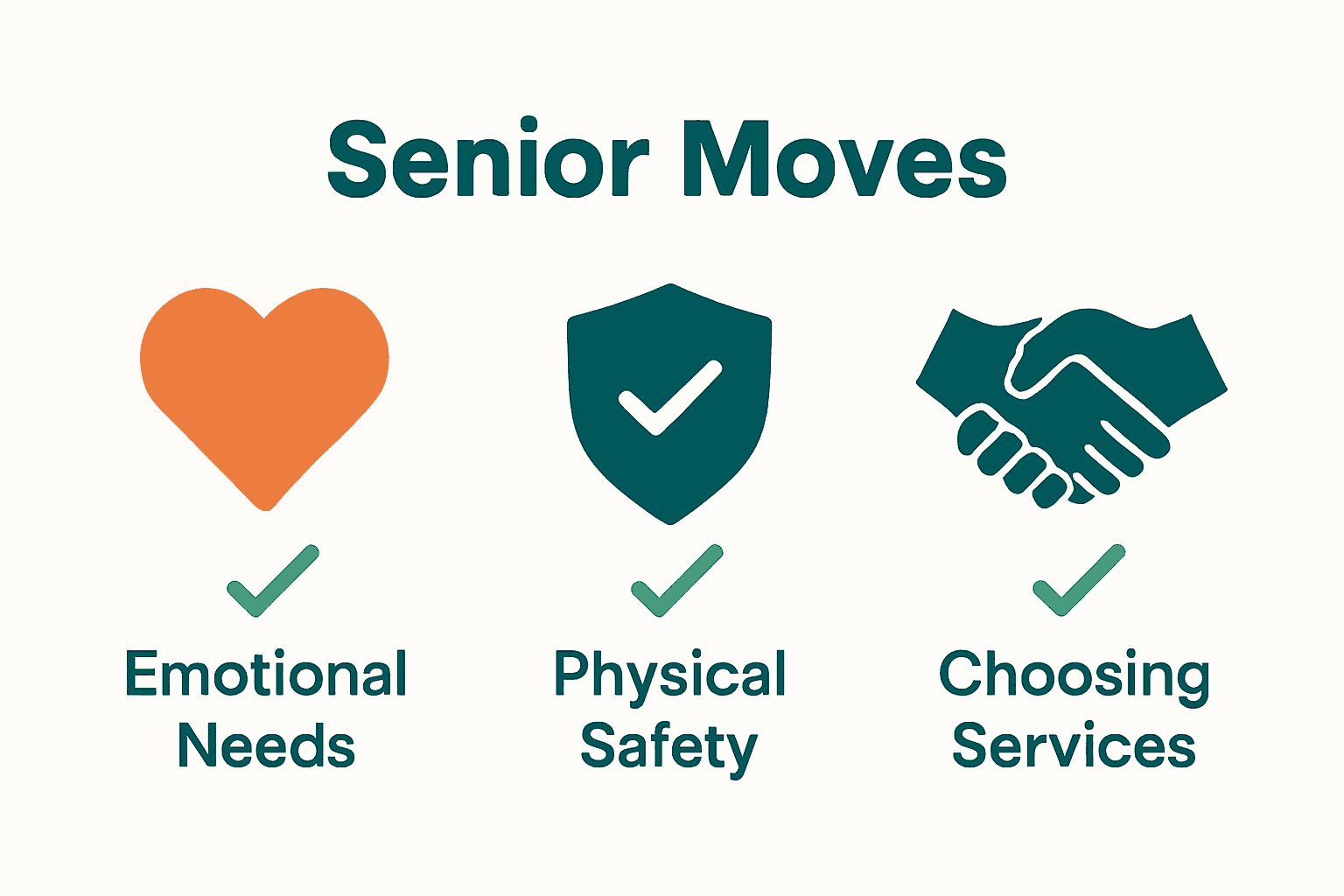
| Emotional Support | Seniors require emotional assistance during relocation due to the profound impact of downsizing and letting go of possessions. Involve family and transition specialists to ease the process. |
| Safety and Accessibility | Prioritize safety by arranging for professional packing and transportation, ensuring mobility features are accommodated in the new living space. |
| Planning and Organization | Start planning early with a detailed timeline and inventory to reduce stress and manage physical and emotional challenges effectively. |
| Choosing the Right Services | Select moving companies specializing in senior relocations with appropriate credentials and positive reviews to ensure a supportive transition experience. |
 |
|
Table of Contents
Understanding the Unique Needs of Senior Moves
Moving for seniors isn’t just another transition – it’s a complex life event fraught with emotional and physical challenges. Senior relocations require a nuanced approach that goes beyond simple packing and transportation. According to research from academic sources, seniors face unique mobility, emotional, and cognitive hurdles during relocation that demand specialized understanding and support.
The emotional landscape of moving for older adults is particularly intricate. Downsizing decades of personal possessions isn’t merely a logistical task – it’s an intensely personal journey involving memory, identity, and letting go. Many seniors experience significant stress during this process, as each item represents a fragment of their life story. Our guide on understanding the best moving companies for seniors can help navigate these complex emotional terrains.
Physical considerations are equally critical. Mobility limitations dramatically increase potential moving risks, making professional assistance not just convenient but essential. Certified Relocation and Transition Specialists (CRTS) play a crucial role here, helping older adults manage personal assets, address potential health concerns, and navigate family dynamics during relocation. Their expertise ensures that senior moves aren’t just about changing physical spaces, but about maintaining dignity, independence, and emotional well-being.

Key considerations for senior moves include:
-
Minimizing physical strain and injury risks
-
Providing emotional support during transition
-
Maintaining a sense of control and personal agency
-
Ensuring safe, comfortable transportation of cherished belongings
-
Creating a supportive environment in the new living space
Planning a Stress-Free Senior Relocation
Successful senior relocations begin with strategic planning and compassionate support. Preparing for a move isn’t just about boxing up belongings – it’s about creating a smooth, dignified transition that preserves the senior’s sense of independence and emotional well-being. The key is breaking down the complex process into manageable, supportive steps that reduce anxiety and physical strain.
Key Planning Strategies
Effective relocation planning requires a holistic approach that addresses practical and emotional needs. Start by creating a comprehensive moving timeline at least 2-3 months in advance. This allows ample time for sorting, downsizing, and making thoughtful decisions about cherished possessions. Learn more about our family-friendly moving strategies that can be adapted for senior relocations.
Prioritize communication and involvement throughout the process. Seniors should feel empowered and in control, not overwhelmed. Consider involving family members or professional transition specialists who can provide emotional support and practical assistance. Creating a collaborative environment helps mitigate the stress and uncertainty often associated with major life changes.
Practical Preparation Checklist
To ensure a smooth transition, focus on these critical planning elements:
-
Conduct a thorough inventory of current belongings
-
Decide what to keep, donate, or pass down to family
-
Arrange for professional packing and moving services
-
Prepare medical records and transfer healthcare provider information
-
Set up the new living space before moving day
-
Create a comfortable, familiar environment in the new home
Remember, a successful senior move is about more than logistics – it’s about preserving dignity, maintaining emotional connections, and creating a positive new chapter in life.
Here’s a comparison of key considerations for senior relocation planning:
| Consideration | Emotional Needs | Physical Needs | Service Needs |
| Main Focus | Support & Independence | Safety & Accessibility | Professional Assistance |
| Typical Challenges | Letting go of possessions Memory & identity stress |
Mobility limitations Risk of injury |
Finding qualified movers Specialized packing |
| Critical Strategies | Involve family/support Empower decisions |
Minimize heavy lifting Prepare essentials box |
Choose certified movers Verify credentials |
| Success Indicators | Reduced anxiety Sense of control |
No accidents Comfortable transition |
Transparent pricing Positive testimonials |
Safety, Accessibility, and Health Considerations
Moving presents unique physical challenges for seniors that extend far beyond simple transportation of belongings. Protecting health, ensuring mobility, and maintaining comfort become paramount during relocation. Understanding and preparing for these considerations can transform a potentially stressful experience into a smooth, manageable transition.
According to moving specialists, strategic planning is crucial for senior safety. Essential preparation involves carefully managing physical exertion and creating a supportive moving environment. As recommendations from U-Haul suggest, seniors should pack essential medications and personal items in easily accessible bags, take frequent breaks, and stay well-hydrated throughout the moving process. Check out our moving with pets tips for additional strategies on managing complex relocations safely.
Key Safety Strategies
Pre-move planning can significantly reduce physical and emotional strain. Utilize floor plans to ensure furniture fits safely in the new space, avoiding potential obstacles or overcrowding. Create an ‘Open First’ essentials box containing critical items like medications, important documents, comfortable clothing, and basic hygiene supplies. This approach ensures immediate access to necessities and reduces first-day stress.
Health considerations during senior moves extend beyond physical logistics. Consider these critical safety elements:
-
Arrange medical equipment transport in advance
-
Ensure new living space accommodates mobility needs
-
Schedule medical check-ups before and after relocation
-
Prepare a comprehensive medication management plan
-
Install safety features like grab bars and non-slip mats
-
Coordinate with healthcare providers for smooth medical transition
Remember, a successful senior move prioritizes personal well-being, comfort, and dignity above all logistical concerns.
Choosing Reliable Moving and Storage Services
Selecting the right moving and storage service is critical for seniors, transforming a potentially overwhelming experience into a smooth, supportive transition. Not all moving companies are created equal, especially when it comes to the unique needs of older adults who require more than just transportation of belongings.
Key Selection Criteria
According to senior moving specialists, credentials and experience are paramount when choosing a moving service. Learn more about the essential questions to ask moving companies to ensure you’re making an informed decision. Look for movers with specific certifications such as state licensing, AMSA or NASMM credentials, and extensive experience in senior move management. These professionals understand the nuanced challenges of relocating older adults, including safely handling heavy or sentimental items in tight spaces.
Verification is crucial. Experts recommend thoroughly checking company references, reading senior-specific reviews, and confirming insurance coverage. A reputable moving service should offer comprehensive support beyond simple transportation – including services like furniture arrangement, careful packing of delicate items, and compassionate communication throughout the moving process.
Essential Evaluation Checklist
When evaluating potential moving and storage services, consider these critical factors:
-
Specialized training in senior relocation
-
Proven track record of handling senior moves
-
Comprehensive insurance and licensing
-
Transparent pricing without hidden fees
-
Additional support services
-
Flexibility and personalized moving plans
-
Positive customer testimonials from senior clients
Remember, the right moving service isn’t just about transporting belongings – it’s about providing a supportive, dignified, and stress-free relocation experience that respects the unique needs of seniors.
Managing Costs and Avoiding Common Pitfalls
Senior relocations can quickly become financially complex, with unexpected expenses lurking around every corner. Understanding the nuanced financial landscape of moving is crucial for protecting both your budget and peace of mind. Smart planning and strategic decision-making can significantly reduce moving costs and prevent potential financial strain.
Cost Management Strategies
According to moving industry experts, seniors should actively seek potential discounts and full-service options that minimize physical burden while controlling expenses. Many moving companies offer senior-specific discounts ranging around 15%, which can provide meaningful financial relief. Check out our comprehensive guide on essential moving packing supplies to help you budget more effectively and avoid unnecessary purchases.
Avoiding moving scams requires vigilant research and careful documentation. Experts recommend thoroughly verifying a moving company’s Federal Motor Carrier Safety Administration (FMCSA) and USDOT registration. Critical red flags include requests for large cash deposits or contracts without clear, itemized service descriptions. Always insist on comprehensive contracts that explicitly outline services, fees, insurance coverage, and potential additional charges to prevent unexpected financial surprises.
Practical Cost-Saving Checklist
Protect your financial interests with these strategic approaches:
-
Request multiple detailed quotes from different providers
-
Verify all company credentials and licensing
-
Ask about senior-specific discounts
-
Understand exactly what services are included
-
Review insurance and liability coverage carefully
-
Negotiate transparent, all-inclusive pricing
-
Consider off-peak moving times for potential savings
Remember, the cheapest option isn’t always the best. Prioritize reliable, comprehensive service that provides genuine value and peace of mind during your transition.
Make Moving for Seniors Easier with Local, Caring Experts
If planning a senior move feels overwhelming because of emotional decisions, physical challenges, and the need for a trustworthy team, you are not alone. Our guide highlights how deeply personal this process can be and why you need compassionate support. Explore our local moving solutions designed especially for those facing life’s big transitions, and see how stress-free your move can be with the right help.

Choose Stomo for your senior moving needs—your neighbors voted us Best of Charleston, and our family-owned team delivers portable storage right to your door. With flat-rate pricing and full-service options, you can take your time or let us do it all, from packing to carefully hanging your cherished items in your new home. Ready for a move that respects your memories and your comfort? Visit Stomo Mobile Storage and MOVEMO Moving Service and schedule your personalized move today.
Frequently Asked Questions
What special considerations should I keep in mind when moving seniors?
When moving seniors, it’s essential to consider their emotional well-being, physical limitations, and the need for a supportive environment. Ensure that the moving process minimizes physical strain, provides emotional support, and maintains a sense of control for the individual.
How can I help a senior downsize their belongings before a move?
To assist a senior in downsizing, create a comprehensive inventory of their belongings and involve them in the decision-making process. Encourage them to keep meaningful items and provide options for donating or passing down others, ensuring they maintain agency and comfort throughout the process.
What are some key safety tips for relocating seniors?
Important safety tips for relocating seniors include arranging for the transport of medical equipment in advance, ensuring the new living space accommodates mobility needs, and preparing an ‘Open First’ essentials box for immediate access to critical items on moving day.
How do I choose a reliable moving service for seniors?
When selecting a moving service for seniors, prioritize companies with experience in senior relocation, proper licensing and insurance, transparent pricing, and positive testimonials from other senior clients. Look for services that offer specialized support, such as furniture arrangement and compassionate communication.
Recommended
-
relocation tips for seniors – STOMO Mobile Storage and MOVEMO Moving Service
-
senior citizen moving advice – STOMO Mobile Storage and MOVEMO Moving Service
About The Author