
Moving to Charleston comes with its own unique challenges. The heat, the humidity, and those historic homes with narrow doorways can turn a simple move into a real headache if you’re not prepared. Whether you’re packing up a downtown single house, a Mount Pleasant suburb, or a James Island bungalow, this checklist covers everything you need. No fluff, no overwhelm just the essentials that’ll actually make your Charleston move smoother.
Packing tape melts off boxes when it’s 95 degrees with 80% humidity. Cardboard turns soggy in a hot Lowcountry garage within 48 hours. Those cheap supplies from the dollar store? They’ll fail you halfway through the move.
Essential Packing Supplies
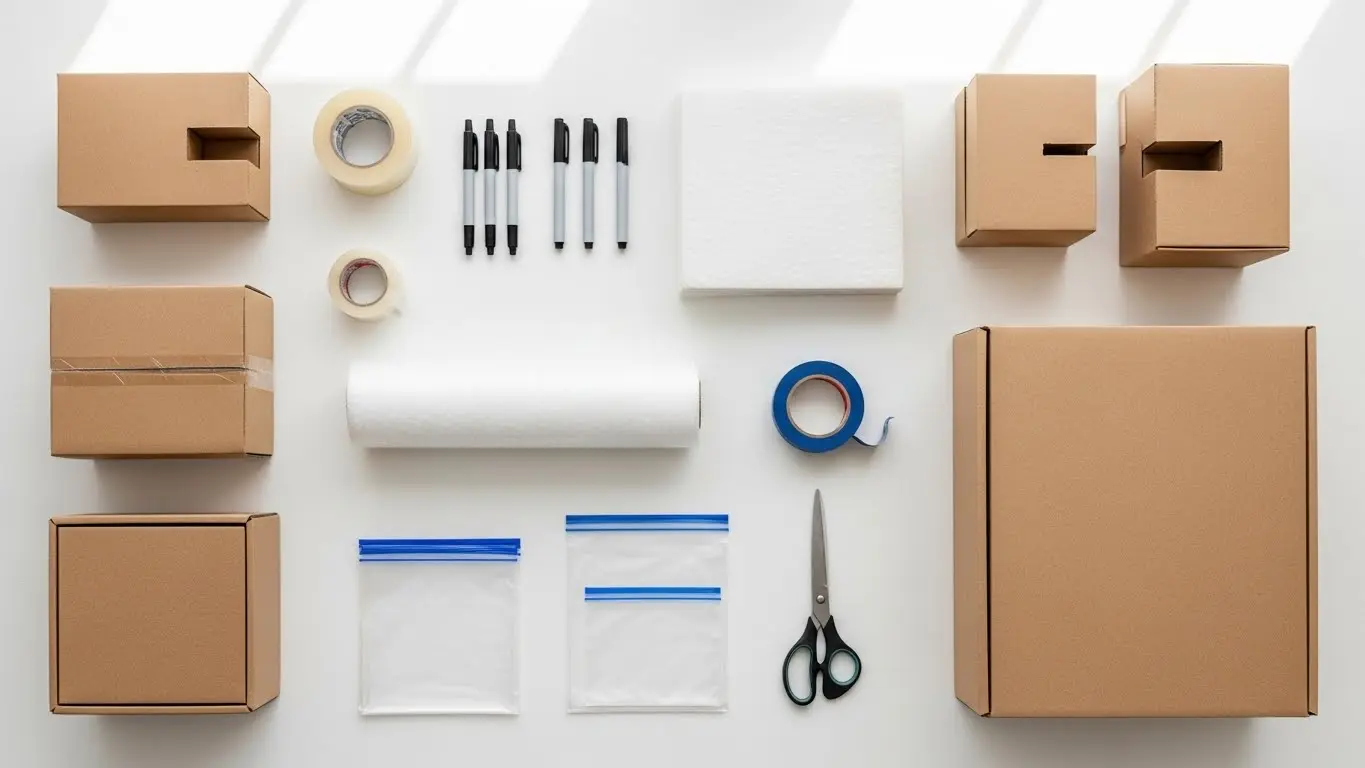
1. Cardboard Moving Boxes
Moving boxes are the foundation of everything. Get this wrong and your whole move gets harder.
Small boxes (16x10x10) work best for heavy stuff like books, seashell collections from Folly Beach, or pantry staples. Pack books in small boxes unless you want to throw your back out carrying them up those piazza stairs. Medium boxes (18x14x12) become your workhorses perfect for kitchen items, clothes, bathroom supplies, and those random junk drawers everyone has. Save large boxes (20x20x15) for light and bulky stuff only. Think pillows, blankets, beach towels, and comforters. Pack these full of anything heavy and you’ll regret it, especially with a third-floor walkup downtown.
So how many boxes does a Charleston move actually require? A studio apartment near CofC needs about 20 boxes total. A 2-bedroom place in West Ashley requires around 50 boxes. A 3-bedroom house in Park Circle will eat up 75-100 boxes easily. And a 4-bedroom house on Daniel Island? Plan on 120 boxes or more.
Charleston Pro Tip: Don’t store packed boxes in garages or sheds for more than two days. The Lowcountry humidity makes cardboard absorb moisture fast, and nobody wants a box bottom giving out on historic home staircases.
Where to get FREE boxes: Hit up Harris Teeter on King Street or Publix in Mount Pleasant early in the morning and ask the managers nicely. Total Wine on Sam Rittenberg always has sturdy boxes from wine shipments. Facebook Marketplace and Nextdoor groups in West Ashley, James Island, and Mount Pleasant are goldmines too. During the College of Charleston move-out in May, walk around campus housing and you’ll find students leaving perfectly good boxes on the curb.
2. Packing Tape
Packing tape is non-negotiable. Get heavy-duty tape that’s rated for heat and humidity. Cheap tape from the dollar store fails on the Ravenel Bridge when it’s 90+ degrees in the truck. Buy at least 6-8 rolls because one roll covers about 10-15 boxes. Get a tape gun too fingers will thank you after an hour of packing in sticky Charleston air.
3. Bubble Wrap
Bubble wrap saves fragile items but gets expensive fast. Smart budget hack? Use beach towels, bath towels, and t-shirts for padding. You’re packing them anyway after that last Sullivan’s Island trip, so put them to work. They cushion just as well and cost nothing extra.
4. Packing Paper
For wrapping dishes and filling box gaps, get a blank newsprint not an actual newspaper. Newspaper ink transfers like crazy in Lowcountry humidity. Black smudges all over grandmother’s china aren’t fun to clean later.
5. Permanent Markers
Thick permanent markers are essential for labeling. The crucial trick? Label boxes on the SIDES, not the tops. When they’re stacked in a truck or storage container, you’ll actually see what’s in them without unstacking everything.
6. Painter’s Tape
Painter’s tape becomes your secret weapon for Charleston moves. Map out furniture placement in your new place before moving day. Label stuff without damaging historic home walls huge downtown where original plaster and woodwork matter to preservation guidelines. Keep dresser drawers closed during the move. Tape hardware directly to furniture pieces so screws don’t get lost. This versatile tape solves a dozen problems you didn’t know you’d have.
7. Plastic Baggies
Plastic baggies keep small parts organized. Use sandwich-size bags for screws and hardware from disassembled furniture that couldn’t fit through narrow doorways. Gallon-size bags work perfectly for cords and cables. Just label them so you know what goes where during reassembly.
8. Heavy-Duty Trash Bags
Heavy-duty trash bags do way more than hold trash. Run out of boxes? Trash bag work. Need to pack linens quickly? The trash bag handles it. Got random cushions or pillows? Same solution. Plus you’ll actually have tons of trash when clearing out that downtown apartment.
9. Scissors and Box Cutters
Keep both scissors and box cutters within reach. Scissors work best for packing when you need precision. Box cutters are essential for unpacking when you’re tired and just want to get into those boxes fast.
Specialty Packing Supplies
1. Mattress Bags
Mattress bags are mandatory in Charleston. The Lowcountry humidity, dust, and potential mold mean mattresses absolutely need protection. Plus expensive mattress warranties often require protection during moves. Don’t think wrapping it in a sheet works — too many ruined mattresses happen because people skip this $10 item. Charleston’s coastal climate shows no mercy to fabric and foam.
2. Wardrobe Boxes
Wardrobe boxes with hanging bars save dress clothes and suits from wrinkling. Perfect if you work downtown in the business district and need professional clothes ready to go. Summer moves in humid months make these even more valuable when everything wants to stick together.
3. Dish Pack Boxes
Dish pack boxes with dividers protect nice dishes and glassware. The dividers create individual compartments that cradle each piece safely during transport over Charleston’s bumpy roads.
Moving Day Supplies
1. Moving Blankets
Moving blankets serve double duty for Charleston moves. Wrap furniture to prevent scratches and dings during transport. Then use them as sliders — put a heavy dresser on a blanket and slide it across the floor. This saves your back AND protects floors at the same time. Those original hardwood or heart pine floors south of Broad are beautiful but scratch easily. Replacing historic flooring costs a fortune.
2. Stretch Wrap
Stretch wrap keeps dresser drawers closed so they don’t slide open and dump contents everywhere. It protects upholstered furniture from dirt and dust. Bundle items together so they move as one unit. And it adds extra protection against humidity during the move across the peninsula.
3. Dolly or Hand Truck
A dolly or hand truck becomes essential downtown. Most people park on the street and need to dolly everything to the door, sometimes over cobblestones and uneven sidewalks on streets like Tradd or Meeting. Even Mount Pleasant, West Ashley, or James Island with better parking makes hand trucks worth having. They prevent injuries and make heavy lifting manageable.
4. Straps, Rope and Bungee Cords
Everything in the truck or container needs securing with straps, rope, and bungee cords. Charleston roads get bumpy — Folly Road and Savannah Highway especially — and stuff sliding around breaks things fast. Strong ratchet straps work for furniture and heavy items. Rope bundles similar items together. Bungee cords secure lighter items that might shift.
5. Heavy-Duty Gloves
Heavy-duty gloves protect hands from multiple hazards. Historic homes have old wood with rough edges and splinters. Summer moves mean touching hot metal on truck ramps and furniture that’s been sitting in Charleston sun. Sharp edges on furniture and boxes cut up bare hands quickly. Good work gloves make the entire day more comfortable.
6. Basic Toolkit
A basic toolkit with screwdrivers, wrenches, and pliers stays handy for taking apart beds, tables, and furniture. Many pieces need disassembly to fit through doorways in older Charleston single houses with narrow passages. Smart move? Tape hardware directly to the furniture piece using painter’s tape. Makes reassembly easier later when you’re exhausted and just want the bed together.
Beating Charleston’s Climate
Moving to Charleston means dealing with weather that works against you. The biggest mistake? Moving June through August. Those months are brutal here. September through November or February through April offer way more comfortable weather. You won’t fight 90-degree heat with 80% humidity while hauling boxes up piazza stairs.
Stuck moving in summer? Start packing before 10 AM when it’s coolest. Take breaks every hour and get into air conditioning or shade. Keep a cooler with ice water because it disappears fast. And never leave packed boxes in a hot garage or shed — they turn into soggy messes overnight.
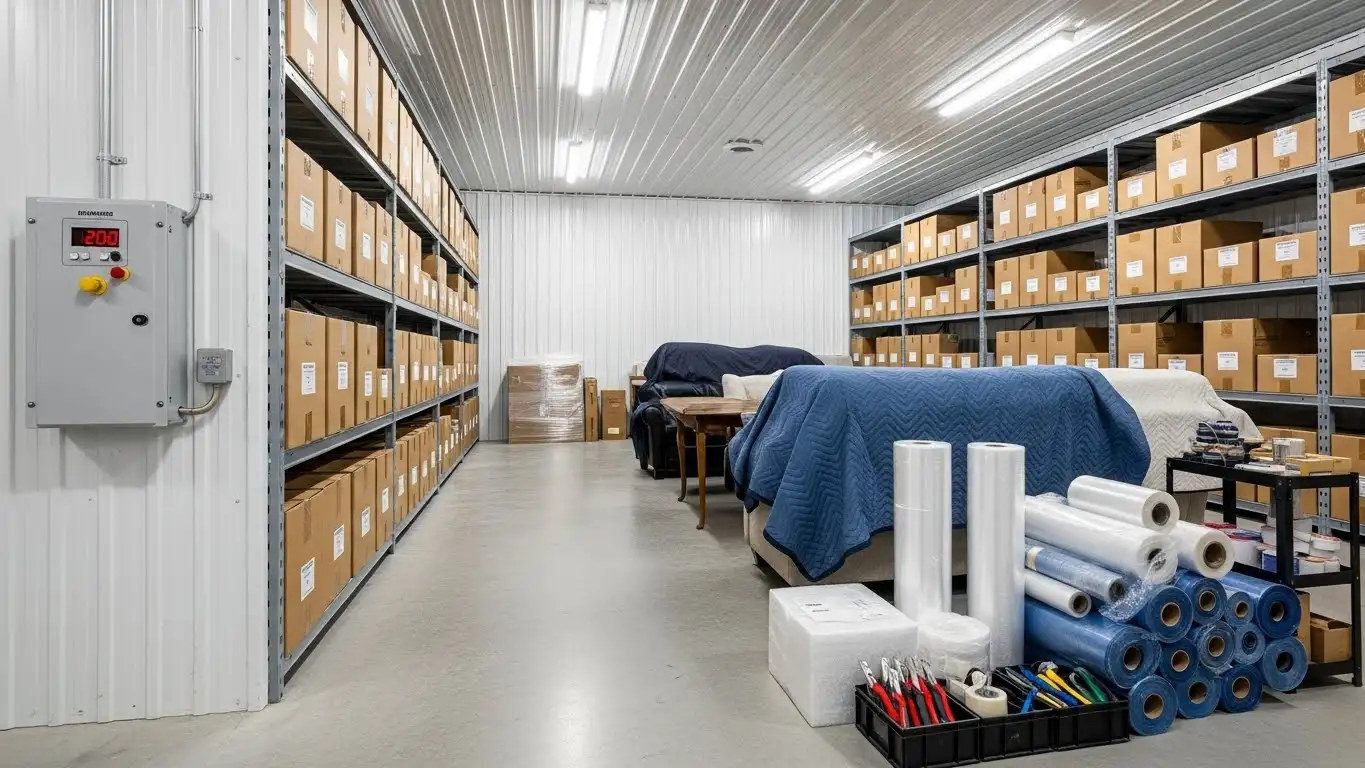
Climate-controlled storage matters if you’re using portable storage for more than a few days. Lowcountry humidity warps wood furniture, damages electronics, and creates mold on fabric without environmental protection. The extra cost beats replacing damaged furniture or dealing with moldy upholstery.
Downtown and Neighborhood Challenges
Each Charleston area brings its own moving quirks that catch people off guard. Downtown and historic district moves are uniquely challenging. Parking is incredibly tough, especially south of Broad. Moving trucks often need special parking permits from the city to apply at least two weeks in advance. Homes have narrow doorways and steep stairs requiring creative maneuvering or furniture disassembly. Measure doorways, stairwells, and hallways before moving day.
Single houses with piazzas need special attention. You’ll carry furniture through side entrances and up multiple flights of stairs. Street parking on narrow lanes like Church, Legare, or King means longer carries from truck to door. Cobblestone streets and uneven brick sidewalks make dollies essential but tricky to navigate.
Mount Pleasant offers easier access and better parking but rush hour traffic on Highway 17 gets brutal. West Ashley has straightforward suburban layouts while still dealing with heavy humidity. James Island requires crossing bridges that back up during peak times. Daniel Island and Park Circle offer newer construction with easier doorways but HOA restrictions on moving hours. Folly Beach and Sullivan’s Island add challenges with sandy driveways and narrow beach house access.
Saving Money Without Sacrificing Quality
Charleston moves don’t require dropping $500 on supplies.
Free boxes come from grocery stores around town. Harris Teeter on King Street and Mount Pleasant locations help out. Publix stores in West Ashley often have boxes available. Liquor stores have the absolute best boxes because they’re designed for heavy bottles — try Total Wine on Sam Rittenberg or ABC stores around town. Facebook Marketplace and Nextdoor groups for specific neighborhoods are goldmines. Use what’s already in your house. Suitcases work great for heavy books because they have wheels. Laundry baskets handle last-minute bathroom and closet items. Beach towels from Folly Beach trips and regular linens provide excellent padding for fragile items. You’re packing these anyway, so put them to work protecting dishes.
Rent expensive items instead of buying. Moving blankets and dolls cost way less to rent for one-time use. STOMO offers moving blankets with container rentals, saving another trip to Lowe’s on Sam Rittenberg. Skip specialty boxes for most stuff. Wardrobe boxes only make sense for expensive suits or dresses for downtown office work. Regular boxes with proper cushioning from towels and clothes handle most things fine.
Your First Night Essentials Box
Pack a separate bag with everything needed for the first 24 hours before closing that last box.
Toiletries matter because that first shower after moving all day in Lowcountry humidity feels amazing. A change of clothes, phone chargers, and important documents like lease or mortgage papers go in this bag. Don’t forget medications, snacks, drinks, and toilet paper seriously, that’s the one thing people forget and regret immediately.
Add basic cleaning supplies because new places always need a quick wipe-down before unpacking. Bug spray is essential in Charleston. Mosquitoes are no joke in the Lowcountry, especially during summer evenings near marshes or water. Moving to James Island, Folly Beach, or anywhere close to creeks and marsh makes bug spray even more valuable.
How Portable Storage Makes Charleston Moves Easier
Moving timelines stress everyone out. Pack too early and you’re living out of boxes for weeks. Wait too long and you’re scrambling at midnight throwing stuff in trash bags. Portable storage containers solve this problem. STOMO brings a container right to your Charleston home downtown, Mount Pleasant, West Ashley, James Island, anywhere in the area. Pack at your own pace with no pressure. When you’re ready, STOMO moves it to your new place or stores it until needed.
Why do Charleston locals choose this option? Understanding Lowcountry challenges like humidity, historic homes with narrow streets, and unpredictable summer thunderstorms matters. Climate-controlled options protect belongings from Charleston’s moisture and heat. Flexible scheduling works around your job and those sudden afternoon storms. It costs way less than traditional movers and works perfectly for staged moves when selling one house while buying another, or renovations when stuff needs moving out temporarily.
Making Your Charleston Move Work
Moving in Charleston gets way less stressful with the right supplies and a solid plan. Start early so you’re not rushing in the heat. Pack smart using appropriate box sizes for different items. Label everything clearly so unpacking isn’t a guessing game. Stay hydrated because Charleston heat and humidity sneak up fast when hauling boxes. Don’t be afraid to ask for help. Whether that’s friends with trucks, professional movers, or a portable storage container from STOMO, the right support makes all the difference in the Holy City.
Ready to simplify your Charleston move? Get a free quote from STOMO Storage today and see how portable storage makes moving anywhere in the Charleston area easier.
Frequently Asked Questions
How many moving boxes do I really need for a Charleston move?
A studio apartment needs about 20 boxes, a 2-bedroom needs 50, 3-bedroom needs 75-100, and 4-bedroom needs 120+. Always grab 10-15 extra boxes as backups since Charleston’s humidity weakens cardboard faster.
Where can I get free moving boxes in Charleston?
Harris Teeter on King Street, Publix in Mount Pleasant, and Total Wine on Sam Rittenberg regularly have free boxes. Check Facebook Marketplace and Nextdoor too. Liquor stores have the sturdiest boxes. During CofC move-out in May, students leave boxes near campus housing.
Do I really need climate-controlled storage in Charleston?
Yes, if storing items for more than a few days. Charleston humidity warps wood furniture, damages electronics, and creates mold fast. The extra cost beats replacing damaged belongings.
What packing supplies are essential for Charleston’s heat and humidity?
Heavy-duty tape rated for heat (cheap tape melts), mattress bags (moisture protection), moving blankets, cooler with ice water, bug spray, and climate-controlled storage for longer moves.
Do I need a parking permit to move in downtown Charleston?
Yes, especially in the historic district or south of Broad. Apply at least two weeks in advance through the city. Narrow streets like Church, Legare, and Meeting have limited parking.