
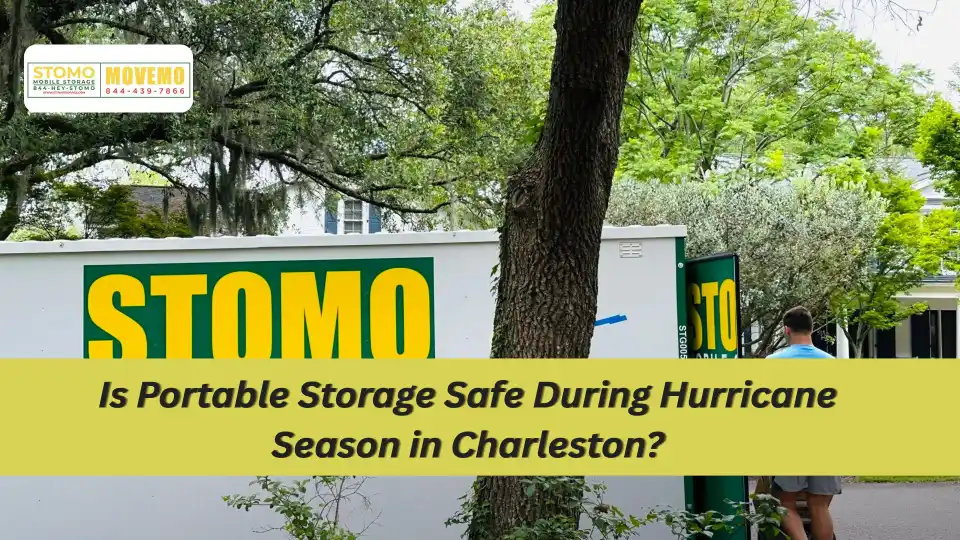
Portable storage containers can be safe during hurricane season in Charleston when they are properly placed on level ground, secured correctly, and kept away from flood-prone areas. They can handle moderate wind and rain, but extreme hurricanes still pose risks like flooding and strong wind damage.
Every summer in Charleston, residents face the same concern as storm season approaches: how to protect their belongings from hurricanes, flooding, and heavy rain while still keeping them accessible. Portable storage containers have become a popular solution, but their safety depends on how and where they are used during severe weather conditions.
Understanding Hurricane Risks in Charleston, SC
Charleston sits at one of the most hurricane-vulnerable points on the East Coast. Positioned on a narrow peninsula between the Ashley and Cooper Rivers, the city faces a triple threat every storm season: high sustained winds, storm surge flooding, and torrential rainfall that overwhelms drainage systems in hours.
The area’s flat, low-lying topography makes flooding a near-certainty during major events. Neighborhoods like West Ashley, James Island, and Johns Island regularly see standing water from storms that don’t even make landfall nearby. When a direct hit occurs as Charleston experienced with Hurricane Hugo in 1989 and came close to with Dorian in 2019 the combination of wind damage and catastrophic flooding can be devastating. For anyone relying on portable storage during these months, understanding local risk factors isn’t optional. It’s the foundation for every smart decision you’ll make about your container.
Are Portable Storage Containers Designed for Storm Conditions?
Most portable storage containers on the market are built from corrugated steel, the same material used in commercial shipping containers. That construction gives them meaningful advantages: they’re heavy, structurally rigid, and resistant to the kind of impact damage that destroys wood-framed structures.
That said, portable storage containers are not purpose-engineered for hurricane conditions. They’re designed for secure, weatherproof transport and temporary storage. The distinction matters. A shipping container sitting on a concrete pad at a port behaves very differently from one placed in a residential driveway during a Category 2 storm.
What they handle well: moisture, moderate wind, and minor debris. What they don’t handle well: direct exposure to major hurricane-force winds without anchoring, or placement in areas prone to deep flooding. The container itself may survive but the contents won’t if water gets in.
How Safe Are Portable Storage Containers During a Hurricane?
In Charleston, SC, the biggest safety factor is not just the container itself but how well it is placed and prepared before a storm arrives. Even a strong steel container can become vulnerable if it is positioned in a flood-prone area or left unsecured during hurricane conditions.
Wind Resistance and Structural Strength
Steel containers have a natural advantage in wind. Their weight, often 3,000 to 5,000 pounds empty, gives them significant resistance to displacement in moderate storms. The corrugated steel walls are rated to withstand substantial lateral pressure. However, a container placed on soft ground or grass can shift during high winds, especially if it isn’t properly secured. In Category 3 and above conditions, even heavy containers have been documented moving when wind gets underneath the frame. If your container is sitting on uneven or soft ground, that risks compounds.
Flooding Risks in Low-Lying Areas
This is where Charleston’s geography creates real problems. Many portable containers sit just a few inches off the ground, and their door seals, while weather-resistant, are not waterproof under sustained flood conditions. If water levels rise above the door threshold, moisture will enter. In flood-prone areas of Charleston, a container sitting at grade level during a storm surge event is a serious risk to anything stored inside. Items on the floor are especially vulnerable. If you’re in a FEMA-designated flood zone, this risk deserves particular attention.
Rain and Moisture Protection
Under normal rain even heavy rain a quality portable storage container performs well. Steel walls and a solid roof keep direct precipitation out. The risk is indirect moisture: humidity, condensation, and any water that enters through an imperfect door seal. During extended rainy periods, the interior of a sealed metal container can develop condensation buildup. For electronics, wood furniture, fabric, or documents stored over weeks, this can be damaging even without any visible water intrusion. Desiccant packs and proper ventilation during dry periods help mitigate this.
Where Should You Place a Storage Container for Maximum Safety?
In Charleston, SC, proper placement becomes even more critical during hurricane season because flooding and wind exposure can vary significantly from one neighborhood to another. Choosing the right location on your property can greatly reduce the risk of water damage and improve overall container stability during severe storms.
Driveway Placement vs. Yard Placement
A concrete or paved driveway is almost always the better choice. Hard surfaces provide a stable, level base that won’t shift under the container’s weight or erode during heavy rain. A yard particularly in Charleston’s sandy, clay-heavy soil can become soft and uneven quickly when saturated, allowing a container to settle unevenly or shift. Driveway placement also typically means the container is closer to the house, which may offer some wind break depending on your property layout.
Avoiding Flood Zones and Tree Coverage
If you have any control over where your container is placed, avoid two things: low areas where water pools, and the drip line of large trees. Charleston’s live oaks and mature pines are beautiful; they’re also known for dropping large limbs in storms. A 500-pound oak limb landing on a storage container can compromise the roof. And any area of your property that holds standing water after a regular rainstorm is going to be far worse during a hurricane.
Importance of Level Ground
A container that isn’t level sits unevenly, which affects the door seal, can stress the frame over time, and more immediately makes items inside more likely to shift or fall. Most portable storage companies will assess and adjust placement, but it’s worth verifying before the storm season.
How to Secure a Portable Storage Container Before a Storm
In Charleston, SC, securing your storage container before hurricane season is especially important because sudden weather shifts can quickly turn a stable setup into a risk. Taking preventive steps early ensures your container and belongings stay protected even if conditions worsen faster than expected.
Proper Locking and Sealing
A quality padlock on a steel hasp isn’t just about theft prevention it helps keep the door pressed firmly into its seal during high winds. If your container uses a standard cross-bar latch, consider adding a secondary lock or brace before a storm. Door gaps, even small ones, allow wind-driven rain to enter.
Weight Distribution Inside the Container
How you load a container affects its stability. Heavier items should sit low and centered not stacked against one wall or concentrated toward the doors. A well-distributed load lowers the container’s center of gravity slightly and reduces the risk of contents shifting if the container moves.
Professional Placement Benefits
One advantage of using a professional portable storage company is that experienced crews know how to position containers for your specific property. They’ve likely placed dozens of units across Charleston neighborhoods with different drainage patterns and soil types. That local knowledge is worth using to ask explicitly about hurricane season best practices when you schedule delivery.
What Items Are Safe to Store During Hurricane Season?
Some categories of items are well-suited for portable container storage even during active storm season:
Sturdy and storm-resilient items: Patio furniture, lawn equipment, tools, bicycles, grills, and outdoor gear that would otherwise be scattered by wind. Getting these into a secured container before a storm is genuinely safer than leaving them outside.
Larger furniture and appliances: Sofas, mattresses, dressers, and appliances stored off the floor handle container conditions well. Elevating items on pallets provides an additional buffer against any moisture.
Non-perishables and packaged goods: Household goods sealed in plastic bins travel and store well.
Items to keep elsewhere during storm season: Documents, electronics, photographs, irreplaceable heirlooms, and anything with sentimental or high financial value should not be left in a portable container if a major storm is forecast. The container may survive but the peace of mind isn’t worth the risk for irreplaceable items.
Risks of Using Portable Storage During Hurricanes
Being honest about the risks matters:
Flooding remains the primary threat. No matter how strong the container, if flood water rises above the door threshold, contents will be damaged. Charleston’s surge history makes this a real, not theoretical, risk in many neighborhoods.
Containers can move. In extreme wind events, unsecured or poorly placed containers have been documented shifting. A moving steel container is a significant hazard to nearby vehicles, fencing, and structures.
Insurance gaps. Your homeowner’s policy may not automatically cover items stored in a portable container on your property. Verify your coverage before storm season, not after.
Accessibility during a storm warning. If a mandatory evacuation order is issued, accessing your container to retrieve items may not be possible. Don’t store items you’ll need during an evacuation.
Portable Storage vs. Traditional Storage Units During Hurricanes
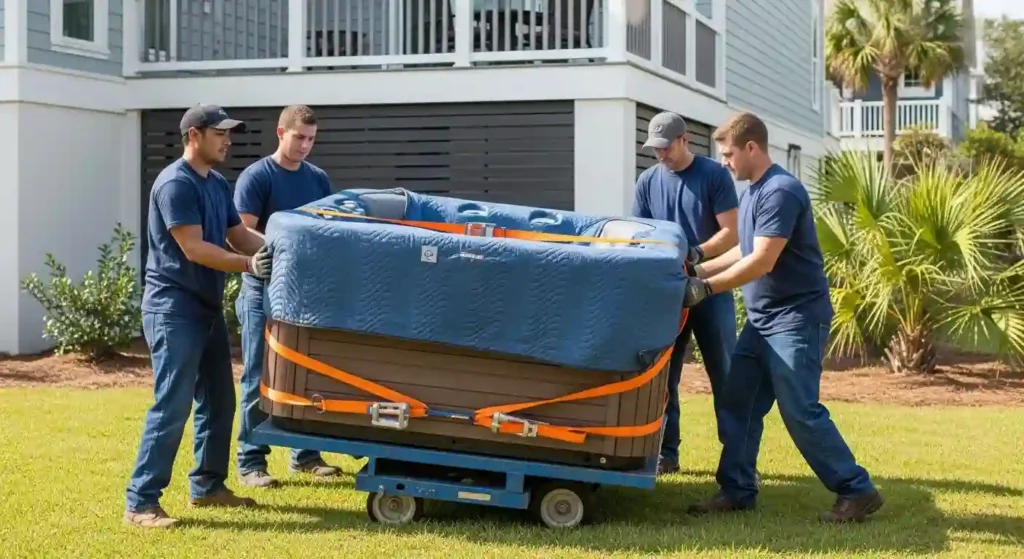
Traditional climate-controlled storage facilities have their own advantages during hurricane season: they’re built structures, typically on commercial-grade foundations, often in areas zoned away from the worst flood plains. A reputable facility will also have staff monitoring conditions and emergency protocols.
The tradeoff is convenience and access. A portable container on your property is available whenever you need it. A facility unit requires a trip, has set hours, and puts your items off-site. For most Charleston residents doing a home renovation, move, or seasonal declutter, a portable container is the more practical choice. For irreplaceable or highly valuable items, a climate-controlled facility with documented flood elevation may offer better peace of mind during a named storm.
The best approach for long hurricane seasons: use portable storage for the bulk of your items and move the most valuable pieces to an elevated indoor space or off-site facility when a storm watch is issued.
Why Charleston Residents Use Portable Storage Before Storm Season
Demand for portable storage in the Lowcountry spikes in late spring and early summer, and for good reason. The combination of the region’s active real estate market, older housing stock undergoing renovation, and the need to protect outdoor belongings creates consistent demand.
Common reasons Charleston residents choose portable storage heading into hurricane season:
- Clearing space in garages to park vehicles (a car under cover survives storms far better than one in a driveway)
- Storing outdoor furniture and equipment that would otherwise become projectiles
- Staging homes for sale while managing belongings during a pending move
- Holding furniture during home renovations that often run through summer months
- Creating accessible, ground-level storage when older homes lack adequate interior storage space
The containers also serve as a transitional holding space for residents who are evacuating a place to consolidate and protect belongings before leaving, rather than leaving them scattered throughout a home.
Expert Tips to Keep Your Storage Safe in Hurricane Season
Elevate items off the floor. Even if flooding doesn’t seem likely, placing items on wooden pallets or shelving inside the container provides a buffer against any moisture accumulation.
Use sealed plastic bins over cardboard. Cardboard degrades quickly in humid conditions. Plastic totes with secure lids protect contents from both moisture and pests.
Document what’s inside. Before a storm, photograph or video the container’s contents. This documentation is invaluable for insurance claims.
Check door seals before storm season. If the rubber gaskets around the doors are cracked or compressed, moisture infiltration risk increases significantly. Ask your storage provider about the condition of seals before delivery.
Keep the area around the container clear. Remove any items that could become wind-driven projectiles near the container and make sure the container itself isn’t positioned near anything it could strike if it shifted.
Monitor the forecast and act early. Once a hurricane watch is issued for the Charleston area, your options narrow. Make any last-minute adjustments to contents or placement before watches upgrade to warnings.
Talk to your storage provider. Reputable companies operating in hurricane-prone markets have storm protocols. Ask them what they recommend. Many have seen what works and what doesn’t across multiple storm seasons in your area.
Can portable storage containers withstand hurricanes in Charleston?
They can handle mild to moderate storms when properly placed on level ground, but they are not built to fully withstand major hurricanes. Flooding and extreme winds can still damage contents.
Plan Ahead for Hurricane Season with Safe, Flexible Storage
If you’re preparing for hurricane season in Charleston or anywhere in the Lowcountry, having a secure storage solution in place can make all the difference. STOMO Storage delivers portable storage containers directly to your home, providing a convenient way to protect furniture, household items, and equipment during moves, renovations, or storm preparation.
Get your free quote today and reserve a portable storage container before hurricane season reaches its peak. Early planning can help ensure your belongings are stored safely and ready when severe weather threatens the Charleston area
Conclusion
Portable storage containers can be a practical and flexible solution during hurricane season in Charleston, especially for protecting furniture, equipment, and household items during moves or renovations. However, their safety is not absolute; it depends on proper placement, preparation, and understanding local risks like flooding and storm surge.
In a coastal area like the Lowcountry, the key is planning ahead before storms develop. When used correctly and positioned in a safe location, portable storage can help reduce damage risk and give homeowners better control over their belongings during hurricane season.
Frequently Asked Questions
What happens if a storage container floods?
Items at the bottom are most at risk of water damage, especially cardboard or unsealed goods. The container may stay intact, but the contents often need drying or replacement.
Is portable storage safer than keeping items at home during storms?
It depends on your home’s elevation and flood risk. For outdoor items, a container is usually safer, but well-built homes may protect valuables better in some cases.
Should I move my storage container during a hurricane warning?
No, it’s better not to move it during a warning. Placement should always be adjusted before storm conditions develop.
Do storage companies provide storm safety guidance?
Yes, most reputable companies in Charleston provide guidance based on local storm experience. They often recommend safe placement and preparation before hurricane season.
Can portable storage containers withstand hurricanes in Charleston?
They can handle mild to moderate storms when properly placed on level ground, but they are not built to fully withstand major hurricanes. Flooding and extreme winds can still damage contents.
About The Author