
Paintings are not like normal boxes you toss in a truck. They are fragile, sometimes expensive, and often impossible to replace. If you crack a frame or tear a canvas, you cannot just order a new one online. That is why learning how to pack a painting for moving the right way matters so much before your next move.
At STOMO Mobile Storage and MOVEMO Moving Service in Charleston, SC, we see the same mistakes over and over. People wrap art the same way they wrap dishes, and it ends badly. This guide walks you through the full process, step by step, so your paintings arrive at your new home in the same shape they left the old one.
Why Properly Packing a Painting Matters
Paintings are more sensitive to damage than most household items. A small bump that would not hurt a lamp can crack paint, dent a frame, or tear a canvas. Taking the time to pack them correctly protects both the value and the memories tied to each piece.
Common Types of Damage During a Move
Most damage during a move comes down to three things: pressure, impact, and moisture. Glass is one of the most common casualties. If a heavy box leans against it, even for a short time, the glass can crack or shatter completely. Canvas has its own weak points too.
If it gets squeezed too tightly between other items, the fabric can stretch out of shape or even tear along the edges. Frames often take the worst hits during loading and unloading. Corners are especially vulnerable, since they tend to bump into other boxes, doorframes, or the sides of the truck. Even a small knock can chip the wood or crack the finish.
Paint itself is also at risk, especially from heat and moisture. A hot moving truck sitting in the sun, or a damp storage unit, can cause paint to crack, bubble, or flake off over time. This kind of damage often does not show up right away, which makes it even more important to prevent in the first place.
Which Paintings Need Extra Protection?
Not every painting faces the same level of risk, so it helps to know which ones need extra care. Oil paintings are one of the most sensitive types, since they can stay soft and workable for months, or even years, after they are painted.
Even if the surface looks completely dry, it can still smudge or pick up fingerprints if it is handled the wrong way. Older paintings and antiques come with their own risks. Over time, materials like canvas, wood, and paint naturally weaken, which makes these pieces more fragile than newer artwork, even if they look sturdy on the surface.
Large paintings also need extra attention, simply because their size makes them harder to maneuver without bumping into doorways, walls, or other furniture. Any painting behind glass adds another layer of risk, since the glass itself can crack under pressure and cause additional damage to the artwork underneath.
Packing Supplies You’ll Need
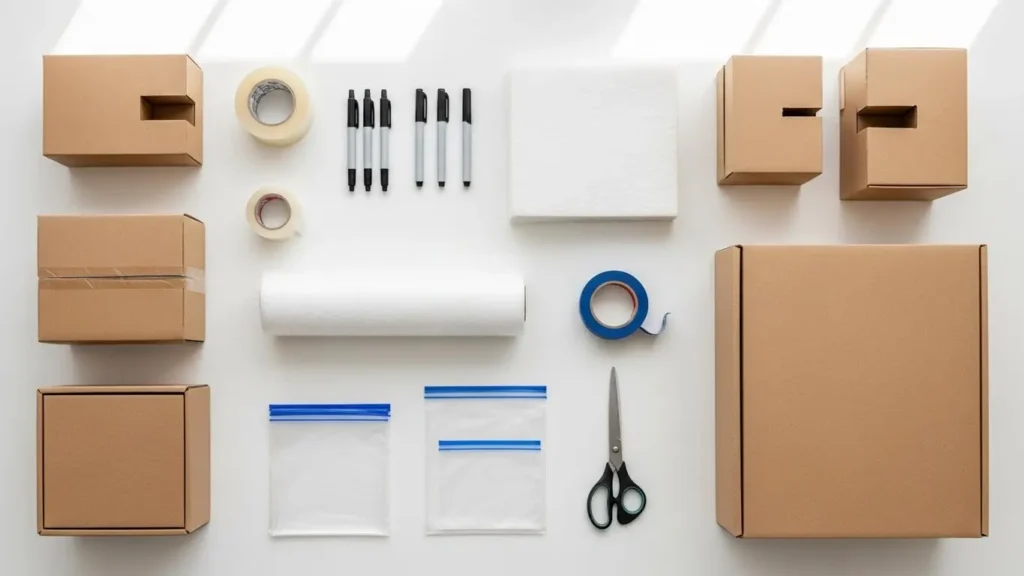
Good packing starts with good supplies. Using the wrong materials is one of the biggest reasons paintings get damaged during a move.
Glassine Paper or Acid-Free Paper Glassine paper is a smooth, acid-free paper made to sit directly against art. It will not stick to paint or leave marks behind, which makes it the safest first layer for any painting.
Bubble Wrap, Foam Sheets, and Packing Paper Bubble wrap and foam sheets add cushioning against bumps and shocks. Packing paper can help fill in extra space, but it should never touch the painted surface directly.
Corner Protectors and Painter’s Tape Corners are the most likely spot to get chipped or dented. Foam or cardboard corner protectors guard this weak point. Painter’s tape is gentle enough to hold wrapping in place without damaging paint or frames when it is removed later.
Mirror or Picture Boxes Mirror boxes and picture boxes are built specifically for flat, fragile items like paintings and mirrors. They are thin, sturdy, and sized to keep artwork from shifting around inside.
Packing Tape, Stretch Wrap, and Labels Regular packing tape seals the outer box. Stretch wrap can hold extra padding in place around the frame. Clear labels marking the box as fragile help everyone handling it know to be careful.
Prepare the Painting Before Packing
Getting a painting ready before you start packing can save you a lot of headaches later. Start by looking the painting over carefully for any existing cracks, chips, loose paint, or weak spots in the frame. This matters for two reasons. First, you want to know its exact condition before the move, so you are not left guessing later whether a mark was already there or happened during transport. Second, take clear photos of the painting from the front and back before you pack it.
These photos act as proof of condition, which is especially useful if you ever need to file an insurance claim. Once you have inspected and photographed the painting, take a moment to gently dust the surface with a soft, dry cloth. Avoid using any cleaning sprays or liquids, since many can react with paint or varnish and cause damage that is hard to undo.
If the painting has hanging hardware, like hooks or wire sticking out from the back, either remove it or tape it flat against the frame. Loose hardware can scratch the painting itself, or scratch other items packed nearby, so securing it ahead of time is a simple step that prevents avoidable damage.
How to Pack a Framed Painting for Moving
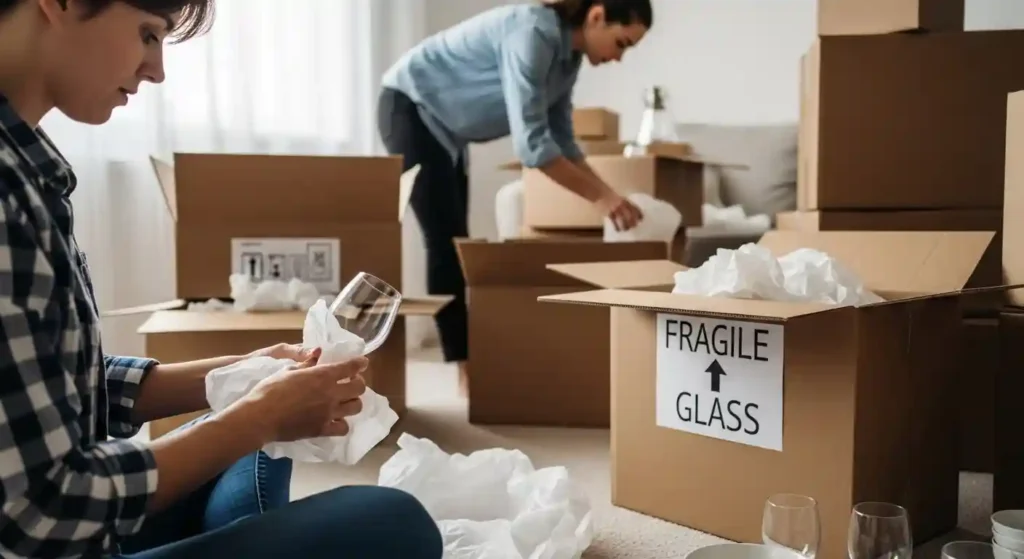
Start by protecting the glass and corners before you wrap anything else. If the painting is behind glass, tape a simple X across it with painter’s tape. This will not stop the glass from cracking, but it holds the pieces together if it does break, which keeps the artwork underneath safe. Next, slide foam or cardboard corner protectors onto all four corners of the frame. Corners take the most impact during a move, so this one step prevents a lot of common damage.
Once the glass and corners are protected, cover the front of the painting with a sheet of glassine paper, then add a layer of bubble wrap on top, bubbles facing out. Tape the bubble wrap in place, but never tape directly onto the painting. Place the wrapped painting into a properly sized mirror or picture box, fill any empty space so it cannot shift, then seal the box and label it clearly as fragile before it gets loaded onto the truck.
How to Pack an Unframed Canvas Painting
Unframed canvas paintings need a gentler approach since there is no frame to absorb bumps along the way. Start by laying a sheet of glassine paper directly over the painted surface. This protects the paint without sticking to it, which matters even if the paint looks fully dry, since some paintings stay soft underneath for much longer than they appear. Once the glassine is in place, add a layer of bubble wrap or foam on top, but keep it loose. Wrapping too tightly can press marks into the canvas, so the goal is coverage without pressure.
After the surface is protected, turn your attention to the edges and corners, since canvas stretcher bars are often the first part to bend or crack during a move. Add corner protectors and a bit of extra padding along the frame underneath the canvas to keep it from warping. Once everything is wrapped, place the canvas upright in a properly sized picture box, rather than laying it flat, and fill any remaining space so it stays secure during transport.
How to Pack Large or Valuable Paintings
Large and valuable paintings need extra care beyond the basics, since their size and worth raise the stakes if something goes wrong during the move.
| Step | What to Do | Why It Matters |
| Build extra protection for oversized artwork | Add extra layers of foam or cardboard along the edges and corners. For pieces too big for a standard box, build a simple wooden frame around the painting. | Large paintings are harder to handle without bumping into doorways or walls, so extra padding lowers the risk of dents and cracks. |
| Double-box for maximum safety | Place the wrapped painting inside one box, then place that box inside a slightly larger box with padding in between. | The extra layer acts as a buffer, absorbing shocks and pressure before they reach the painting itself. |
| When professional packing is worth it | For paintings with high financial or sentimental value, hire a professional packing service instead of doing it yourself. | Trained movers have the right materials and experience to handle valuable art safely, which reduces the risk of costly or irreplaceable damage. |
How to Load Paintings Into a Moving Truck
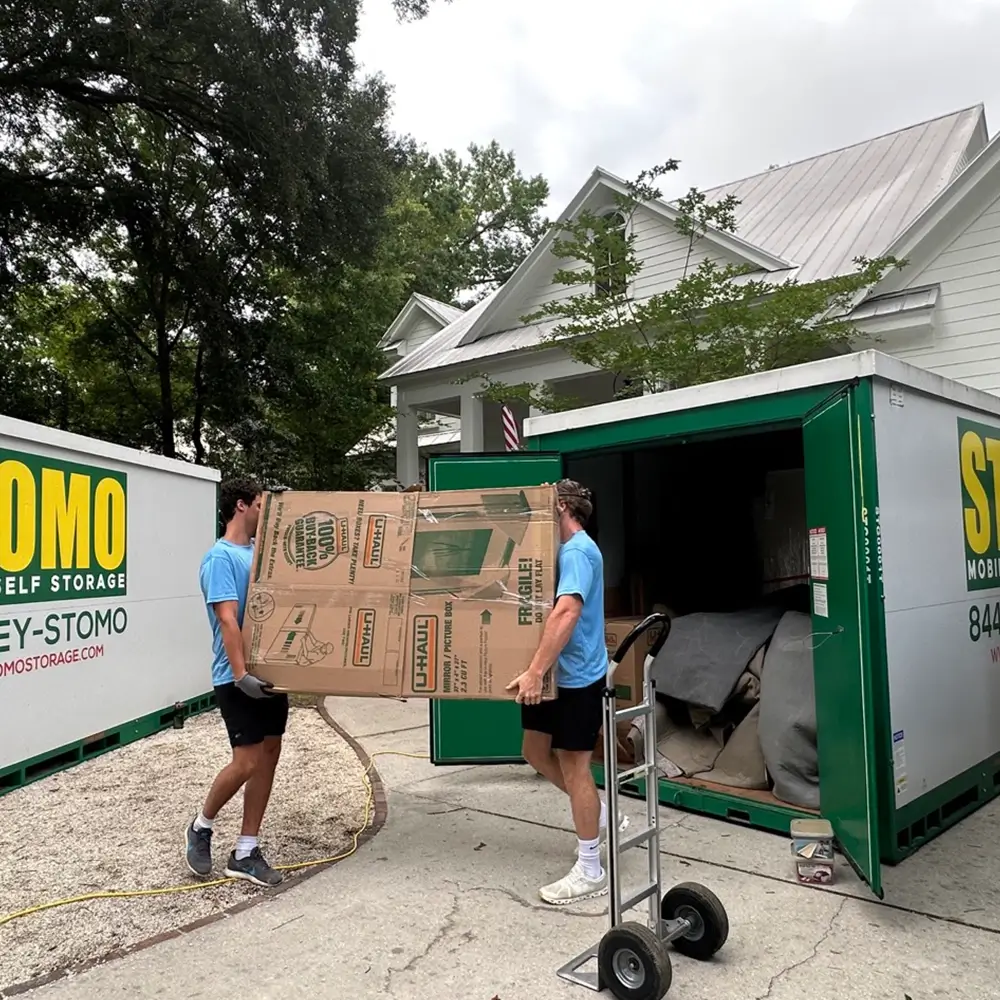
How a painting gets loaded into the truck matters just as much as how it was packed. Always load paintings standing upright, never flat. When a painting lies flat, it becomes much more likely that something heavy will end up placed on top of it, even by accident, which can crack glass or bend the frame.
Along with keeping paintings upright, make sure nothing heavy gets stacked on or against them once they are loaded. Load paintings last if possible, or set them in a spot where they will not bear any weight during the drive.Temperature and movement are the other two things to watch for once the painting is on the truck.
Avoid placing paintings against truck walls that heat up in direct sunlight, and keep them away from any spot where moisture could collect during the trip. Finally, use straps or soft padding to secure the artwork so it cannot slide or shift while the truck is moving. Sudden stops or sharp turns can cause real damage if paintings are not held firmly in place.
How to Store Packed Paintings Safely
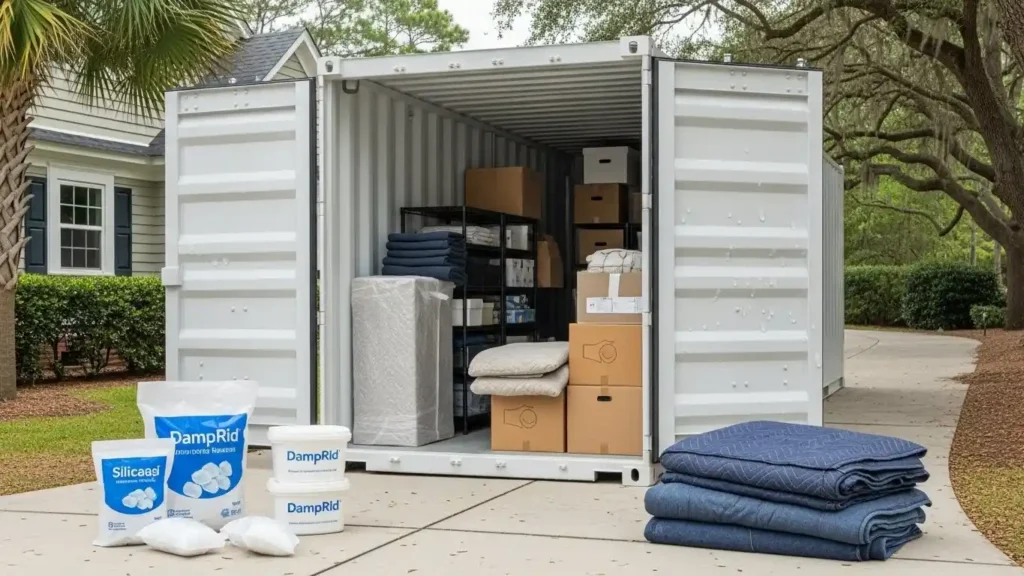
If your paintings are heading into storage instead of straight to a new home, temperature and position both matter a lot. Choose a climate-controlled storage unit whenever possible, since changes in temperature and humidity can warp canvas, crack paint, and damage frames over time, even if the painting is well wrapped. Along with climate control, always store paintings standing upright rather than flat. This reduces pressure on the surface and lowers the risk of warping, the same way it does when paintings are loaded into a moving truck.
It is also worth being careful about where in a building you store artwork. Basements and attics tend to have the most extreme temperature and humidity swings in a home, which makes them some of the worst places to keep paintings for any length of time. Damp areas in general should be avoided, since even small amounts of moisture can slowly damage paint, canvas, and wood frames without you noticing right away.
Common Mistakes to Avoid When Packing Paintings
Even careful movers can make small mistakes that lead to big problems.
Wrapping the Artwork Directly in Bubble Wrap Bubble wrap can press small ridges into paint or stick to certain surfaces over time. Always use glassine or acid-free paper as the first layer, with bubble wrap only as an outer layer.
Using Boxes That Are Too Large An oversized box gives the painting too much room to move, which increases the risk of impact damage during transport.
Skipping Corner Protection Corners take the most impact in almost every move. Skipping this simple step is one of the most common reasons frames end up chipped or cracked.
Laying Paintings Flat During Transport Laying paintings flat makes it more likely that something will be placed on top of them, even by accident. Upright storage and transport is always safer.
Using Newspaper or Low-Quality Packing Materials Newspaper ink can transfer onto paint and frames, and low-quality paper can stick to certain surfaces. Stick to acid-free, art-safe materials instead.
Pro Tips to Keep Paintings Safe During a Move
A few extra habits can go a long way in keeping your paintings safe from the first box to the final unload.
- Label boxes as fragile Clear labeling helps everyone involved, from friends helping out to professional movers, know to slow down and handle the box with care.
- Use moisture protection Add a layer of plastic sheeting or a moisture-resistant cover to guard against unexpected rain or humidity during loading and unloading.
- Transport valuable artwork separately For especially valuable pieces, consider moving them in your own vehicle instead of the moving truck, so you have direct control over how they are handled.
- Check paintings immediately after arrival and inspect each painting as soon as possible after the move, so you can catch any damage early while it is still easy to document and address.
Conclusion
Packing a painting for a move does not have to be stressful once you understand the right steps. Most damage comes from pressure, impact, and moisture, and all three can be prevented with the right materials and a little patience. Using glassine or acid-free paper, protecting corners and glass, and keeping paintings upright makes a real difference in how artwork survives the trip.
Damage is not always obvious right away, which is why prevention matters more than fixing problems after the fact. Whether you are moving one painting or an entire collection, taking the time to pack and load everything correctly protects both its value and the memories behind it.
Get Help Moving Your Paintings Safely
If all of this feels like a lot to manage on your own, you do not have to handle it alone. STOMO Mobile Storage and MOVEMO Moving Service in Charleston, SC specializes in helping South Carolina families and businesses move and store their belongings safely, including fragile and valuable items like paintings and artwork. Our team understands how to pack, load, and transport art the right way, using proper materials and careful handling from start to finish.
Whether you need help packing a single painting, moving an entire art collection, or storing pieces in a climate-controlled unit until you are ready for them, we are here to make the process easier. Contact us today or request a free estimate online, and let our experienced team take the stress and guesswork out of your next move.
Frequently Asked Questions
What is the safest way to pack a painting for moving?
The safest method starts with a layer of glassine or acid-free paper placed directly against the painting, since this protects the surface without sticking to it. From there, add a layer of bubble wrap or foam for cushioning, making sure it never touches the paint directly. Corner protectors guard the most vulnerable part of the frame, and placing the wrapped painting in a properly sized picture or mirror box keeps it from shifting around during the move.
Should paintings be transported flat or upright?
Paintings should always be transported upright, never flat. When a painting lies flat, it becomes much easier for other items to end up stacked on top of it, even by accident, which can crack glass or bend a frame.
Can bubble wrap touch a painting?
No, bubble wrap should never touch the painted surface directly. Over time, or even during a single move, bubble wrap can press small ridges into paint or stick to certain surfaces, especially if the paint has not fully cured.
How do you pack a canvas painting without damaging it?
Start by covering the canvas with glassine paper to protect the surface. Add a layer of padding on top, but keep it loose rather than tightly wrapped, since pressing too hard can leave marks or stretch the canvas out of shape. Protect the corners and edges, where the stretcher bars underneath are most likely to bend or crack, then box the canvas upright in a snug-fitting container.
What type of box is best for moving paintings?
Mirror boxes and picture boxes work best for moving paintings, since they are built specifically for flat, fragile items. Unlike standard moving boxes, they are thin and sized to keep artwork snug rather than loose, which lowers the chances of shifting, tipping, or impact damage along the way.
Do I need climate-controlled storage for artwork?
In most cases, yes. Paintings are sensitive to changes in temperature and humidity, and swings in either one can cause canvas to warp, paint to crack, or frames to weaken over time.
Is it better to hire professionals for valuable paintings?
For paintings with high financial or sentimental value, hiring professionals is often worth the extra cost. Trained movers understand how to handle art properly, have access to the right packing materials, and know how to load and transport paintings in a way that minimizes risk.