
When you are getting ready to move, knowing what not to pack is just as important as knowing what to pack. You should not pack hazardous items, perishable food, important documents, or everyday essentials you will need on moving day. Packing the wrong things can slow down your move, damage your belongings, or even put your family at risk. This guide breaks down exactly what to leave out of the boxes, and what you should do with each item instead.
Table of Contents
- Hazardous and Flammable Items
- Perishable Food and Open Containers
- Plants and Pets
- Valuables, Cash, and Important Documents
- Your Moving Day Essentials Bag
- Old Electronics and Dead Tech
- Unnecessary Paperwork and Old Files
- Bulky Furniture That Will Not Fit the New Space
- Clutter and Things You No Longer Need
- Not Ready to Decide? Store It Instead
- Frequently Asked Questions
Quick Overview
| Takeaway | Explanation |
|---|---|
| Movers cannot legally transport hazardous materials. | Items like gasoline, bleach, propane, and fireworks are banned from moving trucks. Use them up, give them away, or drop them off at a hazardous waste facility before moving day. |
| Perishable food will not survive the trip. | Heat inside a moving truck spoils food fast. Eat or donate perishables before you move. Canned and boxed goods are safe to pack and take with you. |
| Valuables and documents should never go in the truck. | Passports, jewelry, family photos, and legal documents should travel in a personal bag in your own vehicle. These items cannot be replaced if they are lost or damaged. |
| Pack a moving day essentials bag before anything else. | You will need clothes, medications, toiletries, chargers, and snacks between packing and unpacking. One bag per family member keeps these items easy to reach without digging through boxes. |
| Measure before you move any large furniture. | A sofa or wardrobe that fits your current home may not fit through the front door of your new one. Check doorways and room dimensions in advance to avoid paying to move something you cannot use. |
1. Hazardous and Flammable Items
Professional movers are not allowed to transport hazardous materials. This is not a preference on their part. It is a safety policy that most moving companies are required to follow. These items can catch fire, leak, or react with other chemicals inside a moving truck, which puts the entire load at risk.
Items That Fall Into This Category
Items you should not pack in this category include gasoline, propane tanks, and lighter fluid. Paints, paint thinners, varnishes, and solvents also fall into this group. Aerosol cans of any kind should be left out of boxes, along with nail polish and nail polish remover. Household cleaners like bleach and ammonia are also on the no-pack list. The same goes for pool chemicals, fertilizers, pesticides, matches, lighters, fireworks, ammunition, fire extinguishers, and car batteries.
What to Do With These Items
The best thing to do with these items is to use them up before moving day if possible. You can also offer them to a neighbor who can put them to use. For items that need to be thrown away, look up your local hazardous waste drop-off facility. Most cities and counties have scheduled collection events where you can safely dispose of these materials for free.
2. Perishable Food and Open Containers
A moving truck is not a refrigerator. Temperatures inside the truck can get very high during transit, especially in the summer months. Perishable food will spoil quickly under those conditions, and an open container can leak and ruin everything packed around it.
Foods You Should Leave Behind
Fresh produce, dairy products, and frozen meat should all be consumed or thrown away before moving day. Open jars, open bottles, and anything close to its expiration date should also be left behind. Even if the trip is short, the combination of heat and being bounced around inside a truck is enough to cause a mess.
Foods That Are Safe to Move
The good news is that non-perishable food is perfectly fine to move. Canned goods, boxed items, sealed spices, and dried foods travel well and can go right into a box.
How to Reduce Food Waste Before Your Move
To get rid of perishables without waste, plan your meals for the two or three weeks before you move around what is already in your fridge and freezer. Avoid buying fresh food in bulk during that time. Anything you cannot finish before moving day can be donated to a local food pantry, as long as it is still sealed and within its use-by date.
3. Plants and Pets
Most moving companies will not transport live plants. Plants are sensitive to heat and darkness, and a moving truck provides both in large amounts. On top of that, some states have agricultural restrictions that limit which types of plants can be brought in from other states.
Why Pets Need a Separate Plan
Pets need their own separate travel plan. A moving truck is not a safe environment for animals. It is dark, loud, and gets very hot. Pets can also become stressed enough to cause injury to themselves if they are not properly secured.
What to Do With Plants and Pets
For plants, the best option is to take small ones in your personal vehicle. Larger plants that will not survive the trip can be given to friends, neighbors, or a local plant shop. For pets, make sure they are in a proper carrier and travel in a climate-controlled vehicle. If moving day is going to be hectic, consider booking a pet sitter to watch them until you are settled into the new place.
4. Valuables, Cash, and Important Documents
This category is less about what movers will not take and more about what you cannot afford to lose. Moving involves a lot of hands, a lot of boxes, and a lot of moving parts. Important documents and valuables should never be loaded into a truck where they can be misplaced, damaged, or lost.
Documents and Valuables to Keep With You
Items that should travel with you personally include passports, birth certificates, Social Security cards, property deeds, wills, medical records, tax documents, and legal contracts. Jewelry, family heirlooms, photo albums, and any collectibles like coins or stamps should also stay in your direct care. Cash and credit cards go without saying.
The Easiest Way to Handle This
The simplest way to handle this is to gather all of these items before you start packing anything else. Put them in a single bag, folder, or small box that stays in your personal vehicle throughout the entire move. Label it clearly and make sure only you or a trusted family member is responsible for it.
5. Your Moving Day Essentials Bag
This is everything you are going to need between the moment you close up the last box and the moment you finish unpacking at the new place. That gap could be anywhere from one day to several days, and you do not want to be digging through taped boxes looking for your toothbrush or your child’s medication.
What to Pack in Each Family Member’s Bag
Pack one bag for each member of the family before you pack anything else. Each bag should include a change of clothes, toiletries like toothbrush and toothpaste, and any medications that are taken daily. Include snacks, water bottles, and paper plates since you will want to eat without unpacking the whole kitchen on the first night.
Extra Items for Your Personal Bag
Your own essentials bag should also include your phone charger and laptop, basic cleaning supplies in case of a spill at the new house, and a small toolkit with a screwdriver, utility knife, box cutter, tape, and a marker. A first aid kit, toilet paper, and hand sanitizer round out the list. All of these bags go into your personal vehicle, not the moving truck.
6. Old Electronics and Dead Tech
Almost every household has a drawer or a box full of old technology that has not been used in years. Old cell phones, chargers that do not match any current device, broken headphones, and outdated tablets all fall into this group. Moving is the best time to get rid of all of it because you are already going through everything anyway.
Why Old Tech Is Not Worth Moving
These items take up space and add weight to your load without adding any value. They are also surprisingly difficult to recycle once they are unpacked and tucked away in a new home.
How to Sort and Get Rid of Old Electronics
Before your move, sort through all your electronics and put them into three groups: still useful, ready to donate, and needs recycling. Wipe any personal data from devices before donating or recycling them. Most cities have e-waste drop-off locations or scheduled collection events where you can recycle electronics safely and for free.
7. Unnecessary Paperwork and Old Files
Years of paperwork can build up in drawers, filing cabinets, and cardboard boxes without anyone noticing. Expired warranties, outdated insurance policies, old bank statements, and years of miscellaneous mail are all examples of paperwork that serves no purpose and does not need to move with you.
Why You Should Deal With This Before Moving
Moving this type of paperwork takes up box space and just transfers clutter from one home to another. The move itself creates a natural reason to go through all of it and decide what actually needs to be kept.
How to Sort Your Paperwork
Sort your paperwork into three groups: documents to keep, documents to shred, and general junk to toss. Keep anything that is still active or legally important, such as current insurance policies, recent tax returns, and active contracts. Shred anything with personal information that you no longer need, such as old account statements or expired ID cards. Everything else can simply be thrown away. A cross-cut shredder is worth having on hand for this process.
8. Bulky Furniture That Will Not Fit the New Space
Before you load any large furniture onto the truck, take a few minutes to measure your new home. Check doorways, hallways, stairwells, and the actual room dimensions where each piece of furniture is going to go. A large sectional couch or an oversized wardrobe that fits perfectly in your current home may not fit through the front door of your new one.
Moving furniture that does not fit the new space is expensive and frustrating. You end up paying to move something you cannot use and then have to deal with getting rid of it anyway. Items worth evaluating before the move include oversized sofas, old or damaged dressers and bookshelves, outdoor furniture that is worn out, duplicate appliances, and anything that is already broken or close to it. Sell usable pieces on Facebook Marketplace, donate to a local thrift store, or schedule a junk removal pickup before moving day.
9. Clutter and Things You No Longer Need
Moving clutter from one home to another means you are paying movers to carry things you do not even want. The junk drawer, the back of the closet, the pile in the garage corner, the box of stuff that has been sitting untouched since the last move. None of it should come with you.
How to Declutter Before You Pack
Go through clothes, kids’ toys, old tools, and random household items before you start packing. If it has not been used in the past year and does not have real sentimental or practical value, it should not make the move. Donate what is still useful, sell what has value, and throw away the rest.
Room-by-Room Areas to Focus On
The garage and storage areas tend to hold the most clutter that gets carried from one house to the next without anyone questioning it. Start there. Then move to bedroom closets, the junk drawer in the kitchen, and any storage areas under beds or in hallways. You will be surprised how much you find that has no reason to come with you.
Not Ready to Decide? Store It Instead.
Sometimes you genuinely are not sure if a piece of furniture will work in the new space, or you have seasonal items that you do not need right away but do not want to get rid of. You do not have to make every decision at once, and you do not have to clutter your new home while you figure it out.
How STOMO Storage Can Help When Moving in South Carolina
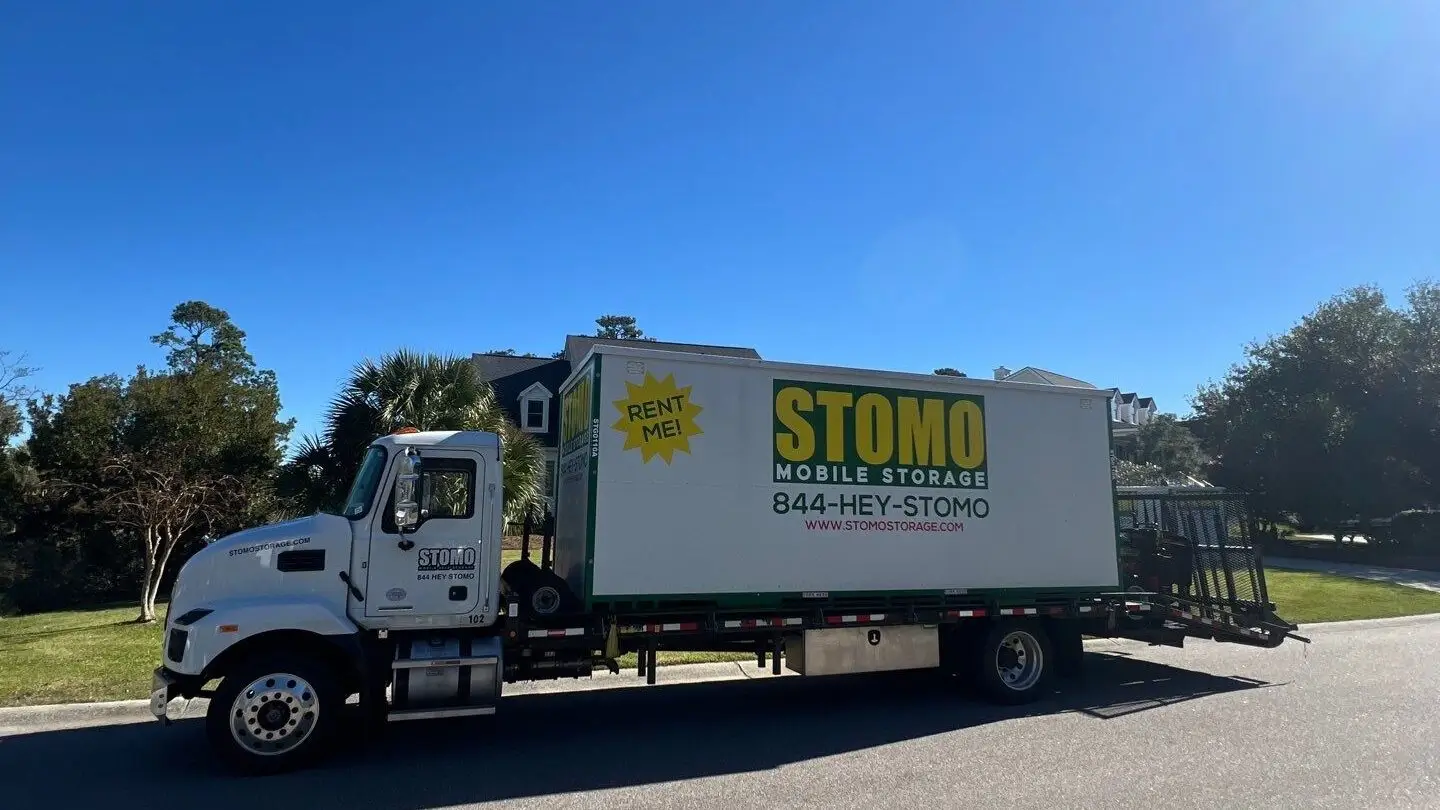
STOMO Storage delivers portable storage containers directly to your door before moving day. You can load what you are not ready to deal with yet, including furniture, seasonal gear, garage items, and overflow boxes, and leave the container in place until you are ready. There are no warehouse trips and no pressure to figure everything out in a single day. STOMO serves Charleston, Columbia, and Myrtle Beach, South Carolina. Get a free quote today and make your next move a lot less stressful.
Frequently Asked Questions
What is the hardest room to pack when moving?
The kitchen is generally the hardest room to pack. It has the most fragile items, the most awkwardly shaped cookware, and the largest number of small pieces to keep track of. Start with things you rarely use, like seasonal bakeware and specialty appliances, and save the daily essentials for last.
What food can you take when moving?
Non-perishable food is fine to move. Canned goods, sealed boxed items, dried pasta, spices, and cooking oils all travel well. Perishables like fresh produce, dairy, and frozen foods should be eaten, donated, or thrown out before moving day.
Can movers legally refuse to pack or move certain items?
Yes. Most professional moving companies follow a non-allowables list that includes hazardous materials, flammables, and certain chemicals. These restrictions exist to protect your belongings, the moving crew, and the truck itself.
What should I do with items I cannot move but do not want to throw away?
Donate them, sell them, or store them temporarily. If you need more time to decide, a portable storage container is a practical option. You can store furniture, seasonal items, or anything you are undecided about without rushing the decision or cluttering your new home.
About The Author